

Engaging in cardio exercises is a quick and effective way to boost your heart health! Cardio gets your blood pumping, strengthens your heart muscle, and improves overall circulation. Just a few minutes of activity can make a significant difference in reducing heart disease risk.
Regular cardio workouts help your heart become more efficient at pumping blood, lowering blood pressure, and reducing bad cholesterol levels. These benefits combine to keep your heart stronger and healthier, helping you stay active and energetic for years to come.
Feeling energized and protecting your heart might seem like separate goals, but cardio is the key to achieving both. Whether it’s walking, running, biking, or dancing, incorporating cardio into your daily routine can transform your heart health and overall well-being.

How Cardio Helps Your Heart
Understanding Cardio and Its Role in Heart Health
Cardio, short for cardiovascular exercise, includes activities like walking, running, cycling, and swimming. These exercises make your heart work harder, which strengthens it over time. A strong heart can pump blood more efficiently and helps prevent heart-related problems.
Engaging in regular cardio can also help keep your blood pressure in check. High blood pressure is a major risk factor for heart disease, so cardio exercises help manage and lower it naturally. Consistency is key—doing cardio a few times each week can make a big difference in your heart’s health.
How Cardio Improves Heart Function
Cardio workouts boost the strength of your heart muscles. When you exercise, your heart beats faster to pump more blood, which strengthens the muscles over time. This increased strength allows your heart to pump blood more effectively, even when you rest.
Regular cardio also improves the elasticity of your blood vessels. Flexible blood vessels help blood flow smoothly and prevent blockages. This reduces the chance of developing conditions like atherosclerosis, a disease characterized by plaque buildup in arteries.
Impact on Blood Circulation and Oxygen Supply
One of the main benefits of cardio is that it enhances blood circulation throughout your body. Better circulation means your organs and muscles receive more oxygen and nutrients. An improved oxygen supply supports overall health and boosts energy levels.
As you perform cardio regularly, your body creates more tiny blood vessels called capillaries. These help deliver oxygen-rich blood more efficiently to tissues and remove waste products faster. Improved circulation keeps your heart healthy and functioning well.
How Cardio Lowers Bad Cholesterol and Raises Good Cholesterol
Cardio exercise helps regulate your cholesterol levels. It lowers levels of low-density lipoprotein (LDL), often called ‘bad’ cholesterol, which can clog arteries. At the same time, it increases high-density lipoprotein (HDL), known as ‘good’ cholesterol, which helps remove bad cholesterol from your bloodstream.
A balanced cholesterol level reduces the risk of plaque formation in your arteries. This, in turn, decreases the chances of heart attacks and strokes. Maintaining healthy cholesterol levels through cardio is a simple way to support long-term heart health.
Role in Weight Management and Heart Disease Prevention
Carrying extra weight puts more pressure on your heart. Cardio exercises help burn calories and reduce body fat, especially around the belly area. Maintaining a healthy weight minimizes strain on your heart and lowers the risk of developing heart disease.
Losing weight through regular cardio also improves blood pressure, cholesterol, and blood sugar levels. These factors all contribute to better heart health and a lower chance of cardiovascular problems in the future.
Reducing Stress and Promoting Heart-Healthy Hormones
Stress can negatively impact your heart health by increasing blood pressure and hormone levels like cortisol. Cardio workouts help reduce stress by releasing endorphins—your body’s natural feel-good chemicals.
Engaging in physical activity regularly can improve your mood and decrease anxiety. When your stress levels are lower, your heart doesn’t have to work as hard to cope with stress-related changes, protecting it over time.
Enhancing Heart Endurance and Overall Fitness
Endurance refers to how long your heart can keep up with physical activity. Cardio improves this by gradually increasing your stamina. As your endurance improves, your heart becomes better at handling prolonged physical activity without fatigue.
This increased stamina benefits your daily life, making everyday tasks easier and reducing fatigue. It also means your heart can endure more intense activities safely, giving you greater overall fitness.
Cardio and Heart Disease Risk Factors
Regular cardio exercise can help manage risk factors like diabetes, high blood pressure, and obesity. Controlling these factors lowers the likelihood of developing heart disease later on.
By actively working on these risk factors, cardio plays a crucial role in preventing heart attacks and strokes. Incorporating cardio into your routine helps you stay ahead of potential health issues.
Choosing the Right Cardio Activities for Heart Health
Select activities that fit your fitness level and preferences. Walking, jogging, swimming, cycling, and dancing are all excellent options that get your heart pumping. Starting slow and gradually increasing intensity is important for safety and progress.
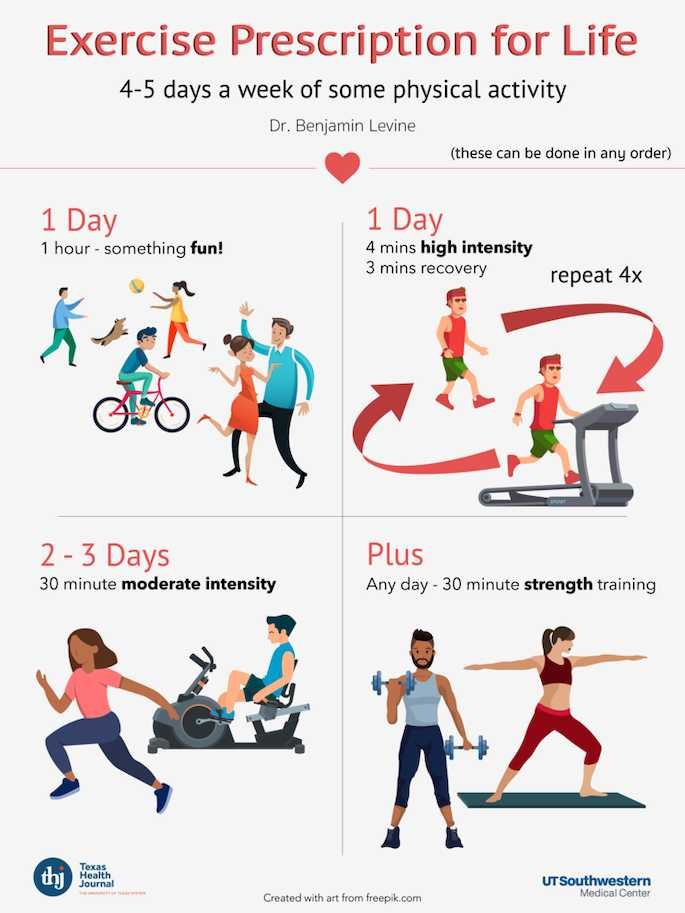
Aim for at least 150 minutes of moderate cardio or 75 minutes of vigorous activity each week. Consistency and variety keep your workouts engaging and effective.
Tips for Incorporating Cardio into Your Daily Routine
Incorporate small sessions of cardio throughout your day, like short walks or bike rides. Using stairs instead of elevators adds extra movement. Setting achievable goals keeps you motivated.
Tracking your progress can inspire you to stick with your routine. Remember, even 10-minute sessions count when it comes to improving your heart health.
Monitoring Your Heart Health During Cardio
Pay attention to how your body responds during exercise. If you experience chest pain, dizziness, or shortness of breath, stop and seek medical advice. Regular check-ups can help track your heart health and adjust your activity levels accordingly.
Using devices like heart rate monitors can help you stay within safe exercise zones. Keeping your heart rate in a healthy range ensures you gain benefits without overexerting yourself.
Summary of Key Points
- Cardio strengthens your heart muscles and improves blood vessel flexibility.
- Regular activity improves blood circulation and oxygen delivery.
- Cardio helps lower bad cholesterol and raises good cholesterol.
- This exercise aids in weight management and reduces heart disease risk factors.
- It also reduces stress and boosts mood through hormone regulation.
- Building endurance and fitness levels makes daily tasks easier and safer.
- Choosing enjoyable activities and gradually increasing intensity enhances results.
- Consistency and listening to your body are essential for long-term heart health.
Additional Related Topics
Diet and Exercise for Heart Health
Combining a healthy diet with regular cardio amplifies the benefits for your heart. Eating plenty of fruits, vegetables, and whole grains supports cardiovascular health.
Importance of Rest and Recovery
Giving your body time to recover is vital after cardio sessions. Proper rest prevents injuries and allows your heart and muscles to rebuild stronger.
Myth Busting: Cardio and Heart Health
Some believe only intense workouts are beneficial, but moderate, consistent cardio also offers significant health advantages. Finding activities you enjoy makes sticking to your routine easier.
Incorporating regular cardio into your life can make your heart stronger and healthier over time. Staying active is one of the best choices you can make for your long-term well-being.
Frequently Asked Questions
How does cardio improve the efficiency of your heart muscle?
Cardio exercises strengthen the heart muscle by increasing its endurance and capacity to pump blood efficiently. When you engage in regular aerobic activities, your heart becomes more adept at pushing blood with less effort, which leads to a healthier and more resilient cardiovascular system. Over time, this improved efficiency helps to lower the risk of heart-related conditions.
In what ways does cardio help regulate blood pressure?
Engaging in consistent cardio activity helps to keep your blood pressure within a healthy range by improving blood vessel flexibility and reducing resistance to blood flow. As your blood vessels become more elastic, your heart does not need to exert as much force to circulate blood, which can prevent or lower high blood pressure levels.
How does cardio contribute to maintaining healthy cholesterol levels?
Regular aerobic exercise increases the level of high-density lipoprotein (HDL) cholesterol, often known as the “good” cholesterol, while lowering low-density lipoprotein (LDL) cholesterol, or the “bad” cholesterol. This balance reduces plaque buildup in your arteries, supporting overall heart health and reducing the risk of heart disease.
Can cardio activities help reduce the risk of heart disease?
Yes, engaging in consistent cardio exercises lowers the chances of developing heart disease by improving various markers such as blood pressure, cholesterol levels, and overall cardiovascular endurance. These activities help prevent conditions like atherosclerosis and promote a healthier heart over time.
Final Thoughts
Cardio exercises strengthen your heart by increasing blood flow and improving circulation. This helps lower blood pressure and reduce stress on the heart. Over time, regular cardio boosts your heart’s efficiency and endurance.
Incorporating cardio into your routine can prevent heart disease and promote overall wellness. Remember, how cardio helps your heart remains vital for maintaining a healthy life.
As an Amazon Associate, We earn from qualifying purchases. When you purchase a product through Amazon links on pulsefitguide.com, we may earn a small commission at no extra cost to you. This helps support the site and keep our content free.