

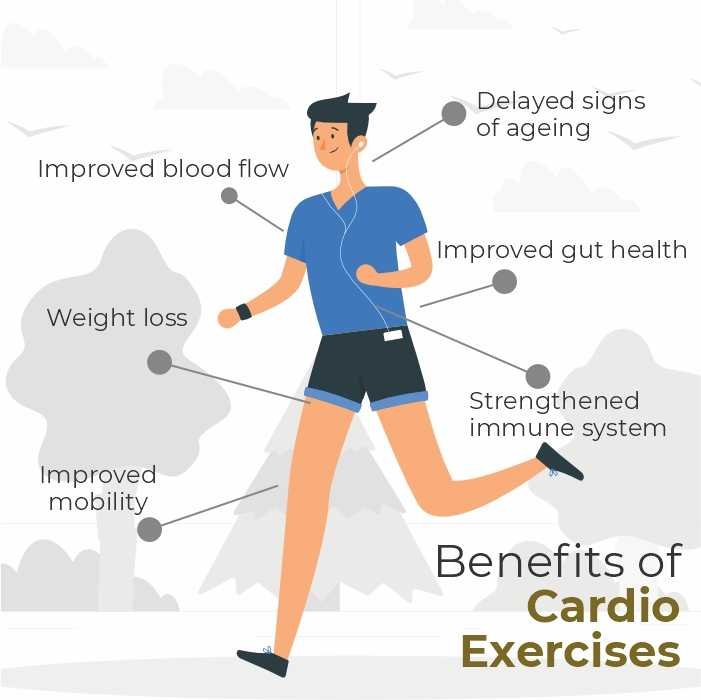
Cardio exercises boost your heart’s health by strengthening its muscles, improving blood flow, and reducing risks of heart disease. Regular cardio keeps your heart agile and efficient, making daily activities easier and more energetic. So, yes — cardio is a powerful way to protect and enhance your heart’s well-being.
Engaging in cardiovascular activities like walking, running, or cycling regularly can significantly benefit your heart. These exercises get your blood pumping, strengthen your heart muscle, and help maintain healthy cholesterol and blood pressure levels. By doing cardio consistently, you reduce your risk of heart-related illnesses, enhance your overall stamina, and promote a healthier, longer life. It’s a simple, enjoyable way to invest in your heart’s future and feel more vibrant every day.
When it comes to your heart health, cardio is like giving your heart a workout that pays off in countless ways. It not only reinforces the strength and efficiency of your cardiovascular system but also helps you manage weight, stress, and blood pressure—key factors in maintaining a healthy heart. Incorporating regular cardio into your routine is one of the most effective steps you can take to boost your heart’s resilience and enjoy a more active, healthy life.

How Cardio Helps the Heart
Understanding Cardiovascular Exercise
Cardiovascular exercise, commonly called cardio, involves activities that increase your heart rate and breathing. These exercises include walking, running, cycling, swimming, and dancing. They keep your heart working harder, which benefits your overall heart health.
Why Heart Health Matters
Your heart is a vital organ that pumps blood, oxygen, and nutrients throughout your body. Good heart health reduces the risk of heart problems like high blood pressure, heart attacks, and strokes. Maintaining a healthy heart can help you live longer and feel more energetic every day.
The Immediate Effects of Cardio on Your Heart
When you do cardio exercises, your heart beats faster to supply oxygen-rich blood to your muscles. This temporary boost helps strengthen your heart muscle over time. It also improves blood circulation, making your heart work more efficiently.
How Regular Cardio Lowers Blood Pressure
Consistent cardio activity helps lower high blood pressure by making blood vessels more flexible. This reduces the strain on your heart during each beat. Lower blood pressure means your heart doesn’t have to work as hard, decreasing the risk of damage.
Reducing Bad Cholesterol and Increasing Good Cholesterol
Cardio exercises can help lower low-density lipoprotein (LDL), known as bad cholesterol, and raise high-density lipoprotein (HDL), or good cholesterol. This balance prevents plaque buildup in arteries and promotes free blood flow.
Strengthening the Heart Muscle
Engaging in regular cardio causes the heart muscle to become stronger. A stronger heart can pump more blood with each beat, which means it requires less effort to circulate blood throughout your body. This efficiency is key to long-term cardiovascular health.
Managing Body Weight and Reducing Stress
Cardio helps burn calories, which aids in maintaining or losing weight. Excess weight can strain your heart, so keeping a healthy weight supports heart health. Additionally, cardio releases endorphins, reducing stress and lowering the risk of heart-related issues caused by chronic stress.
Improving Blood Sugar Levels
Regular aerobic activity helps cells respond better to insulin, reducing blood sugar levels. Better blood sugar control lowers the risk of developing diabetes, a significant factor in heart disease development.
The Role of Cardio in Preventing Heart Disease
Consistent cardio habits can prevent the development of heart disease by keeping blood vessels healthy and preventing blockages. It also helps control other risk factors like obesity, hypertension, and high cholesterol.
Enhancing Circulation and Vascular Health
Cardiovascular exercises promote the growth of new blood vessels and improve the elasticity of existing arteries. This enhanced circulation ensures that oxygen reaches tissues and organs more efficiently.
Cardio and Heart Recovery After a Problem
For those recovering from heart-related issues, supervised cardio can aid in rebuilding strength. It helps restore normal heart function and prevents future problems if done under medical guidance.
Integrating Cardio Into Daily Life
To gain maximum benefits, aim for at least 150 minutes of moderate-intensity cardio weekly. You can spread this out across the week in sessions lasting 30 minutes or more. Simple activities like brisk walking or cycling count.
Safety Tips for Cardio Practice
Always start slowly, especially if you’re new to exercise. Warm up before each session and cool down afterward. If you have existing health conditions, consult a healthcare professional before beginning a new cardio routine.
The Long-Term Impact of Cardio on Heart Health
Over time, consistent cardio leads to a healthier heart, lower risk of cardiovascular disease, and increased lifespan. It also boosts your overall well-being, energy levels, and mental health.
Practical Tips to Maximize Cardio Benefits
- Mix different types of cardio to prevent boredom and target different muscle groups.
- Maintain a balanced diet to complement your exercise routine.
- Stay hydrated before, during, and after workouts.
- Track your progress to stay motivated and set new goals.
- Listen to your body and avoid overexertion.
Related Topics to Explore
- How strength training supports heart health
- Mindfulness and breathing exercises for cardiovascular health
- Impact of diet on heart disease prevention
- Stress management techniques to protect your heart
By engaging in regular cardio activities, you effectively promote a healthy, strong, and efficient heart. These exercises not only improve your physical health but also boost your mental well-being, making them a vital part of a balanced lifestyle.
Frequently Asked Questions
How does regular cardio activity improve the efficiency of the heart’s pumping ability?
Engaging in consistent cardiovascular exercise strengthens the heart muscle, allowing it to pump blood more effectively with each beat. As the heart becomes stronger, it requires less effort to circulate blood throughout the body, which reduces overall strain and enhances oxygen delivery to tissues and organs. Over time, this increased efficiency helps maintain healthy blood pressure levels and supports overall cardiovascular health.
In what ways does cardio exercise help to lower blood pressure naturally?
Cardio workouts promote better blood flow and improve the elasticity of blood vessels. Regular activity causes blood vessels to relax and expand, reducing resistance to blood flow. This process helps to lower systolic and diastolic blood pressure readings naturally. Additionally, cardio helps control weight and reduces stress, both of which are important factors in managing blood pressure levels effectively.
How does engaging in cardio reduce the risk of developing heart-related conditions?
Consistent cardio activity helps manage weight, lower bad cholesterol levels, and improve blood circulation, all of which decrease the likelihood of developing conditions such as atherosclerosis and hypertension. It also enhances the body’s ability to regulate blood sugar levels, lowering the risk of diabetes, another major factor contributing to heart disease. These combined effects foster long-term heart health and reduce the chances of cardiac events.
Final Thoughts
Cardio exercises strengthen the heart muscle, making it more efficient at pumping blood. Regular cardio helps reduce blood pressure and improves circulation. It also lowers bad cholesterol levels, decreasing the risk of heart disease.
By increasing stamina, cardio enables the heart to work more effectively during daily activities. Over time, this can lead to a healthier cardiovascular system.
Concluding, how cardio helps heart by boosting heart strength and improving circulation can significantly lower heart-related health risks. Regular cardio is essential for maintaining a healthy heart and enhancing overall well-being.
As an Amazon Associate, We earn from qualifying purchases. When you purchase a product through Amazon links on pulsefitguide.com, we may earn a small commission at no extra cost to you. This helps support the site and keep our content free.