
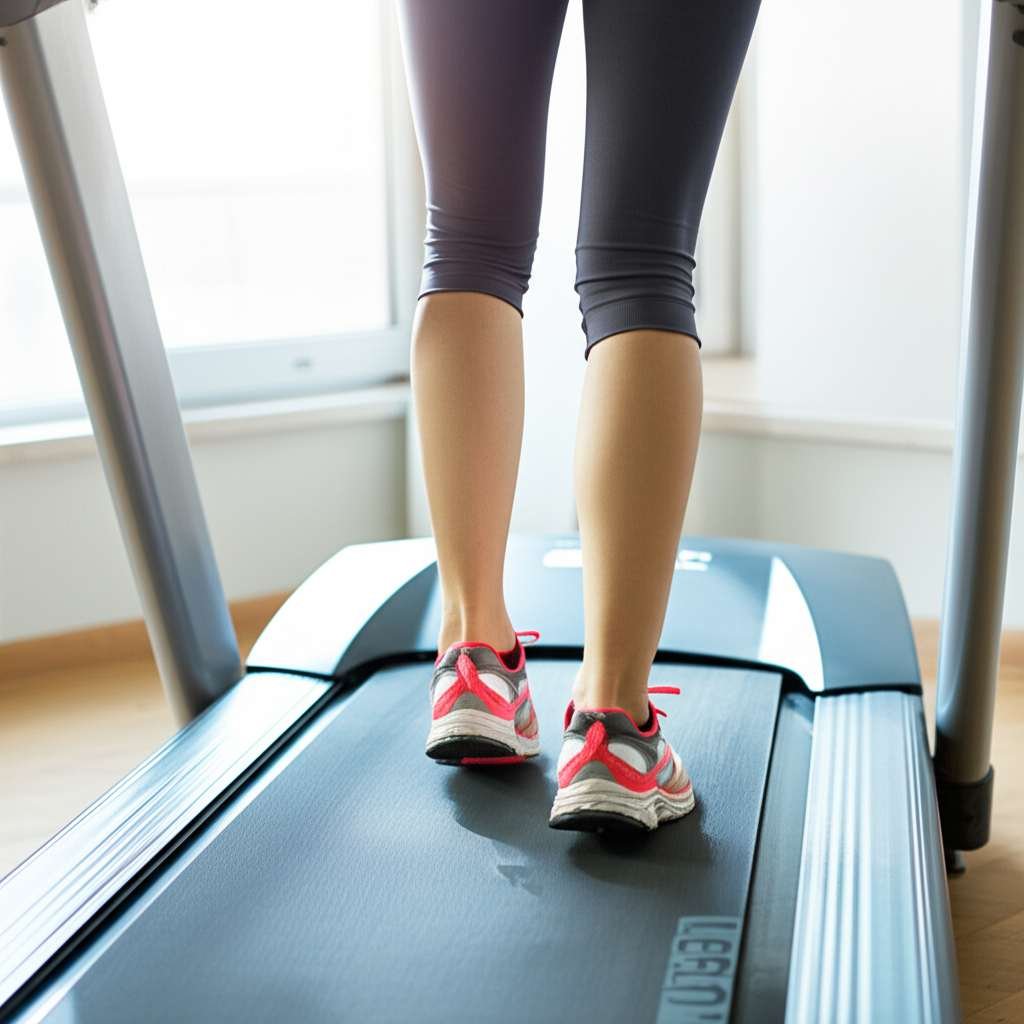
Yes, you can effectively lose weight by walking on a treadmill. This guide breaks down how to use it for effortless weight loss, focusing on simple strategies, consistent effort, and understanding the basics of calorie burning to achieve your goals.
Walking on a treadmill might seem simple, but it’s a powerful tool for weight loss. Many people find it confusing to know where to start or how to get the best results. You might feel unsure if just walking is enough.
This guide is designed for you. We’ll break down everything you need to know in easy steps. You’ll learn how to make your treadmill workouts effective and enjoyable, so you can see real progress without feeling overwhelmed.
Get ready to discover how this accessible fitness equipment can become your ally in shedding pounds and building a healthier lifestyle. Let’s get started on your weight loss journey!
Why the Treadmill is Your Weight Loss Friend
The treadmill offers a controlled environment that makes it super easy to focus on your workout and track your progress. It’s a fantastic option for beginners because you can adjust the speed and incline to match your fitness level, ensuring you’re always challenging yourself just enough.
Walking burns calories, and when you burn more calories than you consume, you lose weight. The treadmill allows you to consistently burn those calories, day after day, which is the key to seeing the numbers on the scale go down. It’s a straightforward, science-backed approach to weight loss.
Plus, it’s a low-impact exercise, which means it’s gentler on your joints than running. This makes it a sustainable choice for many people, especially those who might be new to exercise or have joint concerns.
Understanding the Basics: Calories In vs. Calories Out
Weight loss boils down to a simple principle: energy balance. Your body needs energy (calories) to function. You get this energy from the food and drinks you consume. You also burn energy through daily activities, exercise, and even just by breathing.
If you consume more calories than your body burns, the extra energy is stored as fat. If you burn more calories than you consume, your body taps into stored fat for energy, leading to weight loss. This is often referred to as a calorie deficit.
The U.S. Department of Health and Human Services suggests that a deficit of 500 to 1,000 calories per day can lead to a weight loss of about 1 to 2 pounds per week. This is a healthy and sustainable rate of weight loss.
Setting Up for Success: Your Treadmill Toolkit

Before you even step onto the treadmill, a little preparation goes a long way. Having the right gear and knowing a few basic things can make your experience much more comfortable and effective.
Essential Gear for Your Treadmill Walks
Having the right attire can make a big difference in comfort and performance. You don’t need anything fancy to start, but a few key items will enhance your experience.
- Comfortable Shoes: This is probably the most important item. Look for supportive athletic shoes designed for walking or running. They should fit well and provide good cushioning to protect your feet and joints.
- Breathable Workout Clothes: Opt for fabrics that wick away moisture, like polyester or nylon blends. This will help keep you cool and dry, preventing discomfort and chafing during your walk.
- Water Bottle: Staying hydrated is crucial, especially during exercise. Keep a water bottle nearby to sip from as needed.
- Towel: You might get a little sweaty, so having a small towel to wipe your brow can be a lifesaver.
Getting to Know Your Treadmill
Treadmills come with various features, but most have the basics you’ll need for a great workout. Familiarize yourself with these key controls:
- Start/Stop Buttons: These are straightforward – use them to begin and end your workout.
- Speed Controls (+/-): These buttons allow you to increase or decrease your walking pace.
- Incline Controls (+/-): These buttons adjust the angle of the treadmill belt, making your walk more challenging.
- Display Console: This screen shows important information like your speed, time, distance, calories burned, and heart rate (if your treadmill has sensors).
Your Step-by-Step Guide to Treadmill Weight Loss
Now that you’re prepped, let’s get to the good stuff: how to actually use the treadmill to lose weight. It’s all about consistency and gradually increasing the challenge.
Step 1: Start Slow and Steady
If you’re new to exercise, don’t jump into intense workouts right away. Your body needs time to adjust. Starting slow will help prevent injuries and build your confidence.
- Beginner Pace: Start with a brisk walking pace. This means walking fast enough that you can talk, but not sing. A pace of around 2.5 to 3.5 miles per hour (mph) is a good starting point for many.
- Zero Incline: Keep the incline at 0% for your first few sessions. Focus on getting comfortable with the movement and duration.
- Duration: Aim for 20-30 minutes for your initial workouts. Gradually increase this duration as you feel more comfortable.
Step 2: Gradually Increase Intensity
Once you can comfortably complete your initial workouts, it’s time to make them more challenging to continue burning calories effectively. The key is to make small, progressive changes.
- Increase Speed: Add 0.5 mph to your speed every week or two. Aim for a pace where you can still speak in short sentences but feel like you’re working.
- Introduce Incline: Start adding a slight incline, perhaps 1% or 2%. Gradually increase this over time. A higher incline burns more calories and works different leg muscles.
- Extend Duration: Add 5-10 minutes to your walking time each week. Longer workouts mean more calories burned.
Step 3: Incorporate Interval Training
Interval training is a fantastic way to boost calorie burn and improve your cardiovascular fitness. It involves alternating between periods of higher intensity and lower intensity.
- What it looks like: For example, you might walk at a brisk pace for 3 minutes, then increase your speed or incline for 1 minute, then return to your brisk pace for 3 minutes, and repeat.
- Benefits: This method can burn more calories in less time and can lead to a greater “afterburn effect,” where your body continues to burn calories at an elevated rate even after your workout is finished.
- How to do it: Start with short intervals of high intensity (30 seconds to 1 minute) and gradually increase the duration or intensity as you get fitter.
Step 4: Track Your Progress
Monitoring your progress is a huge motivator and helps you understand what’s working. Most treadmills have a display console that shows key metrics.
- Calories Burned: While not perfectly accurate, the treadmill’s calorie counter gives you a general idea of your energy expenditure. Aim to gradually increase this number over time.
- Distance and Time: Note how far you walk and for how long. Seeing your distance increase or your time improve for a set distance is a great sign of progress.
- Heart Rate: If your treadmill has heart rate sensors, use them. Aiming for a target heart rate zone can help ensure you’re exercising at an effective intensity for fat burning. A common target for moderate-intensity exercise is 50-70% of your maximum heart rate. You can estimate your maximum heart rate by subtracting your age from 220 (e.g., for a 30-year-old, max heart rate is 220 – 30 = 190 bpm).
Step 5: Consistency is Key
The most important factor for weight loss is consistency. Showing up regularly is more important than having perfect workouts every single time.
- Frequency: Aim to walk on the treadmill at least 3-5 times per week.
- Schedule it: Treat your treadmill workouts like any other important appointment. Put them in your calendar and stick to them.
- Listen to Your Body: Rest days are important too! If you feel sore or fatigued, take a break. Your body needs time to recover and rebuild.
Optimizing Your Treadmill Workouts for Maximum Weight Loss
Beyond the basic steps, there are several ways to fine-tune your treadmill routine to maximize calorie burn and support your weight loss goals.
The Power of Incline
Walking on an incline significantly increases the number of calories you burn compared to walking on a flat surface. It also engages your glutes, hamstrings, and calves more effectively.
- Gradual Progression: Start with a low incline (1-3%) and gradually increase it as you get stronger.
- Challenge Yourself: Aim to eventually work your way up to inclines of 5% or more for a significant calorie burn.
- Simulating Hills: Think of it as walking up a gentle hill. This makes your muscles work harder, burning more energy.
Varying Your Speed
Simply walking at the same pace every day can lead to a plateau. Introducing variations in speed keeps your body guessing and continues to challenge your metabolism.
- Fartlek-Style Walking: This is an unstructured approach where you randomly speed up or slow down for short bursts during your walk.
- Structured Intervals: As mentioned before, dedicated periods of faster walking interspersed with recovery periods are highly effective.
Adding Arm Movements
Don’t forget your upper body! Incorporating arm movements can increase your heart rate and burn additional calories.
- Swing Your Arms: Actively swing your arms back and forth in rhythm with your stride.
- Use Arm Bands or Weights (Optional): For an extra challenge, you can use very light hand weights or resistance bands while walking, but ensure this doesn’t compromise your form.
The Role of Heart Rate Zones
Exercising within specific heart rate zones can optimize fat burning. The “fat-burning zone” is generally considered to be around 50-70% of your maximum heart rate.
- Moderate Intensity: This zone allows you to sustain an activity for longer periods, which is ideal for burning fat.
- How to find it: Use your treadmill’s heart rate monitor or a fitness tracker. Remember the formula: 220 – age = estimated maximum heart rate. Calculate 50-70% of that number.
Beyond the Treadmill: Essential Habits for Weight Loss
While the treadmill is a powerful tool, remember that sustainable weight loss is a combination of exercise, diet, and lifestyle.
Nutrition: Fueling Your Weight Loss
You can’t out-exercise a bad diet. Focusing on what you eat is just as, if not more, important than your treadmill workouts.
- Whole Foods: Prioritize fruits, vegetables, lean proteins, and whole grains. These foods are nutrient-dense and help you feel full.
- Portion Control: Be mindful of how much you’re eating. Even healthy foods have calories.
- Hydration: Drink plenty of water throughout the day. Sometimes thirst can be mistaken for hunger. The Centers for Disease Control and Prevention (CDC) recommends drinking water regularly throughout the day to stay hydrated.
- Limit Processed Foods and Sugary Drinks: These often provide empty calories and can hinder your weight loss progress.
Sleep and Stress Management
These often-overlooked factors play a significant role in weight management.
- Adequate Sleep: Aim for 7-9 hours of quality sleep per night. Lack of sleep can disrupt hormones that regulate appetite, leading to increased cravings and weight gain.
- Stress Reduction: Chronic stress can also lead to hormonal imbalances that promote fat storage. Find healthy ways to manage stress, such as meditation, deep breathing exercises, or spending time in nature.
Making it a Lifestyle
Weight loss is not a temporary fix; it’s about adopting sustainable habits. Think of your treadmill walks and healthy eating as parts of a new lifestyle, not just a diet or exercise plan.
- Patience: Understand that weight loss takes time. Celebrate small victories and don’t get discouraged by occasional setbacks.
- Enjoyment: Find ways to make your treadmill workouts enjoyable. Listen to podcasts, music, or watch shows.
Sample Treadmill Walking Workout Plan
Here’s a sample plan to get you started. Remember to adjust it based on your current fitness level.
Week 1: Building the Foundation
- Frequency: 3-4 times per week
- Duration: 20-25 minutes
- Speed: Brisk walking pace (e.g., 2.5-3.0 mph)
- Incline: 0%
- Focus: Getting comfortable with the machine and establishing a routine.
Week 2-3: Increasing Duration and Intensity
- Frequency: 4 times per week
- Duration: 25-30 minutes
- Speed: Gradually increase to 3.0-3.5 mph
- Incline: Introduce 1-2% incline for the last 5-10 minutes.
- Focus: Building endurance and starting to challenge your muscles.
Week 4-6: Introducing Intervals and Higher Incline
- Frequency: 4-5 times per week
- Duration: 30-35 minutes
- Speed: Vary between brisk walking (3.0-3.5 mph) and a slightly faster pace (3.5-4.0 mph) for 1-minute intervals.
- Incline: Increase incline to 3-5% for parts of your walk, or use incline intervals (e.g., 3 minutes at 3% incline, 2 minutes at 5% incline).
- Focus: Boosting calorie burn and improving cardiovascular fitness.
Week 7+: Maintenance and Progression
- Frequency: 4-5 times per week
- Duration: 30-45 minutes
- Speed/Incline: Continue to vary speed and incline. You can increase your peak speeds and inclines, or try longer, more challenging interval sessions.
- Focus: Sustaining weight loss and continuing to build fitness.
Always listen to your body and adjust this plan as needed. If a particular week feels too challenging, repeat the previous week before moving on.
Understanding Treadmill Calorie Estimates
Treadmill calorie counters are estimates, not exact measurements. Several factors influence the actual calories you burn.
| Factor | How it Affects Calorie Burn |
|---|---|
| Body Weight | Heavier individuals burn more calories than lighter individuals at the same speed and duration. |
| Speed | Walking faster burns significantly more calories. |
| Incline | Walking uphill requires more effort and burns more calories. |
| Duration | Longer workouts burn more total calories. |
| Metabolism | Individual metabolic rates vary, affecting calorie expenditure. |
| Effort Level | Perceived exertion and actual heart rate can influence calorie burn. |
While these machines provide a useful benchmark, don’t become overly fixated on the exact number. Focus on the trend of increasing your workout intensity and duration over time, which indicates increased calorie expenditure.
Frequently Asked Questions About Treadmill Weight Loss
Q1: How long do I need to walk on the treadmill to lose weight?
To lose weight, you generally need to create a calorie deficit. Aim for at least 150 minutes of moderate-intensity aerobic activity per week, which can include brisk walking on a treadmill. For weight loss, you might need more, such as 200-300 minutes per week, combined with dietary changes.
Q2: Can I lose weight just by walking on the treadmill, or do I need to run?
You can absolutely lose weight by just walking on the treadmill! Walking is an effective calorie-burning activity, especially when you increase the speed and incline. Running burns more calories per minute, but walking allows you to exercise for longer periods and is lower impact, making it a great option for many.
Q3: How often should I use the treadmill for weight loss?
Consistency is key. Aim to use the treadmill at least 3-5 times per week. It’s better to have shorter, regular workouts than infrequent, very long ones. Listen to your body and include rest days.
Q4: What speed and incline should I use on the treadmill for weight loss?
Start with a brisk walking pace you can sustain (e.g., 2.5-3.5 mph) at a 0% incline. As you get fitter, gradually increase your speed and introduce inclines (start with 1-3% and build up). Varying your speed and incline, such as through interval training, is very effective for weight loss.
Q5: Is it okay to walk on the treadmill every day?
It’s generally recommended to include rest days to allow your body to recover. If you choose to walk every day, keep most of your walks at a moderate intensity and perhaps include one or two more challenging workouts per week. Active recovery, like a very light walk, can be beneficial on rest days.
Q6: How many calories can I burn walking on a treadmill?
The number of calories burned varies greatly depending on your weight, speed, incline, and duration. For example, a 155-pound person walking at 3.5 mph on a flat surface for 30 minutes might burn around 150 calories. Increasing the incline or speed can significantly increase this number.
Q7: What should I do if I get bored on the treadmill?
Boredom is common! Try listening to podcasts, audiobooks, or your favorite music playlists. Watch TV shows or movies (if your treadmill has a screen or you can set up a tablet). You can also switch up your workouts by incorporating different inclines and speeds, or even try a guided treadmill workout from an app.
Conclusion: Your Journey to a Healthier You
Losing weight with a treadmill is an achievable goal, and this guide has hopefully demystified the process for you. Remember, consistency is your best friend. By setting realistic goals, gradually increasing your intensity, and staying committed, you’ll be well on your way to seeing the results you desire.
Don’t forget that your treadmill workouts are most effective when paired with a balanced, healthy diet. Focus on nourishing your body with whole foods, staying hydrated, and getting enough sleep. These habits, combined with your regular treadmill sessions, create a powerful strategy for sustainable weight loss and improved overall health.
Celebrate your progress, no matter how small. Every step you take on that treadmill is a step towards a healthier, happier you. You’ve got this!
As an Amazon Associate, We earn from qualifying purchases. When you purchase a product through Amazon links on pulsefitguide.com, we may earn a small commission at no extra cost to you. This helps support the site and keep our content free.