

To keep your body’s pH balanced, your body uses a clever system of buffers and organs, like the kidneys and lungs, to regulate acidity and alkalinity. This delicate balancing act ensures your blood stays within a narrow pH range, vital for your overall health.
In short, your body maintains its pH through the use of buffer systems that neutralize excess acids or bases, and your kidneys and lungs work continuously to remove or adjust these substances. This active regulation keeps your blood slightly alkaline, around 7.35-7.45, which is essential for optimal enzyme function and overall health.
Maintaining the right pH level is crucial because an imbalance can lead to fatigue, digestive issues, or more severe health problems. Many factors, such as diet, hydration, and lifestyle, influence your body’s ability to stay in balance. The body’s natural mechanisms are incredibly efficient at this, but understanding how they work can help you support your health better.

How Does the Body Balance Its pH?
The human body constantly works to keep its pH levels in the right range to stay healthy. This balance mainly occurs in the blood, which needs to stay slightly alkaline with a pH between 7.35 and 7.45. Maintaining this delicate balance allows the body to function smoothly and keeps diseases at bay.
Understanding pH and Its Importance
pH measures how acidic or alkaline a solution is on a scale from 0 to 14. A pH below 7 is acidic, and above 7 is alkaline. The body’s blood needs to stay within its narrow pH range to ensure that enzymes and other biological processes work correctly.
If the pH goes outside this range, it can cause health problems. For example, high acidity (acidosis) or high alkalinity (alkalosis) can lead to symptoms like fatigue, confusion, or even severe health issues. The body has several systems to prevent this from happening.
The Body’s Main Systems for pH Regulation
The Respiratory System
The lungs play a vital role in controlling blood pH by regulating carbon dioxide (CO2) levels. When CO2 levels rise, the blood becomes more acidic. The lungs respond by increasing breathing rate, removing CO2 quickly.
The Renal System
The kidneys help keep pH stable by excreting hydrogen ions (H+) and reabsorbing bicarbonate (HCO3-). These processes help neutralize acids or bases in the blood, ensuring pH stays balanced over hours or days.
The Buffer Systems
Buffers are chemicals in the body that resist pH changes. They act quickly to neutralize excess acids or bases. The most important buffer system in blood is the bicarbonate buffer.
How Does the Bicarbonate Buffer System Work?
This system involves a reversible reaction between carbon dioxide, water, bicarbonate, and carbonic acid. When the blood becomes too acidic, bicarbonate binds with hydrogen ions to form carbonic acid, which can be broken down into water and CO2 for removal.
| Component | Function |
|---|---|
| Bicarbonate (HCO3-) | Acts as a base, neutralizing excess acids |
| Carbonic Acid (H2CO3) | Maintains pH stability by buffering acids and bases |
| Carbon Dioxide (CO2) | Excreted through lungs, influencing pH level |
Diet’s Role in Maintaining pH Balance
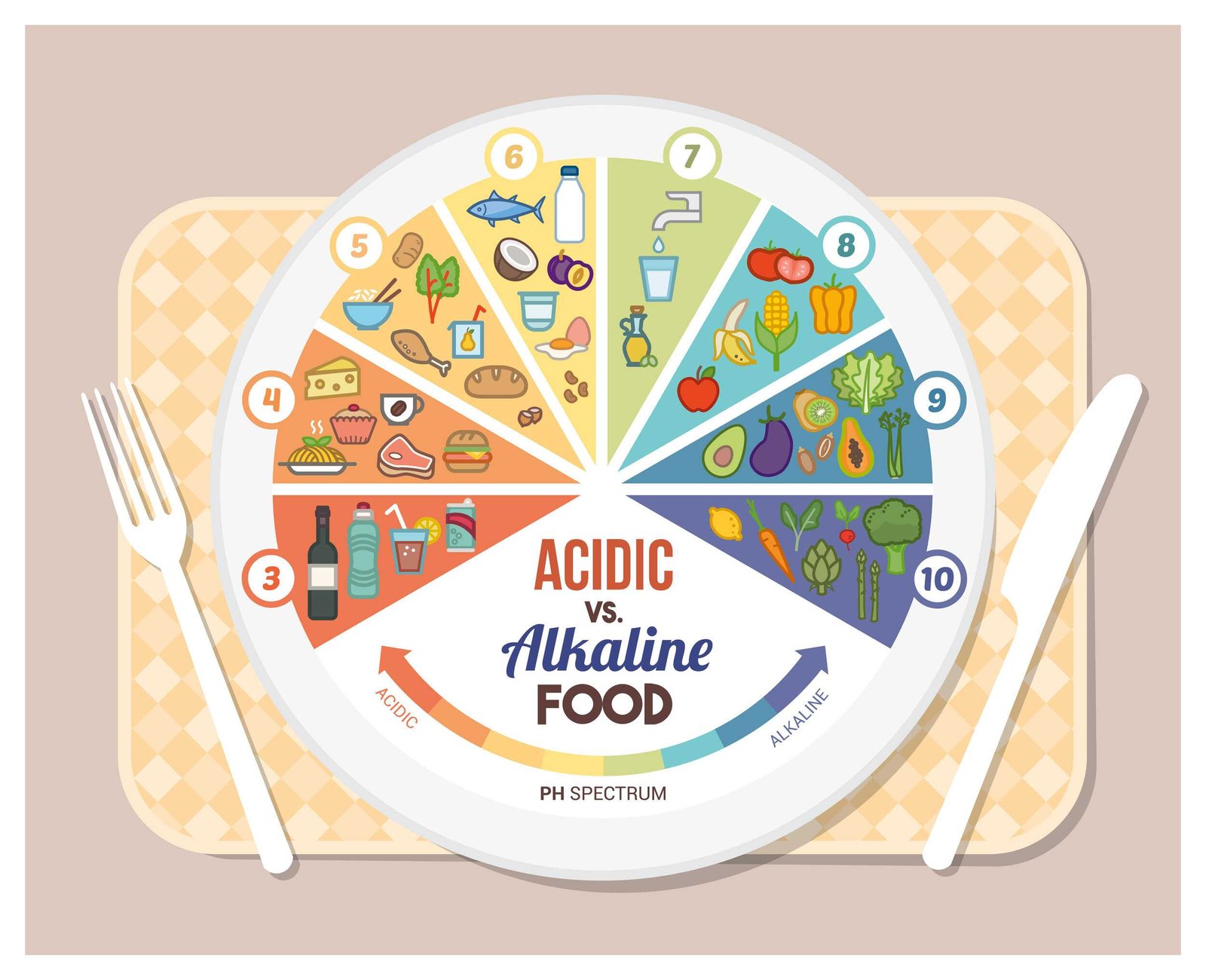
Alkaline vs. Acidic Foods
What you eat can influence how your body manages pH. Foods are classified as either alkaline or acidic based on their effect after digestion. Eating more alkaline foods can help maintain a healthy pH level.
- Alkaline foods include vegetables, fruits, nuts, and seeds.
- Acidic foods include processed meats, dairy products, sugary snacks, and sodas.
Benefits of an Alkaline Diet
Some research suggests that eating more alkaline foods can reduce inflammation and support overall health. A balanced diet rich in vegetables and fruits helps ensure your body stays within its optimal pH range.
Impact of Lifestyle and Environment
Hydration
Drinking enough water is crucial for pH regulation because water helps flush out acids and toxins. Adequate hydration supports kidney function, which is key to maintaining pH balance.
Exercise
Regular physical activity boosts circulation and respiration, helping the lungs and kidneys work efficiently to keep pH levels in check. However, intense exercise can temporarily increase acidity due to lactic acid buildup.
Stress Management
Chronic stress can disrupt pH regulation by increasing cortisol levels, which may lead to increased acid production. Practices like meditation, deep breathing, and adequate sleep support healthy pH balance.
Health Conditions That Affect pH Balance
Metabolic Acidosis
This condition occurs when the body produces too much acid or the kidneys cannot remove enough acid. Symptoms include rapid breathing, confusion, and fatigue. Causes may include kidney disease or uncontrolled diabetes.
Metabolic Alkalosis
This happens when there is too much bicarbonate in the blood, often due to vomiting or excessive use of diuretics. Symptoms include muscle twitching, nausea, and hand tremors.
Respiratory Disorders
Conditions like chronic obstructive pulmonary disease (COPD) can impair lung function, affecting CO2 removal and causing pH imbalances. Managing lung health is essential for pH control.
Tips to Support Your Body’s pH Balance
- Eat plenty of vegetables and fruits to favor alkalinity.
- Limit intake of processed foods and sugary drinks.
- Stay well-hydrated by drinking water throughout the day.
- Exercise regularly to promote healthy respiratory and renal function.
- Manage stress levels with relaxation techniques.
- Get regular health check-ups, especially if you have chronic health conditions.
Understanding how the body balances its pH helps you make better choices to stay healthy. Your lungs, kidneys, and buffer systems work together seamlessly to keep blood pH within a safe range. Incorporating a balanced diet, staying hydrated, and managing lifestyle factors all contribute to this delicate process. By supporting these systems, you can help your body maintain optimal pH levels and overall wellness.
Acid Base Balance, Animation.
Frequently Asked Questions
What mechanisms does the body use to regulate its pH levels?
The body maintains its pH balance primarily through buffer systems in the blood, such as the bicarbonate buffer. The lungs help regulate pH by controlling the level of carbon dioxide, which can affect acidity. The kidneys contribute by excreting excess hydrogen ions and reabsorbing bicarbonate, helping to sustain a stable pH over time.
How do diet and lifestyle influence the body’s ability to maintain pH balance?
Diet and lifestyle directly impact pH regulation by affecting acid and base levels in the body. Consuming a balanced diet rich in fruits and vegetables can promote alkalinity, while excessive intake of processed foods and meats may lead to increased acidity. Staying well-hydrated, exercising regularly, and avoiding excessive alcohol or caffeine help support the body’s natural pH balancing mechanisms.
What are the signs that indicate an imbalance in the body’s pH levels?
Symptoms of pH imbalance include fatigue, confusion, shortness of breath, and irregular heartbeat. Depending on the severity, you might experience muscle weakness or gastrointestinal issues. Persistent imbalance can lead to more serious conditions like acidosis or alkalosis, making it important to seek medical evaluation if symptoms arise.
Can certain health conditions affect the body’s capacity to regulate pH?
Yes, health conditions such as kidney disease, respiratory disorders, and diabetes can impair the body’s ability to regulate pH. These conditions disrupt normal buffering processes or alter the exchange of gases and electrolytes, leading to potential imbalances. Managing these health issues with medical guidance helps preserve proper pH levels.
Final Thoughts
The body maintains its pH balance through various mechanisms involving the lungs, kidneys, and buffer systems. These systems work together to neutralize excess acids or bases, keeping the pH within a narrow range. Proper hydration and a balanced diet support these processes.
Understanding how body balance its pH helps us make healthier lifestyle choices. Maintaining this balance ensures overall well-being and optimal functioning of bodily processes.
As an Amazon Associate, We earn from qualifying purchases. When you purchase a product through Amazon links on pulsefitguide.com, we may earn a small commission at no extra cost to you. This helps support the site and keep our content free.