

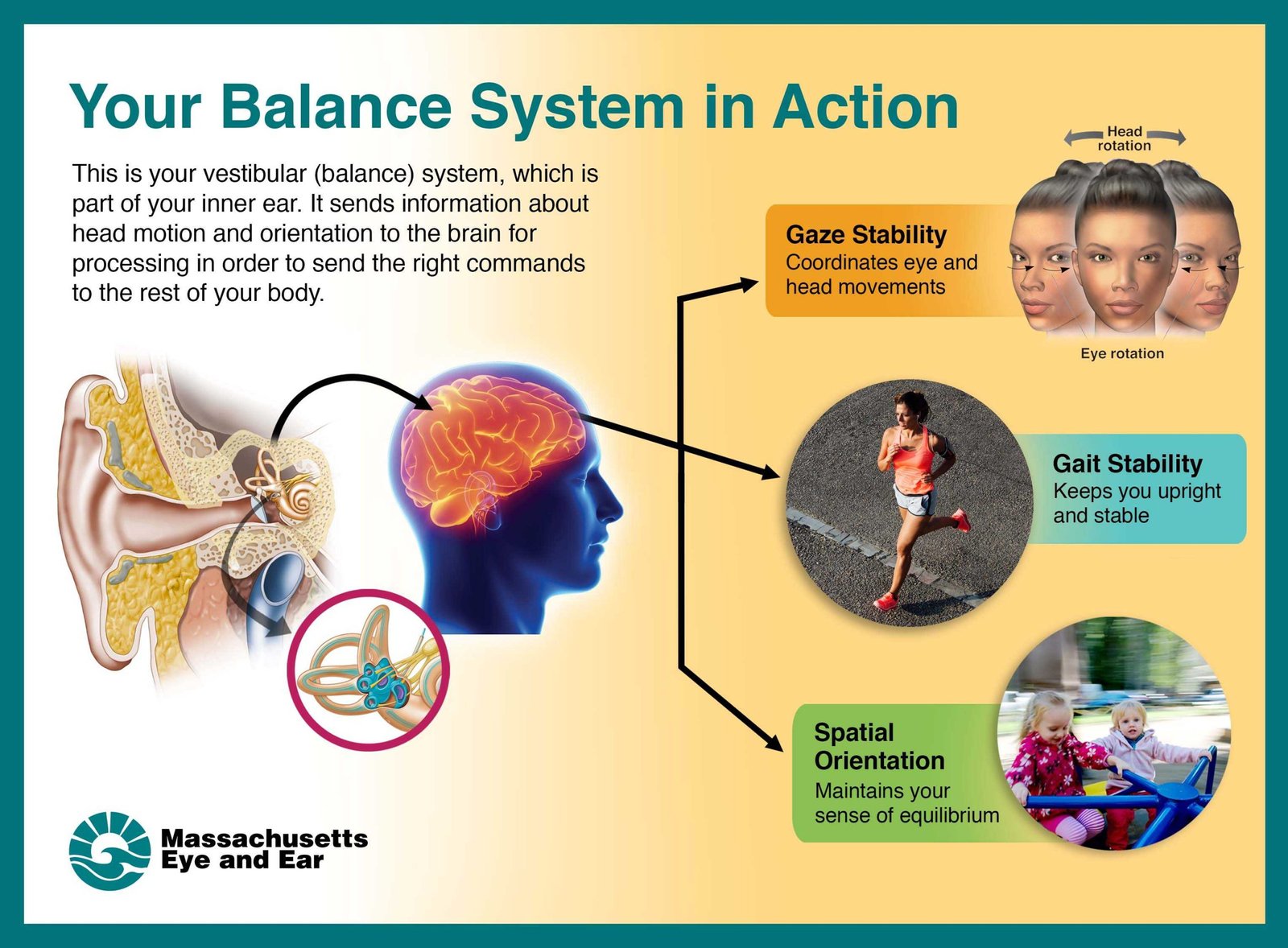
Maintaining body balance is like a finely tuned dance where your brain, muscles, and inner ear work together seamlessly. When you stand, walk, or even reach for something, your body constantly makes tiny adjustments to keep you upright and stable. The secret lies in a complex coordination system involving sensory input, brain processing, and muscular responses. Essentially, your body uses feedback from your eyes, inner ears, and muscles to stay balanced, even on uneven surfaces. In short, body balance is maintained through an intricate, real-time communication between your sensory organs and muscular system, constantly adapting to changes in your environment and movements. This dynamic process is what allows you to move confidently without falling, regardless of the situation.
Your body’s ability to stay balanced is a fascinating combination of sensory information, brain coordination, and muscular response that keeps you upright and steady. When you stand or move, tiny signals are sent from your eyes, inner ears, and muscles to your brain, which quickly processes this data and sends back precise commands to maintain your equilibrium. This harmonious system allows for fluid adjustments, whether you’re walking on a smooth floor or navigating rocky terrain. Understanding how these components work together highlights the remarkable resilience and adaptability of our bodies, making balance seem effortless even though it is actually a complex, coordinated effort happening in the blink of an eye.

How Body Balance Is Maintained
The Science Behind Balance
Maintaining balance is a complex process that involves the coordination between our eyes, inner ears, muscles, and joints. Our body constantly receives signals from these systems to keep us upright and steady. When all these signals work together smoothly, we can stand, walk, and move without falling.
The Role of the Vestibular System
The vestibular system, located in the inner ear, is essential for balance. It helps us detect changes in head position and movement. This system includes tiny structures called semicircular canals and otolith organs that send information to the brain about our body’s position in space.
How the Vestibular System Works
The semicircular canals detect rotational movements, such as turning your head. Otolith organs sense linear movements and gravitational pull, helping us know if we are upright or tilted. Together, they provide real-time data to the brain to adjust our posture.
The Importance of Vision
Our eyes give us visual cues about our environment. They help us judge distances and see obstacles, which is crucial for maintaining balance. When our vision is clear, the brain can more easily coordinate movements to stay steady.
Visual Cues and Balance
If you close your eyes or stand in a dark room, maintaining balance becomes more difficult. This shows how vital visual input is in keeping us upright. Good lighting and clear sightlines can improve balance, especially for those who experience balance problems.
The Role of Proprioception
Proprioception is the body’s ability to sense its position and movement through receptors in the muscles, tendons, and joints. It acts as an internal GPS, helping us adjust our posture and movements without consciously thinking about it.
Proprioceptors and Balance
Proprioceptors send signals to the brain about the position of limbs and joints during movement. For example, when you stand on one leg, these sensors help keep you stable. Strong proprioceptive feedback is key to quick adjustments and steady posture.
Muscular and Skeletal Contributions
Our muscles and bones form the framework that supports balance. Muscles adjust tension and coordinate movements to keep us upright. Bones provide the structure and leverage needed for stable posture and movement.
How Muscles Help Maintain Balance
Small muscles around the ankles, knees, and hips make constant adjustments to keep us balanced. When we shift our weight or stumble, these muscles react quickly to prevent falls. Strengthening these muscles can improve overall stability.
Balance Control Centers in the Brain
The cerebellum, part of the brain, plays a vital role in balance. It processes information from the vestibular system, eyes, and proprioceptors to coordinate muscular responses. When the cerebellum detects imbalance, it sends signals to correct it.
The Brain’s Role in Posture and Movement
The brain integrates data from multiple sources to create a clear picture of our body’s position. It then signals muscles to make necessary adjustments, enabling us to walk steadily or stand without wobbling.
How Balance Is Maintained During Movement
While standing still, maintaining balance is simpler. During walking or running, dynamic adjustments are essential. The body continuously makes rapid corrections to stay upright and move smoothly.
Balance During Dynamic Activities
For example, when you step onto uneven ground, your body quickly assesses the new surface. Your muscles adjust your posture to adapt to the terrain. This rapid response demonstrates the resilience of our balance system.
Factors That Affect Body Balance
Certain factors can disrupt body balance, such as age, health conditions, medications, and fatigue. Understanding these influences helps in taking steps to prevent falls and improve stability.
Age and Balance
As we age, our balance may decline due to weaker muscles, slower reflexes, and changes in the inner ear. Regular exercise and balance training can help maintain stability.
Health Conditions Impacting Balance
Conditions like Parkinson’s disease, stroke, or vestibular disorders can impair balance. Proper medical treatment and physical therapy are often necessary for improvement.
Effects of Medications and Fatigue
Some medications may cause dizziness or drowsiness, affecting balance. Similarly, tired muscles from fatigue are less responsive and more prone to imbalance.
Ways to Improve and Maintain Balance
Practicing balance exercises, staying physically active, and making lifestyle changes can significantly enhance stability. Regular activities target different aspects of the balance system.
Balance Exercises and Activities
Simple exercises like standing on one leg, heel-to-toe walks, and yoga help strengthen muscles and improve proprioception. Incorporate these into daily routines for better stability.
Strengthening Core Muscles
A strong core supports overall balance. Engage in activities like planks or abdominal exercises to enhance core stability, reducing the risk of falls.
Making Environmental Adjustments
Ensure your home has good lighting, clear pathways, and non-slip surfaces. These modifications can prevent falls and make it easier to maintain balance indoors and outdoors.
Technology and Balance Training
Advances in technology provide tools for balance assessment and training. Balance boards, virtual reality, and wearable devices can help identify weaknesses and track progress.
Balance Training Devices
Products like balance boards or stability balls challenge your muscles and improve proprioception. Use them regularly to enhance coordination and stability.
Virtual Reality and Apps
Some apps and VR systems offer balance exercises tailored to individual needs. They make training engaging and provide real-time feedback.
Understanding how body balance is maintained involves recognizing the complex interplay between inner ear function, visual input, proprioception, muscle action, and brain coordination. Maintaining balance requires ongoing interaction among these systems, which can be supported through regular exercises, proper health management, and environmental safety measures. By strengthening these aspects, you can improve your stability and reduce the risk of falls, ensuring better mobility and confidence in daily activities.
How Your Ears Help You Keep Your Balance
Frequently Asked Questions
How do the inner ear and brain work together to maintain balance?
The inner ear contains the vestibular system, which detects head movements and position changes. This system sends signals to the brain, helping it process information about balance. The brain integrates these signals with visual input and sensory feedback from muscles and joints, allowing the body to adjust posture and maintain stability during movement.
What role do muscle strength and coordination play in keeping the body balanced?
Strong and well-coordinated muscles support proper posture and enable controlled movements. When muscles work together smoothly, they help respond quickly to shifts in body position, preventing falls. Regular training of core and leg muscles enhances stability, making it easier to stay balanced during daily activities.
How does vision contribute to maintaining equilibrium?
Visual cues provide essential information about surroundings and body orientation. By constantly monitoring the environment, the eyes help the brain determine if the body is aligned correctly. Clear and stable vision allows quick adjustments in posture, especially when other sensory inputs are limited or inaccurate.
Why is proprioception important for balance, and how does it function?
Proprioception is the body’s ability to sense its position and movement through receptors in muscles, tendons, and joints. It informs the brain about limb location and body posture, enabling precise adjustments for balance. Enhanced proprioceptive feedback improves coordination and helps prevent loss of stability, particularly on uneven surfaces.
How does the central nervous system coordinate sensory information to maintain stability?
The central nervous system processes inputs from the vestibular system, visual system, and proprioceptors. It evaluates this information to generate appropriate motor responses, adjusting muscle activity and posture in real-time. This seamless coordination ensures smooth, immediate responses to maintain equilibrium during motion.
Final Thoughts
La body balance is maintenue grâce à l’interaction complexe entre le système vestibulaire, la vision et la proprioception. Ces éléments travaillent ensemble pour donner au corps une perception précise de sa position dans l’espace.
Les muscles et les articulations ajustent constamment leur effort pour garder cette stabilité. Une bonne coordination entre ces systèmes garantit une posture stable et évite les chutes.
En conclusion, comment body balance est maintenu repose sur cette synergie entre systèmes sensori-moteurs. Un équilibre optimal permet au corps de fonctionnner efficacement et en toute sécurité.
As an Amazon Associate, We earn from qualifying purchases. When you purchase a product through Amazon links on pulsefitguide.com, we may earn a small commission at no extra cost to you. This helps support the site and keep our content free.