

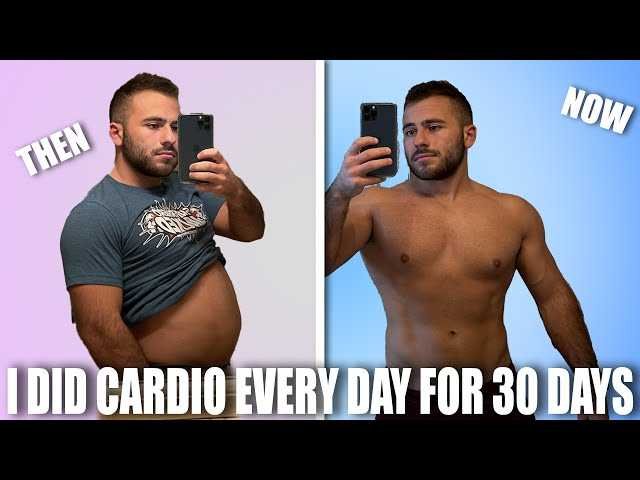
Pour des résultats optimaux, consacrez environ 30 à 45 minutes par jour à votre séance de cardio. Cela suffit pour brûler des calories, améliorer votre santé cardiovasculaire et booster votre énergie, sans risquer de surmenage. Bien que faire une heure de cardio chaque jour puisse sembler idéal, il est souvent plus efficace d’adopter une routine équilibrée qui inclut également du repos et d’autres formes d’exercice pour prévenir les blessures et maintenir votre motivation.
Voulant maximiser votre santé et votre forme physique, vous vous demandez peut-être combien de temps de cardio est réellement nécessaire chaque jour. La réponse dépend de vos objectifs, de votre niveau de forme et de votre emploi du temps. En général, 30 à 45 minutes de cardio quotidien suffisent pour profiter des nombreux bienfaits pour la santé tout en évitant la surcharge. Il est important d’écouter votre corps, de varier les activités et de ne pas négliger l’importance de la récupération pour une progression durable et saine.

An In-Depth Look at the Benefits and Considerations of an Hour of Cardio a Day
Understanding the Basics of Cardio Exercise
Cardio exercise involves activities that increase your heart rate and breathing. Examples include running, cycling, swimming, and brisk walking. Doing an hour of cardio each day can improve overall health and boost cardiovascular endurance.
Why Is An Hour of Cardio a Day Popular?
Many people choose to do one hour of cardio daily because it offers a balance between effective health benefits and manageable time commitment. It becomes easier to build consistency and see progress over time. With dedication, an hour of cardio can lead to significant health improvements.
Health Benefits of Doing an Hour of Cardio Daily
- Heart Health Improvement: Cardio helps strengthen the heart muscle, reducing the risk of heart disease.
- Weight Management: Burning calories during your workout helps in maintaining or losing weight.
- Enhanced Mood and Mental Health: Exercise releases endorphins, which can lift your spirits and reduce stress.
- Increased Energy Levels: Regular cardio boosts stamina, making daily activities easier.
- Better Sleep Quality: Consistent exercise helps regulate sleep patterns and improves rest.
How to Structure Your Hour of Cardio
Proper planning ensures you get the most out of each session. Consider dividing your hour into manageable segments based on your fitness level.
Sample Workout Breakdown
- Warm-Up (5-10 minutes): Light walking or slow cycling to prepare your body.
- Main Cardio Session (40-45 minutes): Moderate to vigorous activity like running or swimming.
- Cool-Down (5-10 minutes): Slow walking or stretching to help your body recover.
Choosing the Right Cardio Activities
Different activities offer various benefits and suit different preferences.
Popular Cardio Options
- Running or Jogging: Effective for burning calories and building stamina.
- Cycling: Low-impact exercise suitable for all fitness levels.
- Swimming: Full-body workout that is gentle on joints.
- Jump Rope: Short, high-intensity sessions boost cardio fitness quickly.
- Brisk Walking: Easy to do, especially for beginners or those with joint issues.
Monitoring Your Progress and Maintaining Motivation
Tracking your workouts helps stay motivated and see tangible results.
Tools for Monitoring
- Fitness Trackers: Devices that record steps, heart rate, and calories burned.
- Mobile Apps: Offer workout plans and progress logging.
- Heart Rate Monitors: Ensure you exercise within your target heart rate zone for maximum benefit.
Balancing Cardio with Other Fitness Elements
While cardio is important, integrating strength training and flexibility exercises creates a balanced routine.
Incorporating Strength Training
Adding strength workouts enhances muscle tone and improves metabolic health. Aim for two or three sessions weekly.
Flexibility and Stretching
Stretching exercises reduce injury risk and improve mobility. Incorporate stretching after cardio sessions.
Potential Challenges and How to Overcome Them
Consistency can be difficult, but planning and adjusting can make it easier.
Common Obstacles
- Lack of time: Schedule workouts at convenient times.
- Boredom: Vary activities or listen to music and podcasts.
- Plateaus: Increase intensity or try new activities to stay challenged.
Safety Tips for Your Hour of Cardio
Prioritize safety to prevent injuries and ensure effective workouts.
Important Safety Advice
- Start slow and gradually increase intensity.
- Wear appropriate footwear and gear.
- Stay hydrated before, during, and after exercise.
- Listen to your body; rest if you feel pain or extreme fatigue.
Adapting Your Routine for Different Goals
Your fitness goals influence how you structure your hour of cardio.
For Weight Loss
Focus on higher-intensity sessions and longer durations to maximize calorie burn.
For Endurance Building
Gradually increase workout intensity and incorporate longer sessions.
For General Health
Maintain moderate intensity and consistency for overall well-being.
Considerations for Different Age Groups
Age influences exercise choice and intensity.
Youth and Young Adults
Can handle higher intensity workouts, but should focus on proper technique to avoid injuries.
Middle-Aged Adults and Seniors
Choose low-impact activities like walking or swimming, and listen closely to the body’s signals.
Doing an hour of cardio daily offers many benefits, from improved heart health to better mood and weight management. Creating a balanced routine that includes variety, proper monitoring, and safety ensures long-term success. Remember, consistency and listening to your body are key to making your daily cardio sessions enjoyable and effective.
Frequently Asked Questions
How does an hour of cardio impact overall health?
Engaging in an hour of cardio daily can significantly improve cardiovascular health, boost lung capacity, and enhance circulation. It also helps regulate blood sugar levels, lower blood pressure, and increase stamina. Over time, consistent cardio can reduce the risk of chronic conditions such as heart disease and diabetes, contributing to a healthier and more energetic lifestyle.
What are some effective ways to incorporate an hour of cardio into a busy schedule?
To fit an hour of cardio into a busy routine, consider breaking it into shorter sessions throughout the day, like 20-minute workouts three times a day. Activities such as brisk walking during lunch breaks, cycling in the morning, or quick gym sessions can make it easier to meet your daily goal. Planning ahead and making it a non-negotiable part of your schedule will help maintain consistency.
Can doing cardio for an hour every day lead to overtraining or injury?
Doing an hour of cardio daily can pose risks if you don’t allow your body enough time to recover, especially if the intensity is high. To prevent overtraining, alternate between high and moderate intensity workouts, include rest days, and listen to your body’s signals. Incorporating strength training and stretching routines also supports recovery and reduces injury risk.
How does regular cardio influence mental well-being?
Consistent cardio exercises stimulate the release of endorphins, which enhance mood and reduce stress levels. It can also improve sleep quality, boost self-esteem, and increase mental clarity. Over time, maintaining a daily cardio routine helps establish a sense of discipline and accomplishment that benefits mental health.
What should I consider when gradually increasing my daily cardio duration?
Gradually increasing your cardio duration helps your body adapt safely. Start with manageable sessions and add time in small increments, such as 5 to 10 minutes each week. Pay attention to how your body responds, ensure proper hydration, and incorporate rest days to allow recovery. This approach minimizes injury risk and supports sustainable progress.
Final Thoughts
Aiming for an hour of cardio a day can significantly improve your health and stamina. It helps you burn calories, boost your energy, and enhance your mood. Incorporating regular cardio into your routine makes fitness an achievable goal. Stay consistent and enjoy the benefits of your efforts.
As an Amazon Associate, We earn from qualifying purchases. When you purchase a product through Amazon links on pulsefitguide.com, we may earn a small commission at no extra cost to you. This helps support the site and keep our content free.