

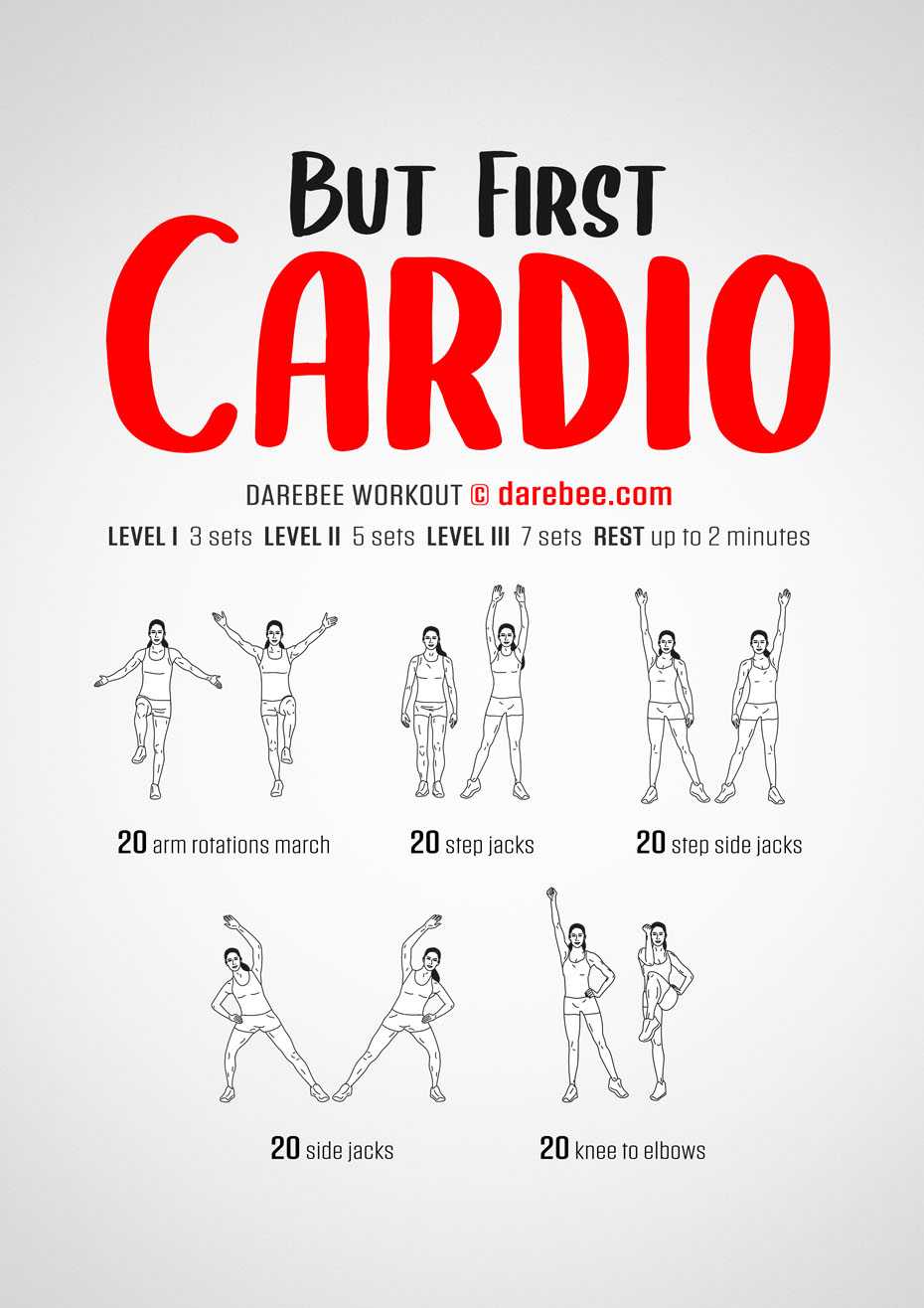
Looking to boost your fitness without leaving home? A well-structured home cardio program can help you burn calories, boost your energy, and improve your heart health—all from the comfort of your living room. The key is consistency and choosing the right exercises that fit your space and fitness level. Whether you’re short on time or equipment, there are effective routines you can do anytime.
A home cardio program can be simple yet effective, involving activities like jumping jacks, high knees, or brisk walking in place. Regularly committing to these exercises can deliver significant health benefits without the need for a gym membership or fancy equipment. With a little planning, you can stay active and healthy right at home!
Starting a home cardio routine is easier than you think and perfect for busy lifestyles. It requires minimal space and equipment but offers maximum health benefits. You can tailor your workouts to fit your schedule, gradually increasing intensity as your fitness improves. No excuses—just your body, some space, and a goal to stay fit!

Home Cardio Program: How to Boost Your Fitness at Home
Starting a **home cardio program** is a great way to stay active without leaving your house. It helps improve your heart health, boost energy levels, and burn calories effectively. Whether you are a beginner or have some experience, creating a plan tailored to your needs can make a big difference.
Understanding Cardio Exercise and Its Benefits
Cardio exercise, also known as aerobic activity, gets your heart pumping faster. It uses large muscle groups to increase blood flow, strengthen your heart, and improve lung capacity. Regular cardio workouts can help reduce the risk of chronic diseases like diabetes, high blood pressure, and obesity.
Some of the main benefits include improved endurance, better mood, weight loss, and increased energy. It also boosts your immune system and helps you sleep better at night. Making cardio a regular part of your daily routine can have long-lasting positive effects on your overall health.
Components of a Successful Home Cardio Program
Effective home cardio programs are simple, safe, and flexible. They incorporate different activities that keep you motivated and prevent boredom. Key components include duration, intensity, frequency, and variety.
Start with sessions of at least 20 to 30 minutes, three to five times a week. Gradually increase intensity by adding faster movements or longer sessions. Incorporate different exercises so your body works in various ways, preventing plateaus and injuries.
Types of Cardio Exercises You Can Do at Home
Many options are available, requiring minimal or no equipment. Here are some popular home cardio exercises:
- Jumping jacks: A classic move that involves jumping while spreading arms and legs.
- Burpees: Combining a squat, jump, and push-up, burpees are highly effective for full-body conditioning.
- Running in place: A simple way to increase your heart rate without moving anywhere.
- Skipping rope: An inexpensive tool that improves coordination and cardiovascular health.
- High knees: Running in place while lifting your knees as high as possible.
- Mountain climbers: A dynamic move that works your core and gets your blood flowing.
Designing Your Home Cardio Routine
Creating an effective workout plan involves selecting exercises you enjoy and setting realistic goals. Start with warm-up exercises like arm circles or marching in place to prepare your body. After warm-up, choose 3 to 4 cardio moves and perform them in intervals.
For example, do each exercise for 30 seconds, followed by a 15-second rest. Repeat the circuit 3 times for a 20-minute workout. End with cool-down stretches to relax your muscles and prevent soreness.
Sample Weekly Schedule
| Day | Workout Focus | Duration |
|---|---|---|
| Monday | Jumping jacks, high knees, mountain climbers | 30 minutes |
| Wednesday | Burpees, skipping rope, jogging in place | 30 minutes |
| Friday | Combination of all exercises, intervals, and rest | 30 minutes |
| Sunday | Light activity or rest day | Optional |
Tips for Staying Motivated and Consistent
Consistency is key for making progress in your home cardio program. Set specific, achievable goals like completing three workouts each week. Use apps or online videos to stay engaged and get new ideas.
Make workouts fun by playing your favorite music or exercising with a buddy via video calls. Track your progress with a journal or app, and celebrate your achievements no matter how small. Remember, every workout brings you closer to better health.
Equipment and Space Considerations
You don’t need a lot of equipment to start a cardio routine at home. A good pair of sneakers, a jump rope, and a comfortable space are enough to get going. Clear an area in your living room or basement where you can move freely.
If you want to add variety, consider investing in resistance bands or a mini stepper. Use a timer or interval app to keep your workouts structured and on track. Safety first—ensure your space is free of obstacles and that you wear proper footwear to prevent injuries.
Incorporating Lifestyle Changes for Better Results
Along with regular workouts, focus on maintaining a balanced diet rich in fruits, vegetables, and lean proteins. Staying hydrated during exercise is crucial for energy and recovery. Get enough sleep and manage stress to enhance your overall health and workout performance.
Small lifestyle changes, like taking the stairs or walking during breaks, can complement your home cardio program. Over time, these habits can lead to significant health improvements and sustained fitness levels.
Tracking Progress and Adjusting Your Program
Monitoring your workouts helps you stay motivated and see your progress. Keep a journal or use fitness apps to record duration, intensity, and how you felt. Every few weeks, evaluate your routine and make adjustments to keep challenging yourself.
If you notice your workouts becoming easier, increase the duration or intensity. Conversely, if you feel overly fatigued, scale back slightly. Consistent adjustment ensures your program remains effective, safe, and enjoyable.
Related Topics for a Complete Fitness Approach
A balanced home fitness plan includes strength training, flexibility exercises, and rest days. Incorporate stretching or yoga to improve flexibility and prevent injuries. Remember, a well-rounded approach helps you stay healthy and motivated in the long run.
Stay connected with online fitness communities or local groups for encouragement and accountability. This way, you can share tips, celebrate achievements, and stay committed to your health journey.
Frequently Asked Questions
What equipment do I need to start a home cardio routine?
For a basic home cardio program, you might only need comfortable workout clothes and a good pair of athletic shoes. If you want to enhance your workouts, consider adding items like a jump rope, a treadmill, stationary bike, or an exercise mat. These tools can help diversify your exercises and keep your routine engaging. However, many effective cardio exercises can be performed without any equipment at all, such as jumping jacks or high knees.
How should I structure my weekly home cardio workouts?
Aim to engage in cardio activities at least three to five times a week. Each session should last around 20 to 45 minutes, depending on your fitness level. Incorporate a mix of moderate-intensity exercises like brisk walking or cycling with high-intensity intervals such as sprinting or jumping rope. Make sure to include warm-up and cool-down periods to prevent injuries and promote recovery.
Can I modify home cardio exercises for different fitness levels?
Absolutely. Adjust the intensity, duration, and type of exercises based on your current fitness level. Beginners can start with low-impact activities like walking or gentle cycling, gradually increasing the intensity over time. More advanced individuals can add interval training or include exercises like burpees and mountain climbers to boost challenge. Listening to your body and progressing gradually helps prevent overexertion and injury.
What safety precautions should I take during home cardio workouts?
Ensure you have enough space to move freely and clear any obstacles that might cause injury. Warm up before starting your session to prepare your muscles, and cool down afterward to help recovery. Stay hydrated and avoid overexerting yourself, especially if you are new to exercise or have existing health conditions. If you experience pain or discomfort, stop exercising and consult a healthcare professional.
How can I keep motivated to stick with my home cardio program?
Set clear, achievable goals to stay focused and track your progress regularly. Mix different exercises to keep routines interesting and prevent boredom. Playing your favorite music or exercising with a friend or family member can add an element of fun and accountability. Remember to celebrate small achievements and be patient with your progress, maintaining consistency over time.
Final Thoughts
A well-designed home cardio program offers flexibility and convenience, making it easier to stay consistent. Incorporating simple exercises like jumping jacks, brisk walking, or cycling keeps workouts engaging and effective. Staying committed to your routine boosts both fitness and overall well-being.
Incorporating various activities ensures you target different muscle groups and prevent boredom. Consistency remains key to achieving your health goals.
A practical home cardio program provides lasting health benefits without the need for a gym. Stay motivated, and enjoy the process of becoming healthier and stronger.
As an Amazon Associate, We earn from qualifying purchases. When you purchase a product through Amazon links on pulsefitguide.com, we may earn a small commission at no extra cost to you. This helps support the site and keep our content free.