

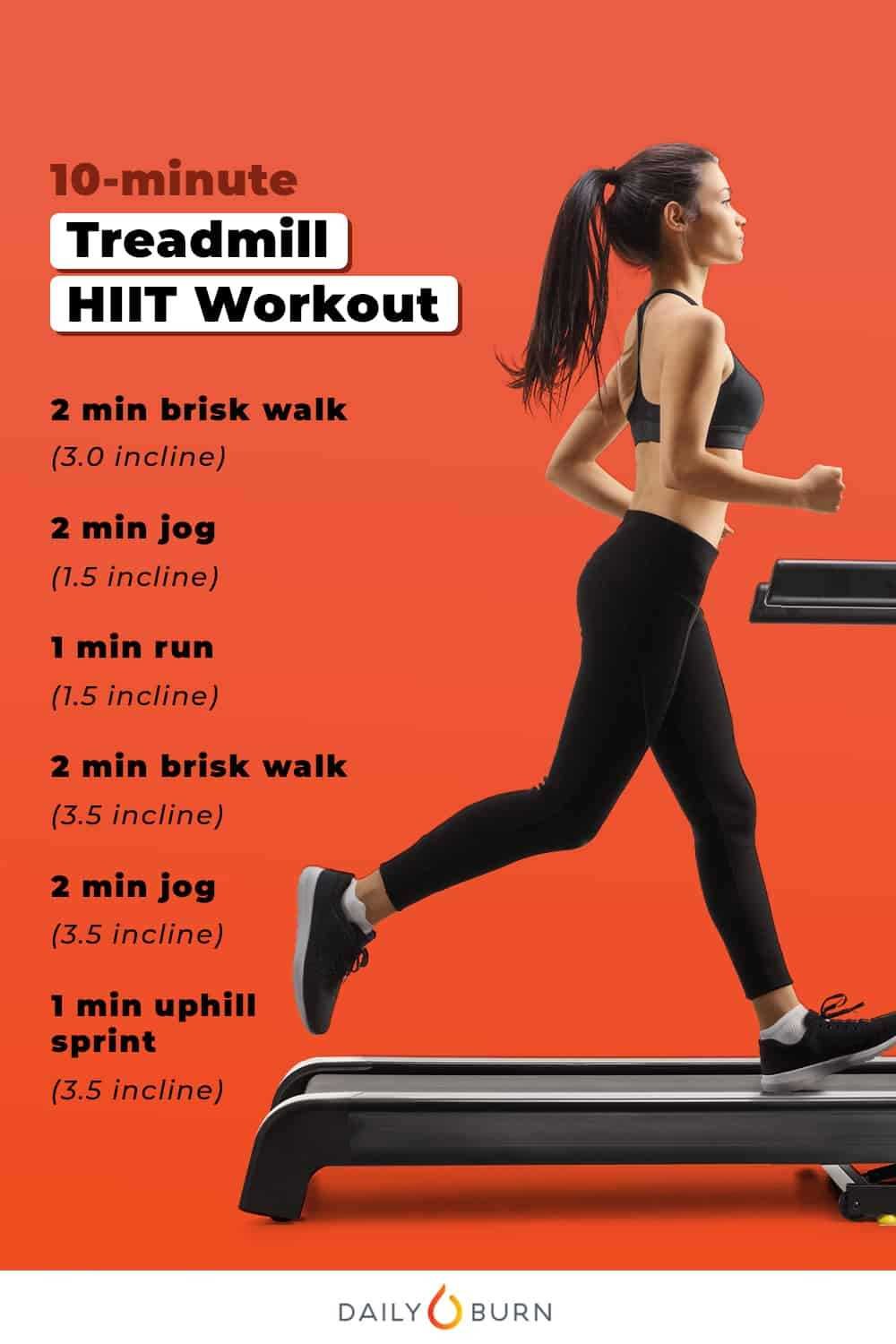
High-intensity interval training (HIIT) is one of the most efficient ways to boost your cardio fitness in a short amount of time. By alternating intense bursts of activity with brief recovery periods, you can burn more calories and improve your endurance faster than traditional steady-state workouts. The key is pushing your limits during those high-effort intervals while allowing just enough rest to prepare for the next round. This method not only saves time but also amps up your metabolism long after the workout ends. If you’re looking to shed fat, increase cardiovascular health, or simply shake up your routine, HIIT cardio offers a dynamic and effective solution. Whether you’re a beginner or experienced athlete, this adaptable training style can be tailored to fit your goals and schedule, making workouts both fun and impactful.
**In summary, high-intensity interval training cardio is a time-efficient workout that alternates intense activity with recovery periods, maximizing calorie burn and endurance. It’s suitable for all fitness levels and can be customized to suit individual goals, making it a popular choice for those seeking quick, effective results.**
Starting with HIIT cardio can seem intimidating, but it’s truly one of the most versatile and results-driven forms of exercise out there. Whether you’re aiming to lose weight, improve your heart health, or just add some variety to your fitness routine, embracing this high-energy training can lead to impressive gains in a shorter amount of time. The secret lies in your effort: pushing hard during intervals and resting just enough to recharge. This method keeps workouts exciting and effective, making it easier to stay committed and see progress. As you get accustomed to the rhythm, you’ll find it easier to incorporate HIIT into your weekly routine, unlocking new levels of fitness and performance.

High Intensity Interval Training Cardio: A Complete Guide to Boosting Fitness Fast
What Is High Intensity Interval Training Cardio?
High intensity interval training cardio, often called HIIT, is a workout method where you alternate between short bursts of intense activity and periods of rest or low activity. This approach maximizes calorie burn in less time compared to traditional steady-state cardio. It also improves both your aerobic and anaerobic capacity effectively.
The Core Principles of HIIT Cardio
In HIIT, the key ideas include pushing your body to near maximum effort during the high-intensity phases. These periods are usually between 20 seconds to 2 minutes long. Rest or low-intensity periods help your body recover just enough to perform the next intense burst. This cycle repeats multiple times during a workout.
Benefits of High Intensity Interval Training Cardio
First, HIIT burns more calories in less time, making it perfect for busy schedules. It also increases your metabolic rate even after you’ve finished exercising, a phenomenon called excess post-exercise oxygen consumption (EPOC). Additionally, HIIT improves cardiovascular health, enhances endurance, and helps with weight loss.
Another benefit is that HIIT can be tailored for all fitness levels. Whether you’re new to exercise or an experienced athlete, you can adjust the intensity and duration to match your abilities. Plus, HIIT workouts rarely require equipment, making them accessible anywhere.
Types of High Intensity Interval Training Cardio Exercises
Running and Sprinting
Running sprints involve all-out efforts for short distances or times, such as 100-meter sprints or 30-second all-out runs. Rest periods are crucial between sprints and can be active or complete rest.
Cycling Intervals
Cycling sprints can be performed on a stationary bike or road bike. Push the pedals as fast as possible for 20 to 30 seconds, then slow down or stop to recover.
Jump Rope
Jump rope is a high-intensity option that boosts coordination and stamina. Alternate between fast-paced jumps for 30 seconds and slow periods for recovery.
Bodyweight Exercises
Exercises like burpees, mountain climbers, jumping jacks, and squat jumps are great for HIIT. They require no equipment and target multiple muscle groups simultaneously.
Designing an Effective HIIT Workout
Creating a successful HIIT session involves selecting the right exercises, timing, and intensity. Start with warm-up exercises such as light jogging or dynamic stretching to prepare your muscles. Then, choose 3 to 6 exercises to perform in circuit style or as intervals.
Typical HIIT Routine Structure
- 20 seconds of high-intensity effort
- 10 seconds of rest or low effort
- Repeat for 4 to 8 rounds depending on fitness level
Always finish with a cool-down period including stretching to reduce muscle soreness and improve flexibility.
Interval Timing and Intensity
The duration of high-intensity efforts can vary based on your fitness. Beginners might start with 20 seconds of intense work followed by 40 seconds of rest. More advanced individuals might push for 45 seconds to 1 minute with equal or shorter recovery times. The goal is to reach at least 80% of your maximum effort during the high-intensity segments.
Safety Tips for HIIT Cardio
Always listen to your body and avoid overexertion. If you’re new to exercise or have health concerns, consult a healthcare professional before starting HIIT routines. Proper warm-up and cool-down are critical to prevent injuries. Use proper form during exercises and stay hydrated throughout.
Common Mistakes to Avoid
- Overtraining without recovery breaks
- Performing exercises with poor form
- Ignoring body signals like pain or dizziness
- Skipping warm-up or cool-down sessions
Focusing on gradual progression helps prevent injuries and improves your performance over time.
How to Incorporate HIIT Cardio into Your Fitness Routine
You can add HIIT to your weekly workout plan 2 to 3 times a week. Balance high-intensity sessions with lower-impact activities like walking or yoga for recovery. Consistency is essential; even short workouts yield significant benefits.
Equipment and Space Needed for HIIT
Most HIIT workouts require minimal equipment. A jump rope, a timer, and a flat space are enough for many routines. For running-based HIIT, access to a track or safe outdoor space works well.
Comparing HIIT to Traditional Cardio
Traditional cardio sessions last longer, typically 30 to 60 minutes of continuous activity at moderate intensity. HIIT provides similar or greater benefits in just 15 to 30 minutes by focusing on high effort levels. This makes HIIT a more time-efficient choice for many people.
Boosting Results with Nutrition and Recovery
Eating a balanced diet rich in lean proteins, healthy fats, and complex carbs supports muscle recovery and energy levels. Stay hydrated and get ample sleep to maximize your workout gains. Incorporating active recovery days helps prevent burnout and injuries.
Related Topics and Variations
- Tabata Training: A form of HIIT with 20 seconds work, 10 seconds rest, repeated for 4 minutes
- Fartlek Training: Unstructured speed play, mixing fast and slow efforts throughout a run
- Interval running programs tailored for beginners, intermediates, and advanced athletes
Experimenting with different HIIT styles can keep your workouts engaging and effective.
Tracking Your Progress
Use a stopwatch, fitness app, or journal to monitor your intervals and progress. Record the types of exercises, durations, and how you feel afterward to adjust your routine continually. Setting goals can motivate you to stay consistent.
High intensity interval training cardio offers a time-efficient, effective way to improve cardiovascular health, burn calories, and increase endurance. By choosing the right exercises, planning your intervals carefully, and listening to your body, you can make HIIT a valuable part of your fitness journey. Remember to start slow, stay consistent, and enjoy the energy boost that comes with each workout.
Frequently Asked Questions
What are the common mistakes to avoid during high intensity interval training sessions?
One common mistake is not warming up properly, which increases the risk of injury. Pushing too hard too quickly can also lead to burnout or strain. It’s important to maintain proper form throughout each interval and to allow adequate rest between sets. Overtraining without proper recovery can hinder progress and cause fatigue. Listening to your body and gradually increasing intensity helps prevent these issues.
How should I structure my workout to maximize benefits from high intensity interval training?
Start with a warm-up of 5 to 10 minutes to prepare your muscles. Incorporate alternating periods of high-intensity effort, such as sprinting or fast cycling, with recovery or low-intensity phases. For example, alternate 30 seconds of intense activity with 1 minute of rest or light activity. Keep workouts between 15 to 30 minutes to maintain quality and avoid fatigue. Cool down with stretching to enhance recovery.
Can high intensity interval training cardio help with weight loss effectively?
Yes, high intensity interval training can significantly aid weight loss because it burns a substantial number of calories in a shorter period and boosts metabolic rate even after the session ends. This method promotes fat burning while preserving muscle mass. Consistency and combining HIIT with a balanced diet improve overall results and support sustainable weight management.
How frequently should I include high intensity interval training in my fitness routine?
Integrate HIIT into your workout 2 to 3 times per week to allow sufficient recovery time for your muscles. Avoid doing it on consecutive days to prevent overtraining and injury. On off days, focus on lower-intensity activities like walking or stretching. Adjust the frequency based on your fitness level and how your body responds to the training.
Is high intensity interval training suitable for beginners or people with health conditions?
Beginners should start slowly, focusing on lighter efforts and longer rest periods to build endurance safely. It’s advisable to consult a healthcare professional before beginning HIIT, especially if you have existing health conditions. Starting with modified or low-impact versions of HIIT exercises can reduce injury risk and help you adapt gradually to this training style.
Final Thoughts
High intensity interval training cardio offers an efficient way to improve cardiovascular health and burn calories in less time. It involves alternating intense bursts with short recovery periods, making workouts dynamic and engaging. This method boosts metabolism and enhances endurance quickly. Incorporating high intensity interval training cardio into your routine can lead to faster fitness results and increased motivation.
As an Amazon Associate, We earn from qualifying purchases. When you purchase a product through Amazon links on pulsefitguide.com, we may earn a small commission at no extra cost to you. This helps support the site and keep our content free.