

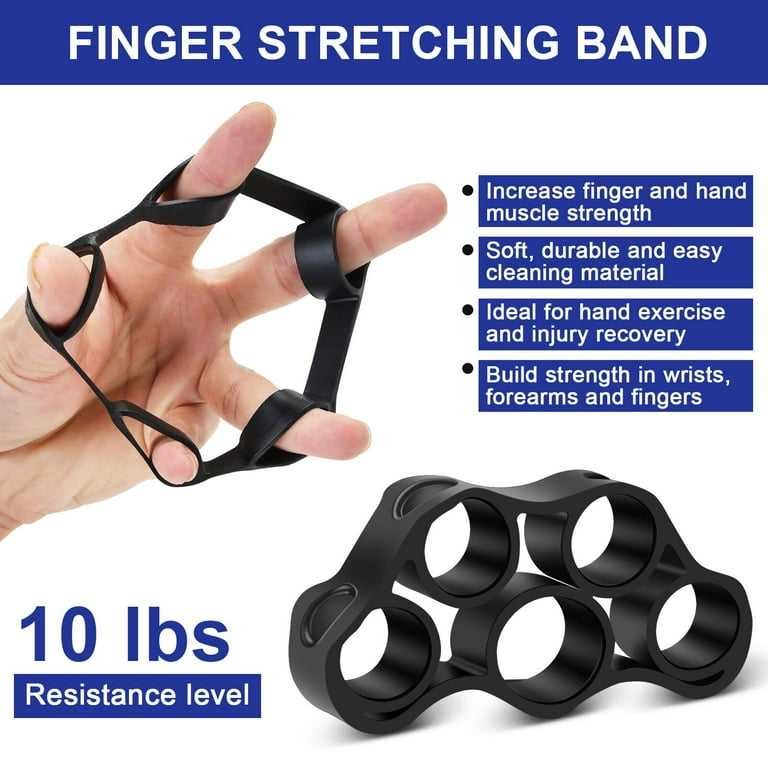
A grip strength trainer or hand exerciser can quickly boost your grip power, making daily tasks and workouts easier. These simple yet effective tools are perfect for anyone looking to improve hand strength, prevent injuries, or enhance athletic performance. Using a grip trainer regularly can lead to stronger fingers, forearms, and overall hand dexterity, whether you’re an athlete, musician, or someone recovering from hand injuries. The key is incorporating these easy-to-use devices into your routine consistently for noticeable results. Investing in a quality hand exerciser not only helps build strength but also supports long-term hand health and functionality.
If you’re looking for an effective way to enhance your grip strength, a grip trainer or hand exerciser is your best bet. These devices are convenient, affordable, and versatile, making them ideal for quick workouts anywhere. By adding hand exercises to your regular fitness regimen, you’ll see improvements in strength, endurance, and overall hand health, opening new opportunities for sports, daily tasks, and rehabilitation. Whether beginner or advanced, there’s a suitable grip trainer for everyone aiming for stronger, more resilient hands.

Grip Strength Trainer or Hand Exerciser: A Complete Guide
Understanding Grip Strength and Its Importance
Grip strength measures how firmly you can squeeze. Strong grip is essential for daily tasks like opening jars or carrying groceries. It’s also vital for athletes, musicians, and anyone who uses their hands often.
Maintaining good grip helps prevent injuries. Weak grip can cause hand pain and reduce overall hand functionality. Regularly exercising your hands can boost strength and improve dexterity.
Benefits of Using a Grip Strength Trainer or Hand Exerciser
- Enhances overall hand strength, making everyday tasks easier.
- Improves finger dexterity and coordination.
- Prevents hand and wrist injuries by strengthening muscles and tendons.
- Supports recovery from hand injuries or surgeries.
- Increases grip endurance for sports like rock climbing, tennis, or weightlifting.
Types of Grip Strength Trainers and Hand Exercisers
Hand Grippers
These are the most common and versatile. They come in various resistance levels, from light to heavy. Hand grippers are portable, easy to use, and fit well into a fitness routine.
Squeeze Balls
Squeeze balls are soft, squishy, and excellent for rehabilitation. They come in different stress levels and are great for improving hand flexibility and strength.
Finger Exercisers
These devices target individual fingers or the hand as a whole. They often have multiple bars for resistance, helping improve finger independence and strength.
Wrist Rollers and Hand Extenders
Designed to strengthen forearms and wrist muscles, these tools complement grip training. They provide a full-arm workout and help prevent wrist injuries.
How to Choose the Best Grip Trainer or Hand Exerciser
Consider resistance levels, comfort, size, and durability.
– Resistance: Choose a device that matches your current strength and goals. Beginners should start with low resistance, gradually increasing intensity.
– Comfort: Look for ergonomic designs with soft grips to prevent hand fatigue.
– Size: Opt for compact models that are portable and easy to carry around.
– Durability: Invest in high-quality materials like metal or reinforced plastic for long-lasting use.
Effective Grip Training Techniques
Basic Exercises
Begin with squeezing the device for 3 to 5 seconds, then releasing. Repeat for 10 to 15 repetitions daily. Focus on controlled movements and proper form.
Progressive Overload
Increase resistance gradually over time. If using adjustable grippers, move to higher resistance levels as your strength improves.
Specific Hand Workouts
Incorporate exercises like finger stretches, thumb presses, or finger lifts to target different parts of your hand muscles. Use grip trainers in combination with other hand exercises for balanced development.
Integrating Grip Training into Your Routine
Perform grip exercises at least 3 times weekly. Include them after your regular workouts or as part of a dedicated hand-training session. Consistency is key to seeing improvements.
Common Mistakes and How to Avoid Them
- Overtraining, which can cause hand fatigue or injuries. Rest between sessions.
- Using resistance that’s too high too soon, leading to strain. Gradually increase the difficulty.
- Ignoring proper form, which reduces effectiveness and risks injury. Maintain controlled, even squeezes.
Additional Tips for Better Grip Strength
- Pair grip training with overall strength exercises like weightlifting and core workouts.
- Maintain flexibility by stretching your hands and fingers regularly.
- Eat a balanced diet rich in proteins, vitamins, and minerals to support muscle growth.
Related Topics to Enhance Your Hand and Grip Training
Wrist and Forearm Exercises
Strengthening wrists and forearms complements grip training. Use wrist curls or forearm planks to enhance overall hand strength.
Hand Care and Injury Prevention
Proper warm-up and cool-down protocols reduce injury risk. Use ice or massage if you feel any pain or discomfort.
Rehabilitation Programs
Hand exercisers are often used in rehab settings. Follow professional guidance when recovering from injuries or surgeries.
Popular Brands and Models
Some trusted brands include Gripmaster, Triscuit, and Wimo. Choose models based on resistance levels, reviews, and price range.
Using a grip strength trainer or hand exerciser provides numerous benefits for your hand health and overall strength. Whether you’re an athlete, musician, or someone wanting to improve daily hand tasks, integrating these tools into your routine can make a noticeable difference. Select the right device, follow effective training techniques, and stay consistent for best results. Remember, building grip strength takes time but pays off with stronger hands and better performance in many activities.
grip trainers – unsponsored review
Frequently Asked Questions
What are the benefits of using a hand exerciser for daily activities?
Using a hand exerciser enhances grip strength, which can improve performance in daily tasks such as opening jars, carrying groceries, or using tools. Regular use can also increase finger dexterity and reduce the risk of hand fatigue or strain during repetitive motions. Additionally, strengthening hand muscles supports joint stability and can help prevent injuries over time.
How can I choose the right resistance level for my hand trainer?
Select a resistance level that challenges your muscles without causing discomfort. Beginners should start with low to moderate resistance to build endurance gradually. As your strength improves, progressively increase the resistance to continue developing muscle power. Many hand trainers come with adjustable settings, allowing you to customize the difficulty according to your progress.
Are there specific exercises I can do with a grip strength trainer to target different parts of my hand?
Yes, you can perform various exercises to target different hand muscles. Squeezing the device improves overall grip strength, while performing finger extensions and extensions with resistance can strengthen individual fingers. Incorporating these exercises in your routine helps improve fine motor skills and hand coordination, providing comprehensive benefits for your hand health.
How often should I use a hand exerciser to see noticeable improvements?
For optimal results, aim to use your hand exerciser about three to five times a week. Each session should last around 10 to 15 minutes, allowing your muscles to recover between workouts. Consistency is key to making steady progress, but avoid overtraining to prevent discomfort or injury.
Can using a hand exerciser help in injury recovery or rehabilitation?
Using a hand exerciser can support recovery by gradually rebuilding strength and flexibility in the hand and fingers after injury. However, it is essential to follow your healthcare provider’s advice and start with gentle exercises. Proper use can aid in restoring function and prevent future issues, but avoiding overexertion remains crucial during rehabilitation.
Final Thoughts
A grip strength trainer or hand exerciser offers an effective way to enhance hand and forearm strength. Regular use can improve grip, boost performance in sports, and support daily activities. Its convenience and versatility make it suitable for all fitness levels. Investing in one helps maintain hand health and increases overall physical resilience.
As an Amazon Associate, We earn from qualifying purchases. When you purchase a product through Amazon links on pulsefitguide.com, we may earn a small commission at no extra cost to you. This helps support the site and keep our content free.