

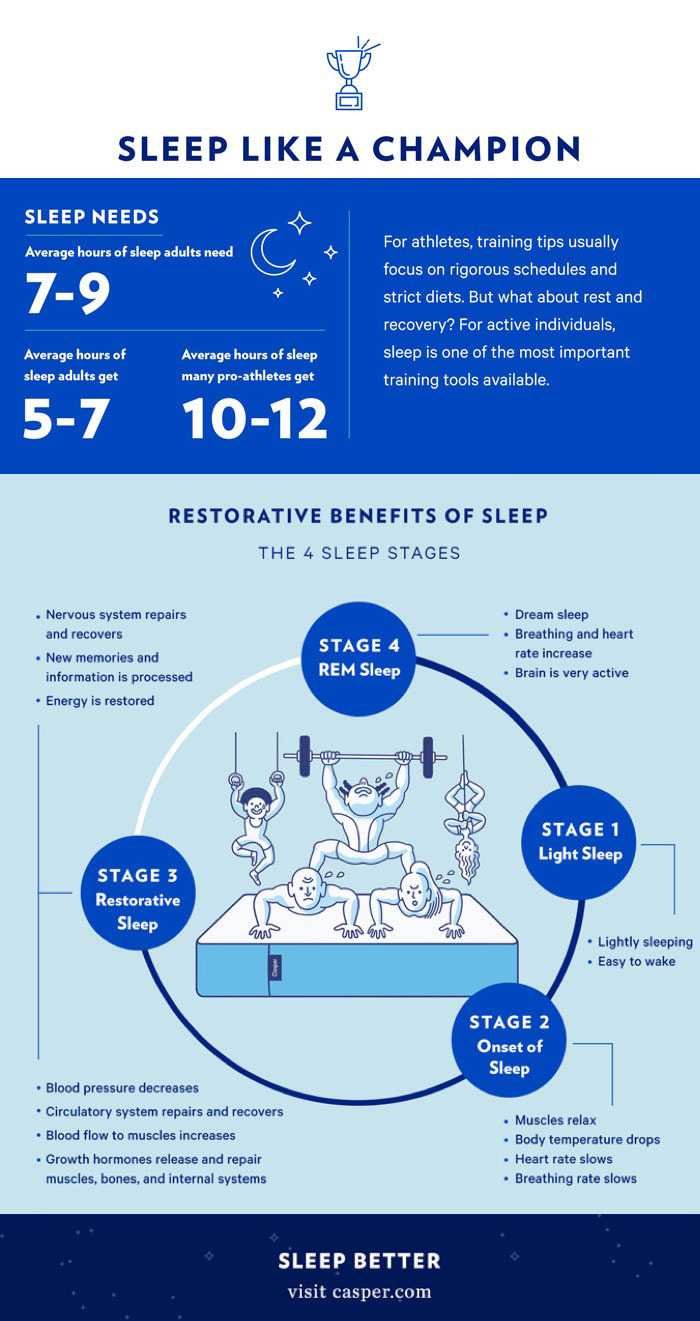
Getting enough sleep is essential for optimal muscle recovery and growth. Without proper rest, your muscles can’t fully repair themselves, which can hinder your progress and increase the risk of injury. The good news is, just by prioritizing quality sleep, you can boost your muscle repair process and enhance your overall fitness results. A restful night helps your body produce the necessary hormones and repair tissues, making your workouts more effective and your recovery quicker.
Getting enough sleep is crucial for muscle repair because it supports hormone production and cellular regeneration. During deep sleep, growth hormone is released, which is vital for repairing muscle tissue and building strength. Adequate rest also reduces inflammation and fatigue, helping you bounce back faster from intense training sessions.
When it comes to repairing muscles and maximizing your training efforts, sleep is often overlooked but incredibly powerful. By ensuring you get quality, uninterrupted sleep each night, you allow your body to restore energy, repair muscle fibers, and prepare for your next workout. Incorporating good sleep habits into your routine can make a significant difference in your progress and overall well-being.

Getting Enough Sleep for Muscle Repair
Getting enough sleep is essential for helping your muscles recover after exercise. When you sleep well, your body repairs tiny muscle tears that happen during workouts. This repair process makes your muscles stronger and ready for the next exercise session.
The Role of Sleep in Muscle Recovery
During sleep, your body produces important hormones like growth hormone and testosterone. These hormones help repair and build muscle tissue. Without enough sleep, your body can’t produce these hormones in optimal amounts.
Sleep also reduces inflammation caused by intense workouts. Less inflammation means less soreness and quicker recovery. When you sleep, your blood flow improves, bringing oxygen and nutrients to your muscles.
How Much Sleep Do You Need for Muscle Repair?
Most adults need between seven and nine hours of sleep each night. Athletes and active individuals might need closer to nine hours to support muscle recovery. Children and teens require even more sleep for their growing bodies.
Getting consistent sleep time helps your body establish a routine. This routine supports your muscles’ repair process and keeps your energy levels high.
Effects of Sleep Deprivation on Muscles
Not sleeping enough can slow down muscle recovery. It can cause increased fatigue, impair strength, and raise the risk of injury. Sleep deprivation also lowers testosterone and growth hormone levels, which are vital for muscle growth.
- Reduced muscle mass growth
- Increased risk of injuries
- Slower recovery from workouts
To avoid these issues, prioritize getting enough quality sleep each night. Your muscles will thank you for it!
Understanding the Sleep Cycle and Its Impact
What Is the Sleep Cycle?
The sleep cycle includes different stages: light sleep, deep sleep, and REM sleep. Each stage plays a role in muscle recovery and overall health.
Stages Important for Muscle Repair
Deep sleep, also called slow-wave sleep, is the most important for muscle recovery. During this stage, your body releases the most growth hormone, which helps rebuild tissues. REM sleep, where dreaming occurs, also supports mental recovery and overall well-being.
Tips for Improving Sleep Quality for Better Muscle Repair
- Maintain a Consistent Sleep Schedule: Going to bed and waking up at the same time each day helps regulate your body’s internal clock.
- Create a Relaxing Bedtime Routine: Activities like reading or gentle stretching can tell your body it’s time to wind down.
- Optimize Your Sleep Environment: Keep your bedroom cool, dark, and quiet to promote better sleep quality.
- Avoid Caffeine and Heavy Meals Before Bed: These can interfere with falling asleep and reduce sleep quality.
- Limit Screen Time Before Bed: Blue light from screens can disrupt melatonin production, making it harder to fall asleep.
The Connection Between Exercise Timing and Sleep
Working out at the right time can improve sleep quality and, in turn, muscle repair. Exercising too close to bedtime might make falling asleep difficult for some people. Try to finish intense workouts at least three hours before sleep.
Regular exercise promotes better sleep by reducing stress and increasing sleep duration. Also, moderate aerobic activity can help you fall asleep faster and enjoy deeper sleep stages.
Dealing with Sleep Disruptions
Many factors can disturb sleep, including stress, environmental noise, or health issues. If you experience frequent sleep problems, consider relaxation techniques like meditation or deep breathing exercises.
Addressing underlying health issues, such as sleep apnea or insomnia, can significantly improve sleep quality. Better sleep means more efficient muscle repair and overall improved recovery.
Additional Strategies for Supporting Muscle Recovery
In addition to sleep, nutrition plays a vital role in muscle repair. Eating a balanced diet rich in protein, healthy fats, and complex carbohydrates provides the building blocks for muscle growth.
Stay hydrated, as water helps transport nutrients to muscles and flush out toxins. Proper hydration supports better sleep and recovery processes.
Incorporate rest days into your workout routine to allow muscles time to recover fully. Overtraining without adequate sleep and rest can hinder muscle growth and increase injury risk.
Summing Up
Getting enough high-quality sleep is fundamental to muscle repair. It boosts hormone production, reduces inflammation, and enhances blood flow to muscles. Establishing good sleep habits and creating a sleep-friendly environment support optimal recovery.
Remember that sleep is as important as your workouts and diet when it comes to building stronger muscles. Prioritize sleep each night to see better results from your fitness efforts and to keep your muscles healthy and ready for action.
How Important is Sleep for Building Muscle?
Frequently Asked Questions
What are the effects of insufficient sleep on muscle recovery?
When you don’t get enough sleep, your body’s ability to repair muscle tissue slows down significantly. Lack of rest reduces protein synthesis, leading to slower recovery times and increased muscle soreness. Additionally, insufficient sleep can elevate stress hormone levels, which may hinder muscle growth and increase the risk of injury during workouts.
How can establishing a consistent sleep schedule benefit muscle repair?
Maintaining a regular sleep routine helps regulate your body’s internal clock, promoting more restorative sleep cycles. Consistency ensures your muscles receive adequate downtime for repairing microtears caused by exercise. Over time, this predictability enhances overall recovery, reduces fatigue, and supports continued progress in your training.
What role do sleep quality and duration play in optimizing muscle recovery?
High-quality sleep that lasts at least 7-9 hours each night provides the essential deep and REM sleep stages necessary for muscle repair. Adequate duration ensures your body has enough time to produce growth hormones and carry out cellular repairs. Prioritizing both sleep quality and duration accelerates recovery and helps you perform better during workouts.
Are there specific sleep habits that can improve muscle healing?
Yes, developing habits such as avoiding screens before bed, creating a cool and dark sleep environment, and sticking to a relaxing bedtime routine can enhance sleep quality. These practices help your body relax and transition into restorative sleep phases more efficiently, supporting effective muscle tissue repair.
Can napping during the day aid in muscle recovery?
Short naps of 20-30 minutes can provide a quick boost of rest, reduce fatigue, and support muscle recovery, especially if you don’t get enough sleep at night. However, long or late-afternoon naps might interfere with nighttime sleep quality. Incorporating strategic napping can complement your overall rest and recovery plan.
Final Thoughts
Getting enough sleep for muscle repair is essential for optimal recovery and growth. Sleep allows the body to produce growth hormones that repair damaged tissues and build muscle mass.
Prioritize a consistent sleep schedule and create a relaxing bedtime routine to improve sleep quality.
Adequate rest supports your fitness goals and enhances performance. Remember, getting enough sleep for muscle repair directly impacts your overall progress and strength.
As an Amazon Associate, We earn from qualifying purchases. When you purchase a product through Amazon links on pulsefitguide.com, we may earn a small commission at no extra cost to you. This helps support the site and keep our content free.