
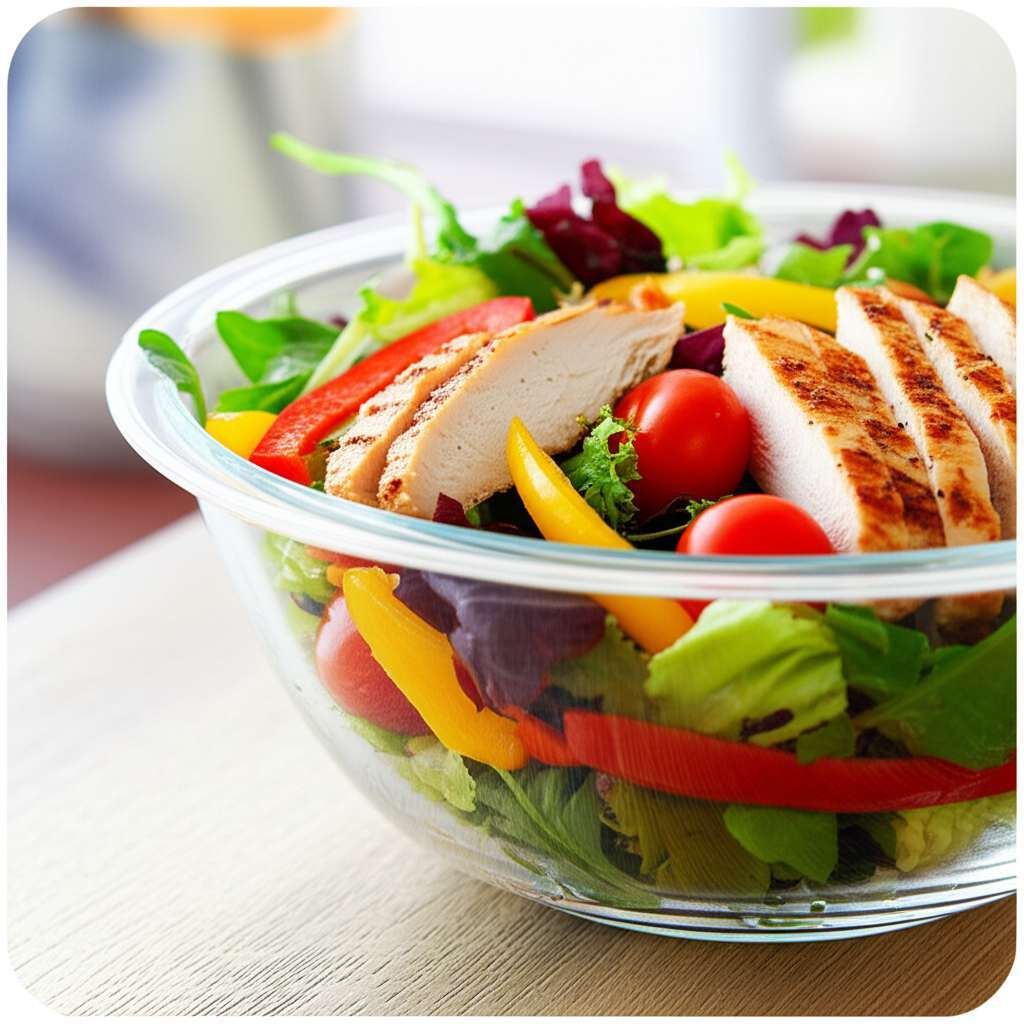
Fat loss for women is achievable with practical, science-backed strategies focusing on nutrition, exercise, and lifestyle. Ignite your journey by adopting sustainable habits that empower you to reach your goals comfortably and effectively. This guide offers simple, actionable steps to get you started.
Feeling confused about fat loss? You’re not alone! Many women find it challenging to navigate the sea of diet trends and fitness advice. It can seem like there’s no easy answer, leading to frustration and giving up before you even begin.

But here’s the good news: understanding your body and applying a few key principles can make all the difference. This guide is designed to break down the science into simple, actionable steps, just for you.
We’ll cover everything from what to eat and how to move, to managing stress and getting enough sleep. Get ready to feel empowered and excited about your health journey!
Understanding Fat Loss: The Basics for Women
Fat loss, at its core, is about creating a calorie deficit. This means you need to burn more calories than you consume. For women, this process can have unique considerations due to hormonal differences and body composition.
Hormones like estrogen play a role in how and where women store fat. This doesn’t mean it’s impossible to lose fat; it just means we might need to be a bit more mindful of certain factors. Our approach will be about creating a healthy lifestyle, not just a quick fix.
Calorie Deficit: More Than Just Eating Less
Creating a calorie deficit doesn’t mean starving yourself. It’s about making smart, sustainable food choices that nourish your body while keeping you in a calorie range that allows for fat loss. Think of it as fueling your body efficiently.
A moderate deficit is key. Aiming for too little food can slow down your metabolism and make you feel tired and deprived, which is counterproductive. We’ll explore how to find that sweet spot.
Metabolism: Your Body’s Energy Engine
Your metabolism is the process by which your body converts food and drinks into energy. The faster your metabolism, the more calories you burn at rest. Factors like age, muscle mass, and genetics influence it.
Building muscle is a fantastic way to boost your metabolism, as muscle tissue burns more calories than fat tissue, even when you’re not exercising. This is a key strategy we’ll touch on throughout this guide.
Fueling Your Body: Nutrition for Fat Loss
What you eat has a massive impact on your fat loss journey. The goal is to choose nutrient-dense foods that keep you feeling full, energized, and satisfied, all while supporting your calorie deficit.
Focusing on whole, unprocessed foods is your best bet. These foods provide essential vitamins and minerals your body needs to function optimally and can help manage hunger cues effectively.
The Power of Protein
Protein is a superstar nutrient for fat loss. It helps you feel fuller for longer, which can reduce overall calorie intake. Plus, your body uses more energy to digest protein compared to fats or carbohydrates, a process called the thermic effect of food.
Incorporating protein at every meal and snack is a simple yet powerful strategy. This helps maintain muscle mass during weight loss, which is crucial for a healthy metabolism.
Great Protein Sources:
- Lean meats (chicken breast, turkey, lean beef)
- Fish and seafood (salmon, tuna, shrimp)
- Eggs
- Dairy products (Greek yogurt, cottage cheese, milk)
- Legumes (beans, lentils, chickpeas)
- Tofu and tempeh
- Nuts and seeds (in moderation)
Smart Carbohydrates: Energy, Not Enemies
Carbohydrates often get a bad rap, but they are your body’s primary source of energy. The key is to choose complex carbohydrates that are rich in fiber and nutrients, rather than refined, sugary options.
Fiber helps with digestion, keeps you feeling full, and can help regulate blood sugar levels. This prevents energy crashes and reduces cravings for unhealthy snacks.
Choose These Complex Carbs:
- Whole grains (oats, quinoa, brown rice, whole wheat bread)
- Vegetables (all types, especially leafy greens, broccoli, bell peppers)
- Fruits (berries, apples, bananas, oranges)
- Legumes (beans, lentils)
Healthy Fats: Essential for Hormones and Fullness
Fats are crucial for hormone production, nutrient absorption, and keeping you satisfied. Don’t fear healthy fats; they are essential for overall health and can support your fat loss efforts by promoting satiety.
Focus on unsaturated fats, which are beneficial for heart health and inflammation. Limit saturated and trans fats, which can be detrimental to your well-being.
Beneficial Fat Sources:
- Avocado
- Nuts and seeds (almonds, walnuts, chia seeds, flaxseeds)
- Olive oil
- Fatty fish (salmon, mackerel)
Hydration: The Unsung Hero
Drinking enough water is fundamental for numerous bodily functions, including metabolism and appetite control. Sometimes, thirst can be mistaken for hunger, leading to unnecessary snacking.
Staying well-hydrated can also help with energy levels and improve exercise performance, making your workouts more effective for fat loss.
How Much Water?
A general guideline is to drink at least eight 8-ounce glasses of water per day. However, your needs may vary based on activity level, climate, and individual factors. Listen to your body and drink when you feel thirsty.
Moving Your Body: Exercise for Fat Loss
Exercise is a vital component of fat loss, not just for burning calories but also for building lean muscle, boosting your metabolism, and improving your overall health and mood.
A balanced exercise routine that includes both cardiovascular activity and strength training will yield the best results for sustainable fat loss.
Cardiovascular Exercise (Cardio)
Cardio, or aerobic exercise, is excellent for burning calories and improving heart health. It gets your heart rate up and keeps it there for a sustained period, effectively increasing your daily calorie expenditure.
Aim for consistency. Even moderate-intensity cardio done regularly can make a significant difference. You don’t need to run marathons; finding an activity you enjoy is key to sticking with it.
Examples of Cardio:
- Brisk walking
- Jogging or running
- Cycling
- Swimming
- Dancing
- Hiking
- Using cardio machines (elliptical, treadmill, rower)
Strength Training: Building Your Metabolism
Strength training, also known as resistance training, is crucial for building and maintaining muscle mass. As mentioned, muscle burns more calories at rest than fat, so increasing your muscle mass can give your metabolism a significant boost.
It also helps to shape and tone your body, improving your overall physique and posture. You don’t need to lift heavy weights to see benefits; bodyweight exercises are a great starting point.
Beginner-Friendly Strength Exercises:
- Squats
- Lunges
- Push-ups (can be done on knees)
- Plank
- Glute bridges
- Dumbbell rows (using light weights or resistance bands)
Consistency is Key
The most effective exercise plan is one you can stick to. Don’t feel pressured to do intense workouts every single day. Find a schedule that works for you and gradually increase the duration, intensity, or frequency as you get fitter.
A good starting point is aiming for at least 150 minutes of moderate-intensity aerobic activity or 75 minutes of vigorous-intensity aerobic activity per week, plus muscle-strengthening activities at least two days a week, as recommended by the U.S. Department of Health and Human Services.
Lifestyle Factors: Beyond Diet and Exercise
Fat loss isn’t just about what you eat and how you move; your lifestyle plays a huge role. Small changes in your daily habits can significantly impact your progress and overall well-being.
Prioritizing these lifestyle factors can help you overcome plateaus and make your fat loss journey more sustainable and enjoyable.
Sleep: The Essential Recovery Tool
Getting enough quality sleep is fundamental for fat loss. Lack of sleep can disrupt hormones that regulate appetite, such as ghrelin (which stimulates hunger) and leptin (which signals fullness). This can lead to increased cravings for unhealthy foods and overeating.
Aim for 7-9 hours of quality sleep per night. Establishing a regular sleep schedule and creating a relaxing bedtime routine can help improve your sleep quality.
Stress Management: Calming the Cravings
Chronic stress can lead to increased levels of cortisol, a hormone that can promote fat storage, especially around the abdomen. It can also trigger emotional eating and cravings for sugary or fatty foods.
Finding healthy ways to manage stress is crucial. This could include meditation, yoga, deep breathing exercises, spending time in nature, or engaging in hobbies you enjoy.
Mindful Eating: Connecting with Your Food
Mindful eating involves paying attention to your hunger and fullness cues, savoring your food, and eating without distractions. This practice can help you develop a healthier relationship with food and prevent mindless overeating.
Try to eat slowly, chew your food thoroughly, and put your fork down between bites. This gives your brain time to register that you are full, preventing you from eating more than you need.
Putting It All Together: Your Action Plan
Now that you understand the key components of fat loss, let’s create a simple, actionable plan to get you started. Remember, this is your journey, and progress, not perfection, is the goal.
Start small and build momentum. Small, consistent changes are more likely to lead to long-term success than drastic, unsustainable ones.
Step 1: Set Realistic Goals
Instead of focusing solely on a number on the scale, set process-oriented goals. For example, “I will walk for 30 minutes, three times this week” or “I will add a serving of vegetables to lunch and dinner every day.”
SMART goals are specific, measurable, achievable, relevant, and time-bound. This framework can help you stay focused and motivated.
Step 2: Plan Your Meals and Snacks
Take some time each week to plan what you’ll eat. This doesn’t have to be complicated. You can create a simple weekly menu or just decide on a few healthy go-to meals and snacks.
Having healthy options readily available will prevent impulsive, unhealthy choices when hunger strikes. Consider meal prepping some components, like chopped vegetables or cooked grains, to save time during the week.
Step 3: Schedule Your Workouts
Just like you schedule appointments, schedule your workouts. Block out time in your calendar for physical activity. Treat these appointments with yourself as non-negotiable.
Start with what you can realistically commit to. If you can only manage 20 minutes of activity a few days a week, that’s a fantastic start!
Step 4: Prioritize Sleep and Stress Management
Make a conscious effort to improve your sleep hygiene and find effective ways to manage stress. These lifestyle factors are just as important as diet and exercise for sustainable fat loss.
Try incorporating a short mindfulness practice or a relaxing activity into your daily routine. Even 5-10 minutes can make a difference.
Step 5: Track Your Progress (Wisely)
Tracking can be a powerful motivator. This could involve journaling your food intake, logging your workouts, or monitoring how you feel. Don’t obsess over daily fluctuations on the scale; focus on trends over time.
Consider taking progress photos or measurements every few weeks. Sometimes these show changes that the scale doesn’t reflect, such as improved body composition.
Common Pitfalls and How to Avoid Them
It’s normal to encounter challenges on your fat loss journey. Understanding common pitfalls can help you navigate them more effectively and stay on track.
Being prepared for these obstacles can prevent setbacks and keep your motivation high.
1. All-or-Nothing Thinking
This is when one “off” meal or missed workout leads to giving up entirely. Remember that one slip-up doesn’t erase your progress. Acknowledge it, learn from it, and get back on track with your next meal or workout.
2. Unrealistic Expectations
Expecting to lose a large amount of weight very quickly can lead to disappointment. Sustainable fat loss is typically 1-2 pounds per week. Focus on building healthy habits that will last a lifetime.
3. Restrictive Diets
Severely restricting calories or eliminating entire food groups can be unsustainable and detrimental to your health. It can lead to nutrient deficiencies, metabolic slowdown, and rebound weight gain. Focus on balance and moderation.
4. Ignoring Non-Scale Victories
The scale is just one measure of progress. Pay attention to other positive changes, such as increased energy levels, better sleep, clothes fitting better, improved mood, and greater strength. These “non-scale victories” are incredibly important.
5. Not Enough Support
Having a support system can make a huge difference. This could be friends, family, a fitness buddy, or even an online community. Sharing your journey and challenges with others can provide encouragement and accountability.
Frequently Asked Questions (FAQ)
What is the most effective way for women to lose fat?
The most effective way involves a consistent calorie deficit achieved through a balanced diet rich in whole foods, regular exercise (including both cardio and strength training), adequate sleep, and stress management. There’s no single magic bullet; it’s about a holistic approach.
How much protein do women need for fat loss?
For fat loss, women generally benefit from consuming more protein. A common recommendation is around 0.7 to 1 gram of protein per pound of body weight. This helps with satiety and muscle preservation.
How often should women do strength training for fat loss?
Aim for at least two to three strength training sessions per week, targeting all major muscle groups. This helps build and maintain muscle mass, which boosts your metabolism.
Is it okay to have cheat meals or days?
Yes, for many people, planned “cheat meals” or occasional “cheat days” can be part of a sustainable plan. They can help manage cravings and prevent feelings of deprivation. The key is moderation and ensuring they don’t derail your overall progress.
What role does sleep play in fat loss for women?
Sleep is crucial. Poor sleep disrupts appetite-regulating hormones (ghrelin and leptin), leading to increased hunger and cravings, especially for high-calorie foods. It also impacts energy levels for workouts and recovery.
How long does it typically take for women to see fat loss results?
Results vary greatly depending on individual starting points, consistency, and the magnitude of lifestyle changes. However, consistent effort over 4-12 weeks is often when noticeable changes in body composition and weight begin to appear. Focus on consistent progress rather than rapid results.
Should women focus on cardio or strength training first?
Both are important. A balanced approach is best. You can incorporate both into your routine. Some prefer starting with strength training to build muscle, then doing cardio, while others prefer cardio first to warm up. Find what works for your energy levels and preferences.
Conclusion: Your Empowering Journey Begins Now
Embarking on a fat loss journey as a woman is a powerful act of self-care. It’s about building a stronger, healthier, and more confident you, not just for a moment, but for life.
By focusing on nourishing your body with the right foods, moving it in ways that feel good and build strength, prioritizing rest, and managing stress, you are creating a sustainable foundation for success. Remember to be patient and kind to yourself. Every small step you take is a victory.
You have the tools and the knowledge now to ignite your journey. Embrace the process, celebrate your progress, and trust in your ability to achieve your goals. Your empowered future starts today!
As an Amazon Associate, We earn from qualifying purchases. When you purchase a product through Amazon links on pulsefitguide.com, we may earn a small commission at no extra cost to you. This helps support the site and keep our content free.