
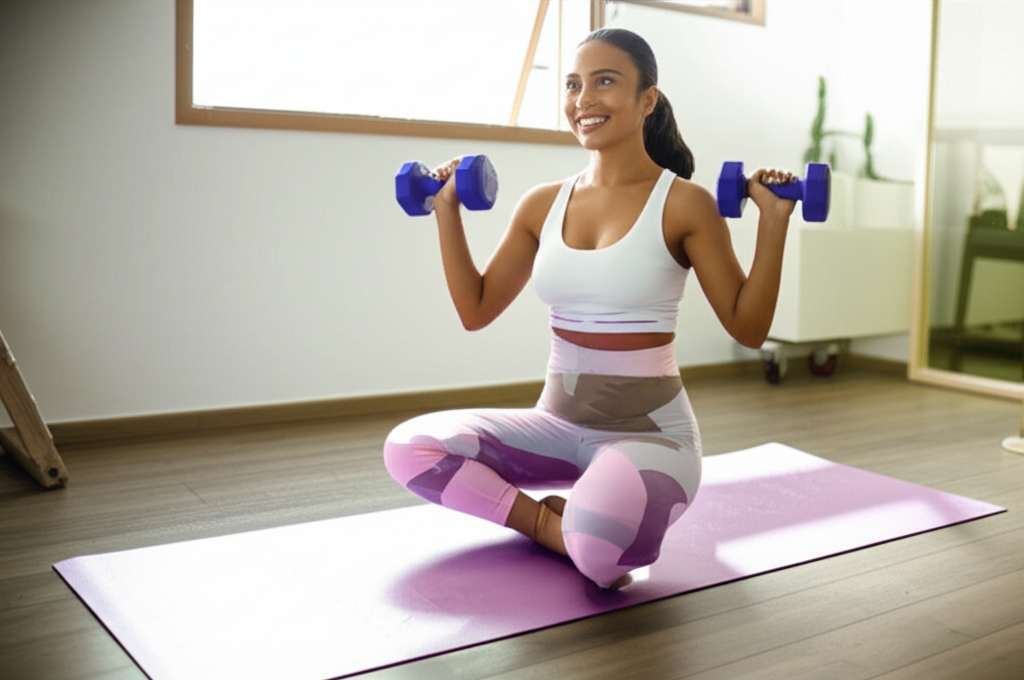
Fat loss ideas at home can lead to amazing results! You can effectively lose fat by combining simple home workouts, smart eating habits, and consistent lifestyle changes without needing a gym. This guide provides practical, beginner-friendly strategies to help you achieve your goals comfortably and sustainably right from your living room.
Feeling a bit overwhelmed by weight loss? You’re not alone! Many people find it confusing or difficult to know where to start, especially when busy schedules or gym fees seem like big hurdles. It’s completely understandable to feel stuck when you want to make a change but aren’t sure of the best path.

But guess what? Achieving amazing fat loss results is absolutely possible from the comfort of your own home! With the right approach, you can build healthy habits that stick and see fantastic changes without ever stepping foot in a gym.
This guide is designed to make things super clear and easy. We’ll break down simple, effective strategies that you can start using today. Get ready to discover how to unlock your fat loss potential right where you are!
Why Fat Loss at Home Works (and Why It’s Easier Than You Think!)
The biggest myth about fat loss is that you need fancy equipment or a gym membership. The truth is, your body is the most amazing tool you have! Effective fat loss comes down to two main things: creating a calorie deficit (burning more calories than you consume) and building lean muscle, which boosts your metabolism. Both of these can be achieved with smart choices made at home.
Think about it: you can control what you eat, and you can move your body in countless ways without needing a gym. This means you have direct control over the key factors that drive fat loss. Plus, the convenience of home workouts means fewer excuses and more consistency, which is crucial for seeing results.
This guide will give you actionable steps to harness that home-based power. We’ll cover everything from simple exercises you can do in your living room to easy nutrition swaps that make a big difference.
Your At-Home Fat Loss Toolkit: What You’ll Need
The best part about fat loss at home is that you don’t need a lot of expensive gear. Most of what you need, you probably already have!
Essential Tools:
- Comfortable Clothing: Wear something that allows you to move freely without feeling restricted.
- Water Bottle: Staying hydrated is key for metabolism and feeling full.
- Yoga Mat or Soft Surface: This makes floor exercises more comfortable and safer.
- Sturdy Chair or Wall: Useful for balance and modifications in exercises.
- Optional: Resistance Bands: These are inexpensive, portable, and add a great challenge to workouts.
- Optional: Dumbbells (light to medium): If you have them, they can add more intensity to strength training.
The Most Important Tool: Your Mindset!
Seriously, your determination and belief in yourself are your most powerful assets. We’re building healthy habits, not just doing a temporary diet. Focus on progress, not perfection, and celebrate every small win!
Simple & Effective At-Home Workouts for Fat Loss
These workouts focus on compound movements (exercises that work multiple muscle groups at once) and keeping your heart rate up to maximize calorie burn. No fancy equipment needed!
1. Bodyweight Cardio Blast
Cardio is fantastic for burning calories and improving heart health. You can get your heart pumping without leaving your home!
Example Routine (15-20 minutes):
- Warm-up (5 minutes): Light jogging in place, arm circles, leg swings.
- Jumping Jacks: 30 seconds on, 15 seconds rest. Repeat 3 times.
- High Knees: 30 seconds on, 15 seconds rest. Repeat 3 times.
- Butt Kicks: 30 seconds on, 15 seconds rest. Repeat 3 times.
- Mountain Climbers: 30 seconds on, 15 seconds rest. Repeat 3 times.
- Skaters: 30 seconds on, 15 seconds rest. Repeat 3 times.
- Cool-down (5 minutes): Gentle stretching, deep breaths.
You can increase the intensity by doing more repetitions, reducing rest time, or increasing the duration of each exercise. The goal is to get slightly breathless but still be able to speak a few words.
2. Strength Training for Metabolism Boost
Building muscle is crucial because muscle burns more calories at rest than fat does. This means a stronger body is a more efficient fat-burning machine!
Full Body Strength Circuit (2-3 rounds):
Perform each exercise for 10-12 repetitions, then move to the next with minimal rest. After completing all exercises, rest for 60-90 seconds before starting the next round.
| Exercise | Description | Tips for Beginners |
|---|---|---|
| Squats | Stand with feet shoulder-width apart. Lower your hips as if sitting in a chair, keeping your chest up and back straight. Return to standing. | Start with a smaller range of motion if needed. Focus on keeping knees behind toes. |
| Push-ups | Place hands slightly wider than shoulder-width apart. Lower your chest towards the floor, keeping your body in a straight line. Push back up. | Perform on your knees if standard push-ups are too difficult. |
| Lunges | Step forward with one leg, lowering your hips until both knees are bent at a 90-degree angle. Your front knee should be over your ankle, and your back knee should hover above the floor. Push off your front foot to return to the start. Alternate legs. | Use a wall or chair for balance if needed. Focus on control. |
| Plank | Hold a position on your forearms and toes, keeping your body in a straight line from head to heels. Engage your core. | Start with holding for 20-30 seconds. If too hard, drop to your knees. |
| Glute Bridges | Lie on your back with knees bent and feet flat on the floor. Lift your hips off the ground, squeezing your glutes at the top. Lower slowly. | Focus on squeezing your glutes at the peak of the movement. |
Consistency is key. Aim to do strength training 2-3 times per week, with at least one rest day in between. You can find many instructional videos for these exercises on reputable health websites like the National Institute on Aging, which offers great visuals and tips for proper form.
3. Active Recovery and Flexibility
Don’t forget that rest and recovery are just as important as the workouts themselves. Active recovery helps reduce muscle soreness and improves flexibility, which can prevent injuries.
At-Home Active Recovery Ideas:
- Gentle Yoga: Focus on holding poses and deep breathing. Many free yoga routines are available online for beginners.
- Stretching: Hold stretches for major muscle groups (hamstrings, quads, chest, back) for 20-30 seconds.
- Walking: Even a brisk walk around your neighborhood or in your home can be beneficial.
- Foam Rolling (if you have one): Helps release muscle tension.
Incorporating these on your “rest days” keeps your body moving and aids in recovery, making your next workout more effective.
Smart Eating for Fat Loss at Home
Nutrition is a huge piece of the fat loss puzzle. You can’t out-exercise a poor diet, but you can make simple, sustainable changes at home that lead to amazing results.
1. Focus on Whole, Unprocessed Foods
These foods are packed with nutrients and fiber, which help you feel full and satisfied. They also require more energy to digest, giving your metabolism a little boost.
Examples:
- Lean Proteins: Chicken breast, turkey, fish, eggs, beans, lentils, tofu.
- Vegetables: Broccoli, spinach, carrots, bell peppers, zucchini, cauliflower. Eat a rainbow of colors!
- Fruits: Berries, apples, bananas, oranges, pears.
- Healthy Fats: Avocados, nuts, seeds, olive oil.
- Whole Grains: Oats, quinoa, brown rice, whole wheat bread (in moderation).
2. Portion Control is Key
Even healthy foods have calories. Being mindful of how much you’re eating is crucial for creating that calorie deficit.
Tips for Portion Control:
- Use smaller plates: This tricks your brain into thinking you’re eating more.
- Measure your food: Especially for calorie-dense items like oils, nuts, and grains.
- Listen to your body: Eat until you are comfortably full, not stuffed. It takes about 20 minutes for your brain to register fullness.
- Fill half your plate with vegetables: This adds volume and nutrients with fewer calories.
3. Stay Hydrated
Drinking enough water is often overlooked but incredibly important for fat loss. Water can help boost your metabolism and make you feel fuller, potentially reducing overall calorie intake.
How Much Water?
A good general guideline is to drink at least 8 cups (about 2 liters) of water per day. However, individual needs vary based on activity level, climate, and overall health. A simple way to check is to look at your urine; it should be a pale yellow color.
The Centers for Disease Control and Prevention (CDC) provides excellent information on the importance of water for overall health and bodily functions.
4. Mindful Eating Practices
Pay attention to your hunger and fullness cues. Eating slowly and savoring your food can help you recognize when you’re satisfied, preventing overeating.
Try This:
- Eat without distractions: Avoid eating in front of the TV or computer.
- Chew your food thoroughly: This aids digestion and allows your brain to catch up.
- Notice the taste and texture: Engage your senses with your meal.
5. Simple Meal Prep Ideas
Having healthy meals and snacks ready can prevent impulsive, less healthy choices.
Easy Prep Tips:
- Cook a batch of lean protein: Grilled chicken, baked fish, or hard-boiled eggs can be used in salads, wraps, or eaten on their own.
- Chop veggies: Prepare carrots, celery, bell peppers, and cucumbers for easy snacking or adding to meals.
- Portion out nuts and seeds: Great for a quick, healthy snack.
- Make overnight oats: Combine oats, milk (or plant-based alternative), and chia seeds in a jar for a quick breakfast.
Lifestyle Habits for Sustainable Fat Loss
Fat loss isn’t just about exercise and diet; it’s about building a lifestyle that supports your goals. Small, consistent habits make a world of difference.
1. Prioritize Sleep
Lack of sleep can disrupt hormones that regulate appetite, leading to increased hunger and cravings for unhealthy foods. Aim for 7-9 hours of quality sleep per night.
Sleep Hygiene Tips:
- Stick to a regular sleep schedule, even on weekends.
- Create a relaxing bedtime routine.
- Ensure your bedroom is dark, quiet, and cool.
- Limit screen time before bed.
2. Manage Stress
Chronic stress can lead to increased cortisol levels, which can promote fat storage, especially around the abdomen. Finding healthy ways to cope with stress is vital.
Stress Management Techniques:
- Deep breathing exercises.
- Meditation or mindfulness.
- Spending time in nature (even just a walk outside).
- Engaging in hobbies you enjoy.
- Talking to a friend or family member.
3. Be Consistent, Not Perfect
It’s okay to have an off day. The key to long-term success is getting back on track immediately rather than giving up. Focus on the overall trend of your habits.
Think of it like this: if you spill a little water, you don’t throw away the entire glass. You just wipe it up and keep going. The same applies to your health journey. Acknowledge the slip-up, learn from it, and recommit to your plan.
4. Track Your Progress (Beyond the Scale)
The scale is just one measure, and sometimes it doesn’t tell the whole story. Fat loss can also be seen in how your clothes fit, your energy levels, and your strength improvements.
What to Track:
- Measurements: Waist, hips, arms, thighs.
- How your clothes fit: Are they looser?
- Energy levels: Do you feel more energetic throughout the day?
- Strength: Can you do more reps or hold a plank longer?
- Mood and well-being: Do you feel happier and more confident?
Taking photos of yourself every few weeks can also be a great visual motivator. You might be surprised at the changes you see!
Putting It All Together: Your Step-by-Step Plan
Ready to start? Here’s a simple plan to implement these fat loss ideas at home:
Week 1: Foundation
- Start moving: Aim for 2-3 short bodyweight cardio sessions (15-20 mins) and 1 full-body strength workout.
- Hydrate: Focus on drinking at least 6-8 glasses of water daily.
- One meal change: Swap one sugary drink for water or try adding an extra serving of vegetables to one meal per day.
- Prioritize sleep: Aim for 7 hours of sleep.
Week 2: Build
- Increase movement: Add another cardio or strength session, or increase the duration/intensity slightly.
- Nutrition focus: Incorporate lean protein into every meal.
- Portion awareness: Start paying attention to portion sizes at one meal.
- Stress management: Try a 5-minute mindfulness exercise daily.
Week 3-4: Consistency
- Maintain routine: Stick to your 3-4 workouts per week.
- Refine nutrition: Focus on whole foods and reducing processed snacks.
- Listen to your body: Practice mindful eating and recognize fullness cues.
- Track progress: Take measurements and note energy levels.
Ongoing: Adapt and Grow
- As you get stronger, gradually increase the intensity, duration, or frequency of your workouts.
- Experiment with new healthy recipes to keep things interesting.
- Continue to focus on sleep, stress management, and consistency.
- Don’t be afraid to adjust your plan as needed based on how you feel and what works best for you.
Remember, the goal is to create sustainable habits. Celebrate your progress and be patient with yourself. Amazing results come from consistent effort over time.
Frequently Asked Questions About Fat Loss at Home
Q1: How quickly can I expect to see results from fat loss at home?
Results vary for everyone, but most people start noticing changes in how their clothes fit or increased energy levels within 2-4 weeks of consistent effort. Significant visual changes can take anywhere from 4-12 weeks or longer. Patience and consistency are your best friends here!
Q2: I’m very busy. How can I fit in workouts?
Short, effective workouts are your secret weapon! Even 15-20 minutes of focused cardio or strength training can make a big difference. Break up your movement throughout the day if needed – a quick walk during a break, or a few exercises before bed.
Q3: What if I have no energy to exercise?
It’s common to feel low on energy, especially when starting. Begin with very gentle movements like stretching or a short walk. Often, moving your body actually increases your energy levels. Also, ensure you’re getting enough sleep and staying hydrated, as these play a huge role in energy.
Q4: Do I need to count calories to lose fat?
Not necessarily! While understanding calorie balance is important, you can achieve fat loss by focusing on portion control, eating whole foods, and increasing your activity. Mindful eating and choosing nutrient-dense foods can naturally lead to consuming fewer calories without strict counting.
Q5: I have a specific area I want to target, like my stomach. Can I do that?
Unfortunately, you can’t “spot reduce” fat from one specific area. Fat loss happens throughout your body. However, by consistently following a fat loss plan (combining exercise and nutrition), you will eventually lose fat from all areas, including your stomach. Strengthening your core muscles through exercises like planks can also improve the appearance of your midsection.
Q6: What are the biggest mistakes beginners make?
Common mistakes include trying to do too much too soon, expecting instant results, being too restrictive with food, and not prioritizing sleep or recovery. It’s better to start small and build up gradually. Focus on creating healthy habits you can maintain long-term.
Conclusion
Achieving amazing fat loss results at home is absolutely within your reach. By combining simple, effective bodyweight workouts, making smart and sustainable nutrition choices, and building healthy lifestyle habits like prioritizing sleep and managing stress, you can transform your body and your health.
Remember, this journey is about progress, not perfection. Each workout completed, each healthy meal chosen, and each night of good sleep is a victory. You have the power within your own home to create significant, positive changes.
Start small, stay consistent, and be patient with yourself. You’ve got this! Embrace these at-home fat loss ideas, and get ready to see the amazing results you deserve.
As an Amazon Associate, We earn from qualifying purchases. When you purchase a product through Amazon links on pulsefitguide.com, we may earn a small commission at no extra cost to you. This helps support the site and keep our content free.