

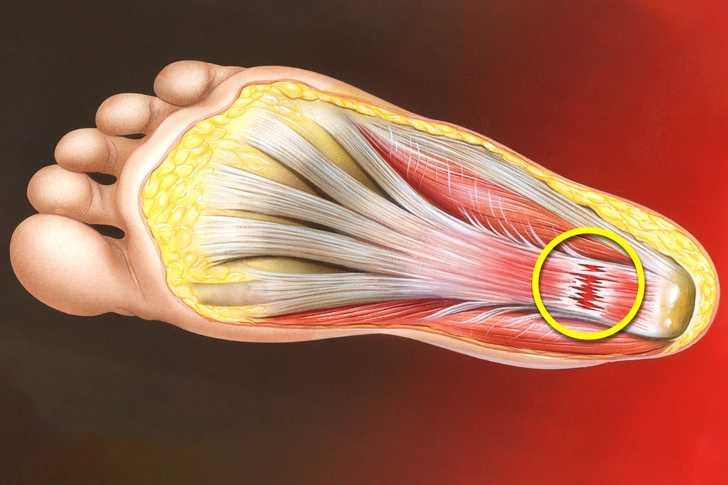
Yes, losing weight can significantly help alleviate plantar fasciitis symptoms. Carrying less weight reduces stress on your feet, especially on the plantar fascia, which can speed up recovery and reduce pain. Maintaining a healthy weight not only eases the strain but also helps prevent future flare-ups.
Losing weight can be a game-changer for managing plantar fasciitis, a common cause of heel pain. When you’re overweight, extra pressure is placed on the arch of your foot, leading to inflammation and discomfort. Shedding those extra pounds lessens this burden, allowing your plantar fascia to heal more effectively. It’s a practical step that complements other treatments like stretching, orthotics, and proper footwear. If you’re struggling with heel pain, considering weight loss could be a critical part of your recovery journey, making your path to relief quicker and more sustainable.

Does Weight Loss Help Plantar Fasciitis?
Understanding Plantar Fasciitis and Its Causes
Plantar fasciitis is a common foot condition that causes pain at the bottom of your heel. It occurs when the tissue connecting your heel to your toes, called the plantar fascia, becomes inflamed or irritated. This condition can develop due to overuse, repetitive stress, or injury, often affecting runners, overweight individuals, and those who stand for long periods.
The main symptoms include sharp heel pain, especially in the morning or after long periods of rest. The pain tends to decrease as you move around but can return after prolonged standing or walking. Recognizing these symptoms is the first step in understanding how weight management might influence this condition.
How Excess Weight Contributes to Plantar Fasciitis
Carrying extra weight puts additional pressure on your feet and the plantar fascia. The more weight your feet support, the greater the strain on this tissue.
This added stress can cause the plantar fascia to stretch excessively and become irritated over time.
Research shows that overweight and obese individuals are more likely to develop plantar fasciitis than those with a healthy weight.
In fact, losing even a small amount of weight can significantly reduce the pressure on your feet, easing the strain on the plantar fascia.
Does Weight Loss Reduce Heel Pain?
Losing weight can help relieve heel pain caused by plantar fasciitis.
When you shed pounds, your feet experience less force with each step, reducing inflammation and pain.
Many patients report noticeable improvement in heel discomfort after losing weight.
Weight loss also encourages better foot biomechanics, allowing the foot to function more naturally and decreasing strain on the fascia.
The Scientific Perspective: Studies Supporting Weight Loss Benefits
Numerous studies support the link between weight loss and improvement in plantar fasciitis symptoms.
One research review found that overweight individuals with heel pain experienced significant relief after reducing body weight.
Another study indicated that weight loss led to decreased plantar fascia thickness, a sign of reduced inflammation.
These findings suggest that weight management should be a part of a comprehensive treatment plan for plantar fasciitis.
Practical Ways to Achieve Weight Loss and Support Foot Health
Losing weight involves a balanced approach combining diet, exercise, and lifestyle changes.
Start with a nutritious, calorie-controlled diet rich in fruits, vegetables, lean proteins, and whole grains.
Incorporate low-impact exercises like swimming, cycling, or walking to burn calories without over stressing your feet.
Wear supportive shoes that reduce strain during daily activities and avoid high heels or unsupportive footwear.
Consider consulting a healthcare provider or a dietitian for personalized weight loss strategies.
Additional Benefits of Weight Loss for Foot and Overall Health
Beyond easing plantar fasciitis, weight loss offers multiple health advantages.
It helps lower blood pressure, improves blood sugar levels, and reduces the risk of cardiovascular disease.
Maintaining a healthy weight also enhances mobility and energy levels, making daily activities easier.
Furthermore, reducing body fat can improve the overall function of joints and tissues, including those in the feet.
Complementary Treatments to Enhance the Effects of Weight Loss
While losing weight can significantly decrease heel pain, combining this with other treatments maximizes results.
Stretching exercises for the Achilles tendon and calf muscles can improve foot flexibility.
Using orthotic inserts in shoes helps distribute pressure evenly across the foot.
Resting the foot and avoiding activities that trigger pain are essential during flare-ups.
Physical therapy may also be recommended to strengthen foot muscles and improve biomechanics.
Precautions and When to Seek Medical Advice
If heel pain persists despite weight loss and home remedies, consult a healthcare professional.
Persistent pain could indicate other underlying issues needing specialized treatment.
Avoid aggressive weight loss methods that can cause nutritional deficiencies or injury.
Always follow a gradual, sustainable approach to losing weight for better long-term results.
Incorporating these strategies can help manage plantar fasciitis effectively and improve overall foot health.
Summary: Is Weight Loss a Key Factor?
In summary, losing excess weight can significantly reduce the strain on your plantar fascia, leading to less heel pain and improved mobility.
It is not only a supportive strategy for those already experiencing plantar fasciitis but also a preventative measure.
While weight loss alone might not cure plantar fasciitis, it plays an essential role in a comprehensive treatment plan.
By combining weight management with proper footwear, stretching, and medical guidance, many people find relief and better quality of life.
Weight Loss and Feet | Seattle Podiatrist Larry Huppin
Frequently Asked Questions
Can losing weight reduce the pressure on the feet and relieve plantar fasciitis symptoms?
Losing weight decreases the overall pressure on your feet, especially the heels and arches affected by plantar fasciitis. With less weight to support, the strain on your plantar fascia lessens, which can help reduce pain and promote healing. Maintaining a healthy weight also minimizes the risk of aggravating existing symptoms and prevents further strain during daily activities.
How does weight management contribute to the recovery process from plantar fasciitis?
Weight management plays a crucial role in the recovery process by decreasing stress on the plantar fascia, allowing inflamed tissues to heal more effectively. Maintaining a healthy weight ensures that the forces exerted on your feet are within a manageable range, reducing inflammation and discomfort. It also supports the effectiveness of other treatments like stretches, orthotics, or physical therapy.
Is there a direct link between being overweight and the development of plantar fasciitis?
Being overweight increases the risk of developing plantar fasciitis because excess weight puts additional strain on the plantar fascia, especially during weight-bearing activities. This added stress can lead to micro-tears and inflammation, making overweight individuals more susceptible to experiencing symptoms. Weight loss serves as a preventive measure for those at higher risk.
What lifestyle changes can support weight loss and help manage plantar fasciitis?
Incorporating regular low-impact exercises such as swimming or cycling helps burn calories without putting excessive stress on your feet. Additionally, adopting a balanced diet rich in nutrients, staying hydrated, and avoiding prolonged periods of standing or high-impact activities can support weight loss efforts. Combining these changes with proper footwear and stretching routines enhances overall foot health.
Can gradual weight loss improve the effectiveness of orthotic devices for plantar fasciitis?
Gradual weight loss can enhance the fit and support provided by orthotic devices. As weight decreases, orthotics can better stabilize and cushion the foot, leading to improved symptom relief. This combined approach can increase comfort during daily use and accelerate the healing process, especially when integrated with other treatment strategies.
Final Thoughts
Losing weight can significantly reduce the strain on your feet, especially the plantar fascia. Excess weight increases pressure, worsening inflammation and pain.
Therefore, maintaining a healthy weight alleviates tension, aiding in pain relief and healing.
In conclusion, does weight loss help plantar fasciitis? Yes, shedding pounds can decrease stress on your plantar fascia, facilitating recovery and reducing discomfort.
As an Amazon Associate, We earn from qualifying purchases. When you purchase a product through Amazon links on pulsefitguide.com, we may earn a small commission at no extra cost to you. This helps support the site and keep our content free.