

Yes, low-intensity cardio can help burn fat, but it’s a gradual process that depends on consistency and overall activity levels. The key is that it allows your body to utilize fat as a primary fuel source, especially during extended workouts. However, it might not produce quick results compared to high-intensity exercises, but it’s a sustainable and accessible way for many people to stay active and shed fat over time.
If you’re wondering whether low-intensity cardio is effective for fat burning, the answer is yes, it can be beneficial, especially for beginners or those with joint issues. It encourages your body to burn fat instead of carbs, making it a great option for steady weight loss. Keep in mind, combining it with a balanced diet and other exercise forms maximizes your results.
Starting a fitness journey can be overwhelming, especially with so many exercise options out there. One common question is whether engaging in low-intensity cardio, like walking or slow cycling, really helps burn fat. The good news is, it does, particularly for those who prefer a less strenuous workout or are just beginning their fitness journey. This form of activity can be sustained for longer periods, making it effective over time for fat loss. Plus, it’s gentle on the joints and less intimidating, encouraging consistency. While it may not be the fastest way to see dramatic changes, incorporating regular low-intensity cardio into your routine can lead to steady, sustainable fat burning, especially when combined with mindful eating and other healthy habits.

Does Low Intensity Cardio Burn Fat
Understanding the Basics of Low Intensity Cardio
Low intensity cardio is a type of exercise where you work at a gentle pace for a sustained period. It typically involves activities like walking, slow cycling, or light jogging. This form of workout keeps your heart rate at about 50 to 65 percent of your maximum, making it easy to do for longer periods.
How Does Your Body Use Fat During Exercise?
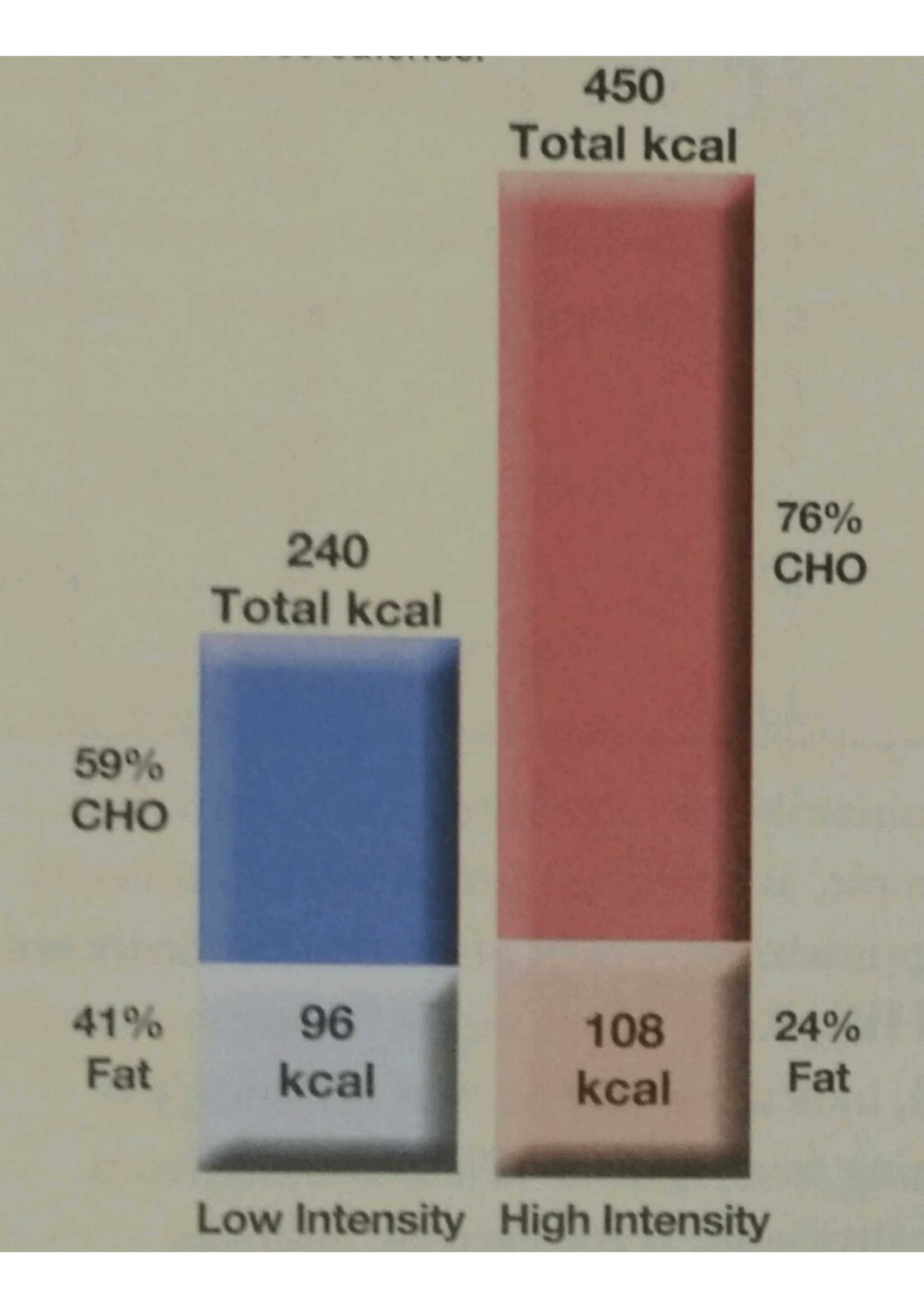
During physical activity, your body uses different fuel sources for energy. It primarily burns carbs and fats. At lower intensities, your body favors burning fat because it requires less oxygen and provides a steady supply of energy. As intensity increases, your body shifts toward burning more carbohydrates for quick energy.
Why Some People Think Low Intensity Cardio Burns More Fat
Many believe that because low intensity workouts burn a higher percentage of fat, they are better for fat loss. This idea stems from the concept that during low-intensity workouts, your body predominantly utilizes fat as fuel. However, total calorie burn matters more than the proportion of fat burned during exercise.
The Science Behind Fat Burning and Calorie Expenditure
To lose fat, you need to burn more calories than you consume. Low intensity cardio burns fewer calories per minute than high intensity workouts. For example, walking may burn around 200 calories in 30 minutes, whereas running can burn 350 calories or more in the same time. Even if a smaller percentage of low intensity exercise comes from fat, the overall calorie burn can be more significant over time.
High-Intensity vs Low-Intensity Cardio
High-intensity workouts like sprinting or interval training burn more calories quickly. They also increase your metabolic rate even after the workout ends, known as the afterburn effect. On the other hand, low intensity cardio is easier to do regularly and is less taxing on your body, making it accessible for many people.
How Long Should You Do Low Intensity Cardio?
For noticeable fat loss, many experts recommend exercising at a low intensity for at least 30 to 60 minutes. Consistency is key, so finding activities you enjoy and can do regularly helps. Regular sessions help create a calorie deficit, which is necessary for burning body fat.
Is Low Intensity Cardio Better for Beginners?
Yes, low intensity cardio is ideal for those new to exercise or those with joint issues. It allows your body to adapt gradually without excessive strain. Starting with walking or light cycling can build endurance and confidence before moving to higher intensities.
Can Low Intensity Cardio Help Preserve Muscle?
Low intensity workouts are less likely to cause muscle loss compared to high intensity or very prolonged exercise. They focus on fat burning without significantly taxing your muscles. Combining cardio with strength training supports better fat loss and muscle preservation.
Combining Cardio Types for Optimal Fat Loss
While low intensity cardio is effective, mixing it with high-intensity interval training can boost overall calorie burn. Alternating between moderate and high intensities challenges your body differently. This approach can lead to increased fat loss and improved cardiovascular health.
Other Benefits of Low Intensity Cardio
Besides burning fat, low intensity cardio improves heart health, boosts mood, and increases stamina. It is also easier to recover from, allowing you to work out more frequently. These benefits can contribute to long-term weight management and overall wellness.
How Nutrition Affects Fat Loss During Low Intensity Cardio
Proper nutrition complements your exercise routine by providing the energy needed for workouts and recovery. Eating a balanced diet with adequate protein supports muscle retention. Combining good nutrition with regular low intensity cardio optimizes fat loss outcomes.
Monitoring Progress and Staying Motivated
Tracking your workouts and body measurements can help you see progress over time. Setting realistic goals and enjoying your activity make it easier to stay consistent. Remember, even small steps forward lead to meaningful fat loss results.
Common Myths About Low Intensity Cardio and Fat Loss
Some believe that low intensity cardio is ineffective for fat loss. In reality, it can be very beneficial, especially when combined with a healthy diet. The key is consistency and total calorie expenditure over time, not just the activity’s intensity.
Summary: Does Low Intensity Cardio Burn Fat?
In conclusion, low intensity cardio **does burn fat** and can be part of an effective weight loss plan. While it may not burn as many calories per minute as high intensity workouts, its sustainability and ability to promote consistent exercise make it valuable. Combining it with other exercise forms maximizes results and supports overall health.
Frequently Asked Questions
Can low intensity cardio improve overall fat loss over time?
Yes, low intensity cardio can contribute to overall fat loss when incorporated consistently into your exercise routine. Although it may not burn as many calories per session as higher intensity workouts, it helps create a calorie deficit over the long term. Additionally, it allows for longer durations of exercise without excessive fatigue, enabling you to burn more calories overall. Combining it with proper nutrition enhances its effectiveness for reducing body fat.
Is low intensity cardio more suitable for beginners aiming to lose fat?
Absolutely. Low intensity cardio provides a gentle way for beginners to start exercising without overwhelming their bodies. It minimizes the risk of injury and allows new exercisers to build stamina gradually. As their fitness improves, they can increase intensity or duration to continue challenging their bodies and promoting fat loss efficiently.
How does low intensity cardio influence fat oxidation compared to high intensity workouts?
Low intensity cardio mainly uses fat as the primary fuel source during exercise, which can lead to increased fat oxidation over time. In contrast, high intensity workouts rely more on glycogen stores for energy. While both methods can support fat loss, low intensity sessions are often more sustainable for longer periods and can be less taxing, making it easier to maintain consistency for fat-burning purposes.
Can combining low intensity cardio with other types of exercise enhance fat burning?
Yes, combining low intensity cardio with strength training or higher intensity workouts can maximize fat loss. Strength training builds muscle mass, which boosts your resting metabolic rate, leading to more calories burned even at rest. Including varying exercise intensities prevents plateaus and stimulates different energy systems, ultimately supporting a more comprehensive fat loss strategy.
Final Thoughts
Low intensity cardio is effective for burning fat because it allows for prolonged exercise sessions, which use fat as the primary fuel source. During these workouts, the body efficiently taps into fat reserves rather than relying on carbs. This makes low intensity cardio ideal for sustained fat loss.
Does low intensity cardio burn fat? Yes, it does. Consistent, moderate efforts can lead to significant fat reduction over time. It’s a simple approach that fits easily into most fitness routines.
As an Amazon Associate, We earn from qualifying purchases. When you purchase a product through Amazon links on pulsefitguide.com, we may earn a small commission at no extra cost to you. This helps support the site and keep our content free.