

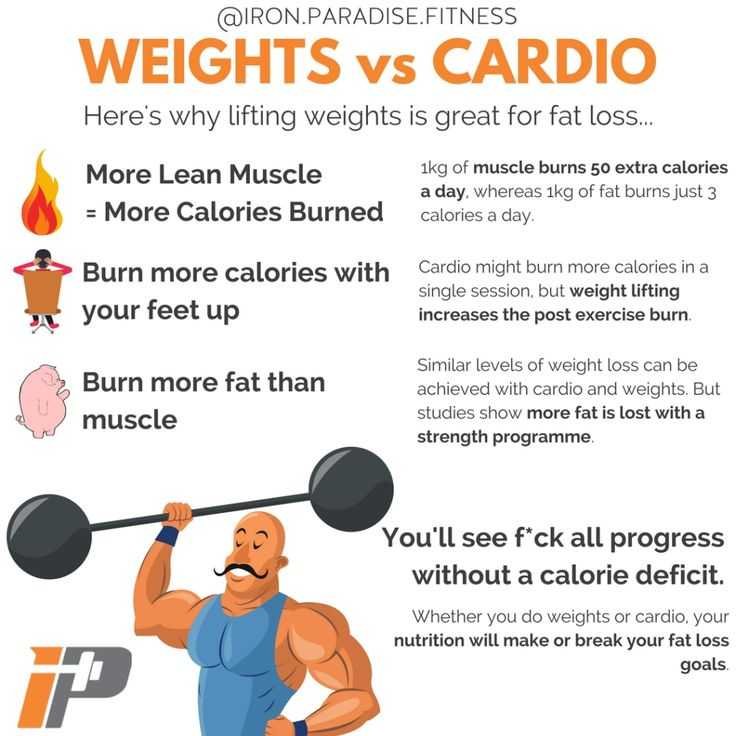
Lifting weights can actually help you burn fat faster than cardio, especially when combined with the right approach. Many people believe cardio is the quickest way to shed pounds, but strength training plays a crucial role in boosting metabolism and building muscle, which burns more calories even at rest. In fact, lifting weights doesn’t just tone your muscles; it actively contributes to fat loss by increasing your resting metabolic rate and creating an afterburn effect. So, if you want to melt fat efficiently, incorporating weightlifting into your routine could be your secret weapon. By focusing on building muscle, you’re not just working toward a fitter body—you’re also accelerating your fat-burning potential in ways cardio alone can’t match.

Does Lifting Weights Burn Fat Faster Than Cardio?
Understanding How Your Body Burns Fat
When you exercise, your body uses energy from different sources, primarily carbohydrates and fats. The type of activity you do influences which energy source is used more. Cardio activities, like running or cycling, are known for burning a lot of calories quickly, mainly from carbs during the workout. Lifting weights, on the other hand, burns fewer calories during the session but has a different effect on fat loss.
Calorie Burn During Cardio vs. Weight Lifting
Cardio workouts generally burn more calories per session because they keep your heart rate high for longer. For example, a 30-minute run can burn around 300-400 calories, depending on weight and intensity. Weight lifting burns fewer calories during the session, often about 200-300 calories for the same duration, but it builds muscle, which helps burn more calories later.
How Muscle Affects Fat Loss
Muscle tissue is more active than fat tissue, meaning it burns more calories even when you’re resting. Lifting weights increases muscle mass, which boosts your basal metabolic rate. This means that over time, your body burns more calories, helping you lose fat faster even when you’re not exercising.
Muscle Growth and Resting Metabolism
After lifting weights, your body continues to burn calories during recovery, a process called excess post-exercise oxygen consumption (EPOC). The more muscle you gain, the higher your resting metabolic rate becomes, leading to more efficient fat burning.
Fat Loss Efficiency: Cardio or Weights?
While cardio can burn a lot of calories quickly, it often leads to muscle loss if not combined with strength training. Weight lifting helps preserve and increase muscle mass, leading to better long-term fat loss. Combining both methods is often the best approach.
Studies Comparing the Two
Research shows that people who include strength training alongside cardio lose fat more effectively than those who only do cardio. One study indicated that participants who combined both lost more fat and gained more muscle than those doing only cardio.
What About High-Intensity Interval Training?
High-Intensity Interval Training (HIIT) combines cardio and lifting elements, alternating between short bursts of intense activity and rest. This approach maximizes calorie burn, promotes muscle growth, and enhances fat loss efficiently.
Benefits of HIIT for Fat Loss
HIIT workouts can burn a high number of calories in a shorter time, increase EPOC, and stimulate muscle growth. They are suitable for busy schedules and deliver lasting fat-burning effects beyond the workout.
Practical Tips for Better Fat Loss
To burn fat effectively, it’s best to incorporate both cardio and weight lifting into your routine. Focus on compound movements like squats and deadlifts, which engage multiple muscle groups. Also, maintain a balanced diet rich in protein to support muscle growth and fat loss.
Sample Weekly Workout Plan
- Monday: Cardio session (30 minutes running or cycling)
- Tuesday: Weight lifting focusing on upper body (45 minutes)
- Wednesday: Rest or light activity like walking
- Thursday: HIIT workout (20 minutes of alternating sprints and jogs)
- Friday: Weight lifting focusing on lower body (45 minutes)
- Saturday: Active recovery or yoga
- Sunday: Long, moderate-intensity cardio session (45 minutes)
Addressing Common Myths
Many believe that cardio is the only way to burn fat, but strength training plays a crucial role in maintaining and increasing muscle, which is essential for sustainable fat loss. Conversely, some think lifting weights won’t help burn calories, but it significantly impacts long-term metabolism.
Myth: Cardio Burns More Fat Than Weights
While cardio burns more calories during exercise, weight training increases calorie burn over time by building muscle. The key is combining both for maximum results.
Myth: Lifting Weights Makes You Bulk Up
Lifting weights with lighter weights and higher repetitions creates toned muscles rather than bulky ones. Muscle gain is gradual and depends on diet, exercise type, and genetics.
The Role of Diet in Supporting Fat Loss
Exercise alone can’t lead to optimal fat loss without proper nutrition. A balanced diet with adequate protein, healthy fats, and moderate carbs enhances muscle growth and fat burning.
Macronutrient Balance
Focus on consuming lean proteins like chicken, fish, or beans. Include healthy fats from sources like nuts and avocados and choose whole grains over refined carbs to keep energy levels stable.
Both lifting weights and cardio play vital roles in fat loss, but they do so through different mechanisms. While cardio burns more calories during activity, weight training increases muscle mass to boost metabolism over time. Combining both methods along with proper nutrition creates the most effective strategy for faster and sustainable fat loss.
By understanding these differences and benefits, you can tailor your workout plan to maximize your fat-burning potential and achieve your fitness goals more efficiently. Remember, consistency and a balanced approach are key to long-term success.
Frequently Asked Questions
How does weight lifting influence muscle development and fat loss simultaneously?
Weight lifting stimulates muscle growth, which increases your resting metabolic rate. As your muscles become stronger and more toned, your body burns more calories even when you’re not exercising. This dual effect helps accelerate fat loss over time, making weight training an effective approach for burning fat while building muscle.
Can doing cardio alone be more effective than lifting weights for quick fat reduction?
While cardio burns calories during the activity, it may not lead to long-term fat loss as efficiently as combining it with weight lifting. Incorporating resistance training helps preserve and build lean muscle, which boosts metabolism and enhances overall calorie expenditure, resulting in more effective fat reduction in the long run.
What role does muscle recovery play in fat burning when lifting weights?
After lifting weights, your body continues to burn calories during the recovery process, known as excess post-exercise oxygen consumption (EPOC). Building muscle through resistance training increases this effect, leading to higher calorie burn even after your workout ends, which contributes to faster fat loss.
Final Thoughts
Lifting weights can boost your metabolism and build muscle, which helps burn fat more efficiently over time. Cardio burns calories quickly during the activity but may not promote long-term fat loss as effectively.
When comparing the two, lifting weights often results in greater overall fat reduction because of muscle’s role in increasing resting energy expenditure.
Does lifting weights burn fat faster than cardio? Yes, for sustained fat loss, strength training is highly effective. Both methods work best combined for optimal results.
As an Amazon Associate, We earn from qualifying purchases. When you purchase a product through Amazon links on pulsefitguide.com, we may earn a small commission at no extra cost to you. This helps support the site and keep our content free.