
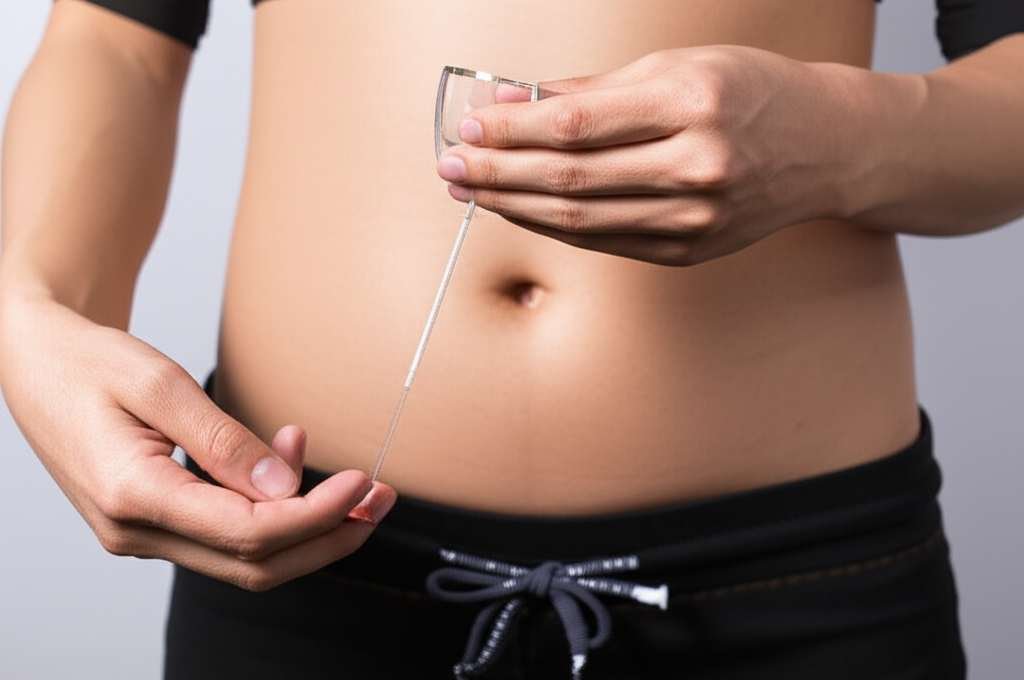
The truth about insulin and fat burn is simpler than you think! Insulin doesn’t stop fat burn completely. It just plays a role in how your body uses energy. Focus on healthy habits, and you’ll be burning fat like a champ!
Hey there, fitness rockstar! Feeling a bit lost when it comes to burning fat? You’re not alone. So many of us get bogged down by confusing science talk. We hear things like “insulin” and think, “Oh no, is that going to mess up my fat-burning goals?” It’s easy to feel overwhelmed and just want to throw in the towel. But guess what? Getting fit doesn’t have to be complicated. I’m here to break it all down for you, nice and simple. We’ll make burning fat feel fun and totally doable. Ready to ditch the confusion and start feeling amazing? Let’s go!
Understanding Insulin: Your Body’s Energy Manager
Let’s chat about insulin. Think of insulin as your body’s helpful traffic cop for energy. When you eat, especially carbs, your body breaks them down into sugar (glucose). Insulin’s main job is to move that sugar from your bloodstream into your cells for energy. It’s super important for keeping your blood sugar levels stable. Without insulin, that sugar would just hang out in your blood, which isn’t good.
So, does this mean insulin stops fat from burning? Not exactly! It’s more about what happens when you have a lot of insulin around. When insulin levels are high, your body tends to use the sugar you just ate for fuel. It’s like saying, “Hey, we just got a fresh delivery of energy, let’s use that first!” This can slow down the process of your body reaching into your fat stores for energy.
But here’s the key: it’s not a complete roadblock. Your body is always doing a few things at once. The goal is to create conditions where your body is more likely to tap into those fat stores. This means managing your insulin levels naturally through what you eat and how you move.

How to “Hack” Your Insulin for Fat Burn
You don’t need to be a science whiz to work with your body’s natural rhythms. It’s all about making smart, simple choices. We want to help your body become a more efficient fat-burning machine. That means keeping insulin levels from staying sky-high all the time.
1. Smart Carb Choices
Not all carbs are created equal! When you eat simple carbs like white bread, sugary drinks, or candy, your blood sugar spikes quickly. This causes a big insulin release. Over time, this can make it harder for your body to burn fat.
Instead, focus on complex carbohydrates. These are found in foods like:
- Whole grains (oats, brown rice, quinoa)
- Vegetables (broccoli, spinach, sweet potatoes)
- Fruits (berries, apples, bananas)
These foods release sugar more slowly into your bloodstream. This leads to a gentler insulin response. It’s like a steady fuel supply instead of a sudden rush.
2. Protein Power!
Protein is a fat-burning superhero. Eating enough protein helps you feel full longer. This means you’re less likely to overeat. Plus, your body uses more energy to digest protein compared to carbs or fats. This is called the thermic effect of food.
Good sources of protein include:
- Lean meats (chicken breast, turkey)
- Fish (salmon, tuna)
- Eggs
- Beans and lentils
- Tofu and tempeh
- Greek yogurt
Try to include a source of protein with every meal. It’s a simple step that makes a big difference.
3. Healthy Fats Are Your Friend
Don’t be afraid of fats! Healthy fats are crucial for hormone production and feeling satisfied. They also help slow down the absorption of sugar, which means a more balanced insulin response.
Incorporate these healthy fats:
- Avocados
- Nuts and seeds (almonds, chia seeds, flaxseeds)
- Olive oil
- Fatty fish (like salmon)
Just remember, fats are calorie-dense, so enjoy them in moderation.
4. Timing is Everything (Sometimes!)
When you eat matters. Constantly snacking, especially on carbs, keeps your insulin levels elevated. Giving your body breaks between meals allows insulin levels to drop. This is when your body can more easily access stored fat for energy.
Try to have a few hours between meals. Consider a longer fasting window overnight. This doesn’t mean you have to do extreme fasting. It’s simply about giving your body a break from constant digestion.
5. Move Your Body!
Exercise is one of the best ways to improve how your body uses insulin. When you exercise, your muscles use up glucose for energy. This helps lower blood sugar and makes your body more sensitive to insulin.
Both cardio and strength training are fantastic. Cardio burns calories and improves heart health. Strength training builds muscle, which boosts your metabolism even when you’re resting.
Here’s a quick look at how different types of exercise can help:
| Workout Type | How It Helps with Insulin & Fat Burn | Example Activities |
|---|---|---|
| Cardio (Aerobic) | Uses glucose for immediate energy, improves insulin sensitivity, burns calories. | Brisk walking, jogging, cycling, swimming, dancing. |
| Strength Training (Resistance) | Builds muscle which burns more calories at rest, improves insulin sensitivity, helps with body composition. | Lifting weights, bodyweight exercises (push-ups, squats), resistance bands. |
| HIIT (High-Intensity Interval Training) | Short bursts of intense exercise followed by brief rest. Very efficient for calorie burning and can significantly improve insulin sensitivity. | Sprints, burpees, jump squats with short recovery. |
Common Mistakes to Avoid
We all make mistakes, especially when we’re starting out. Here are a few common pitfalls to watch out for so you can stay on track with your fat-burning journey.
- Skipping Meals: This can lead to overeating later and unbalanced blood sugar.
- Relying on Sugary Drinks: These are empty calories that spike insulin.
- Fear of Carbs: Not all carbs are bad! Choose wisely.
- Not Enough Protein: Protein keeps you full and supports muscle.
- Too Much Processed Food: These often contain hidden sugars and unhealthy fats.
- Ignoring Sleep: Poor sleep can mess with your hormones, including those that control appetite and insulin.
- Thinking Perfection is Key: Progress, not perfection, is the goal!
Simple Steps to Start Today
Ready to put this into action? It’s easier than you think! Start small and build momentum.
Step 1: Hydrate!
Drink a big glass of water first thing in the morning. Staying hydrated is key for metabolism and overall health.
Step 2: Balanced Breakfast
Have a breakfast with protein and healthy fats. Think eggs with avocado, or Greek yogurt with berries and nuts. This helps set a stable energy tone for your day.
Step 3: Smart Snacking (If Needed)
If you need a snack, choose something with protein or fiber. An apple with almond butter, or a handful of almonds, are great choices.
Step 4: Midday Movement
Take a brisk 15-20 minute walk after lunch. This helps digest your food and keeps your energy up.
Step 5: Mindful Dinner
Include plenty of vegetables and a lean protein source for dinner. Try to finish eating a few hours before bed.
Step 6: Evening Wind-Down
Avoid sugary snacks or heavy meals before bed. A cup of herbal tea is perfect.
Sample Daily Plan for Fat Burning Support
Here’s a simple plan to give you an idea of how these principles can work in your day. Remember, this is just a template!
| Time | Meal/Activity | Notes |
|---|---|---|
| 7:00 AM | Wake Up & Water | Big glass of water. |
| 7:30 AM | Breakfast | 2 Scrambled eggs with spinach and 1/4 avocado. |
| 10:00 AM | Snack (Optional) | Small apple with 1 tbsp almond butter. |
| 12:30 PM | Lunch | Large salad with grilled chicken breast, mixed greens, cucumber, bell peppers, and olive oil vinaigrette. |
| 1:30 PM | Movement Break | 20-minute brisk walk. |
| 3:30 PM | Snack (Optional) | Handful of almonds or a small container of plain Greek yogurt. |
| 6:30 PM | Dinner | Baked salmon with roasted broccoli and a small portion of quinoa. |
| 8:30 PM | Wind Down | Herbal tea. Read a book. |
| 10:00 PM | Sleep | Aim for 7-9 hours of quality sleep. |
This plan focuses on whole foods, balanced macronutrients, and mindful eating. It helps keep insulin levels more stable throughout the day, supporting your fat-burning efforts.
Frequently Asked Questions
Got more questions? No worries! Here are some common ones I get.
How long does it take to burn fat?
Everyone is different! You might start noticing changes in how you feel within a week or two. Visible fat loss takes consistent effort over weeks and months. Focus on building healthy habits, and the results will follow.
What’s the best time to work out?
The best time is when you can stick to it consistently! Some people love morning workouts to get them energized. Others prefer evenings to de-stress. Listen to your body and find what works for your schedule and energy levels.
Do I need a gym to lose weight?
Absolutely not! You can get a fantastic workout at home with no equipment. Bodyweight exercises, walking, jogging, or using resistance bands are all great options. A gym can be helpful, but it’s not a requirement.
How can I stay motivated every day?
Find your “why”! Remind yourself why you started. Set small, achievable goals. Celebrate your wins, big or small! Find a workout buddy or join a supportive community. And remember, it’s okay to have off days; just get back on track.
What should I eat before or after exercise?
Before exercise, a light snack with carbs and a little protein (like a banana or a small handful of nuts) can provide energy. After exercise, focus on protein and carbs to help your muscles recover. A smoothie with protein powder and fruit is a great option.
How much water should I drink daily?
A good general guideline is about eight 8-ounce glasses (around 2 liters) per day. However, you might need more if you’re very active, it’s hot, or you’re feeling unwell. Listen to your thirst!
How many rest days should I take?
Rest days are crucial for muscle recovery and preventing burnout. For beginners, aim for 1-2 rest days per week. Listen to your body; if you feel overly sore or fatigued, take an extra rest day.
You’ve Got This!
So, does insulin prevent fat burn? The answer is nuanced, but the good news is you have a lot of control! By making smart food choices, staying active, and prioritizing sleep, you can help your body become an efficient fat-burning machine. It’s not about restrictive diets or grueling workouts. It’s about building sustainable, healthy habits that make you feel great from the inside out.
Remember, every small step you take is a victory. Whether it’s choosing water over soda, going for a walk, or adding more veggies to your plate, you’re moving forward. Be patient with yourself, celebrate your progress, and keep that positive energy flowing. You’re stronger and more capable than you think!
You’ve got this — one step, one day at a time!
As an Amazon Associate, We earn from qualifying purchases. When you purchase a product through Amazon links on pulsefitguide.com, we may earn a small commission at no extra cost to you. This helps support the site and keep our content free.