

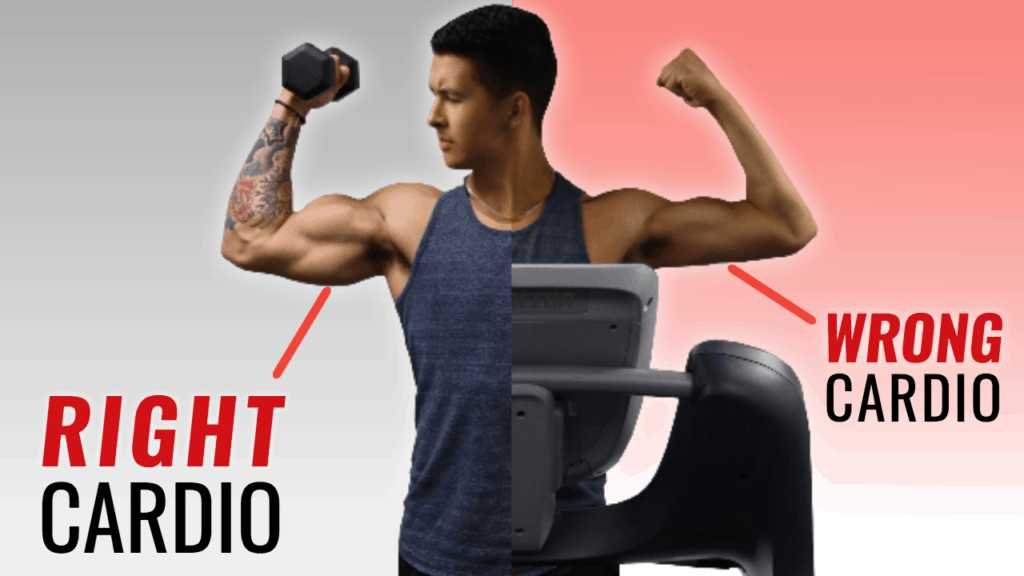
High-intensity cardio can indeed burn some muscle if not done properly, but it doesn’t have to lead to muscle loss if balanced correctly. The key is understanding how your body responds to intense exercise and adjusting your routine accordingly.
In short, high-intensity cardio can burn muscle, especially if done excessively or without proper nutrition. However, with the right approach—such as maintaining adequate protein intake and incorporating strength training—you can minimize muscle loss and enjoy the benefits of high-intensity workouts.
When you push your body to its limits through quick, intense bursts of activity like sprinting or HIIT, your body taps into fat stores for energy. But if you overdo it, especially without enough fuel or recovery, your muscles can start breaking down for energy. The challenge is balancing cardio with strength work and proper nutrition so you get fitter without losing muscle mass.

Does High Intensity Cardio Burn Muscle?
Many people ask whether doing high intensity cardio can lead to muscle loss. This concern is common among athletes and fitness enthusiasts who want to improve endurance without sacrificing strength. Understanding how high intensity workouts affect muscles helps you make better training choices.
How High Intensity Cardio Works
High intensity cardio includes exercises like sprinting, HIIT (High-Intensity Interval Training), and circuit training. These workouts push your heart rate close to maximum levels in short periods. The goal is to burn calories quickly and boost endurance in less time.
During high intensity sessions, your body relies on stored glycogen for energy. When glycogen is depleted, your body looks for alternative fuel sources, including fat and, sometimes, muscle tissue. This process impacts muscle preservation depending on several factors.
Does High Intensity Cardio Lead to Muscle Loss?
Understanding Muscle Breakdown
Muscle loss occurs when the body starts breaking down muscle fibers for energy. This usually happens if calorie intake is too low or if workouts are excessively long without proper recovery. High intensity cardio typically lasts shorter, which reduces the risk of significant muscle loss.
Research Findings on Muscle Catabolism
| Study | Findings |
|---|---|
| University of Florida Study | Participants doing HIIT showed minimal muscle loss compared to prolonged steady-state cardio. |
| Journal of Sports Sciences | Short, intense workouts preserved muscle mass better than extended, moderate exercises. |
Overall, short-term high intensity cardio generally does not cause muscle loss if combined with proper nutrition and strength training.
Factors Influencing Muscle Preservation During High Intensity Cardio
Nutrition Is Key
Consuming enough protein supports muscle repair and growth. A diet rich in lean proteins like chicken, fish, beans, and dairy helps prevent muscle breakdown during intense workouts.
Timing of Workouts and Nutrition
Eating carbohydrates and proteins shortly after high intensity sessions supplies nutrients needed for recovery. This practice helps your muscles rebuild faster and minimizes catabolism.
Exercise Routine Balance
Incorporating strength training alongside cardio helps maintain muscle mass. Avoid doing only cardio and neglecting resistance exercises.
Balancing Cardio and Muscle Gain
Designing a Well-Rounded Workout
Include resistance training at least two to three times a week. Focus on compound movements like squats, deadlifts, and bench presses to build muscle strength.
Adjusting Cardio Intensity and Duration
Limit high intensity sessions to 20-30 minutes if done daily. Longer sessions increase the risk of muscle depletion, especially without proper nutrition.
Preventive Strategies Against Muscle Loss
Proper Protein Intake
- Consume 1.2 to 2.0 grams of protein per kilogram of body weight daily.
- Distribute protein intake evenly across meals.
Incorporate Recovery Periods
Give your muscles time to rest and recover between high intensity workouts. Adequate sleep and rest days are essential for muscle maintenance.
Use Active Recovery Techniques
Engage in light activities like walking or yoga on rest days. These promote blood flow and help muscles recover without overtraining.
Related Topics
- Difference Between Steady-State Cardio and High Intensity Interval Training
- Best Nutrition for Muscle Preservation During Cardio
- Strength Training Tips for Athletes Focusing on Cardio Endurance
- Signs You Are Losing Muscle Mass
Understanding whether high intensity cardio burns muscle depends on how you approach your workouts and nutrition. When done correctly with proper diet, recovery, and resistance exercises, high intensity sessions are unlikely to cause muscle loss. Instead, they can complement your overall fitness goals by improving endurance, burning calories, and maintaining muscle mass.
Frequently Asked Questions
Can engaging in high-intensity cardio lead to muscle loss over time?
Yes, doing high-intensity cardio without proper nutrition or recovery can cause muscle loss. When the body exhausts its glycogen stores during intense exercise, it may start breaking down muscle tissue for energy. To prevent this, ensure you consume enough protein and carbohydrates, and incorporate strength training into your routine to preserve muscle mass.
Does the timing of high-intensity cardio sessions affect muscle preservation?
Performing high-intensity cardio immediately after weight training can increase muscle fatigue, but it doesn’t necessarily harm muscle. However, doing cardio on an empty stomach or during periods of calorie deficit might increase the risk of muscle breakdown. Scheduling cardio sessions appropriately and maintaining a balanced diet helps protect your muscles.
What strategies can I use to minimize muscle loss while doing high-intensity cardio?
You can minimize muscle loss by incorporating sufficient protein intake, staying hydrated, and including strength training in your workout plan. Additionally, keep cardio sessions moderate in duration and intensity, and focus on recovery by resting adequately between workouts. These practices support muscle maintenance even during high-intensity training phases.
How does high-intensity cardio compare to other forms of cardio regarding muscle preservation?
High-intensity cardio can be more demanding than steady-state cardio, increasing the risk of muscle loss if not managed properly. Steady-state cardio tends to be gentler on muscles, especially when performed at moderate intensity for longer durations. Balancing both types and combining them with proper nutrition helps maintain muscle mass effectively.
Is it necessary to consume extra calories when doing high-intensity cardio frequently?
Yes, frequent high-intensity cardio increases calorie expenditure, which can lead to muscle breakdown if you do not compensate with enough nutritional intake. Consuming enough calories, particularly from protein and healthy fats, supports recovery and preserves muscle tissue during intense training periods.
Final Thoughts
High intensity cardio can burn calories quickly and boost your endurance.
However, its impact on muscle mass varies based on how you train and your diet.
Some may worry that it causes muscle loss, but proper nutrition and strength training help prevent this.
In conclusion, does high intensity cardio burn muscle? Not necessarily, if you balance it with strength exercises and adequate protein intake.
As an Amazon Associate, We earn from qualifying purchases. When you purchase a product through Amazon links on pulsefitguide.com, we may earn a small commission at no extra cost to you. This helps support the site and keep our content free.