

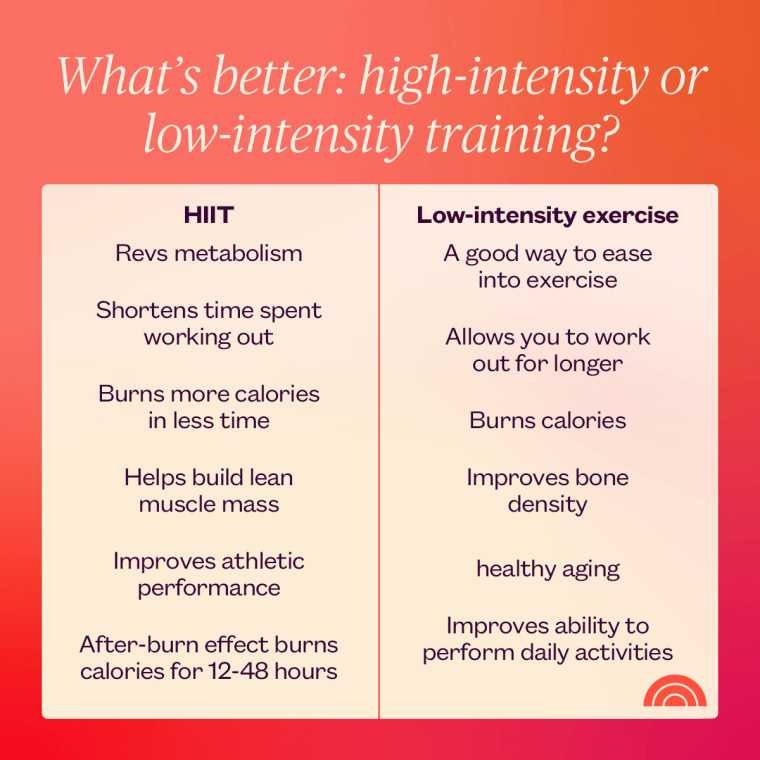
Yes, high intensity cardio can effectively burn fat, especially when done consistently and combined with a proper diet. It boosts your metabolism, helps you burn more calories in less time, and can lead to significant fat loss over time.
In brief, high intensity cardio is one of the most efficient ways to shed unwanted fat because it elevates your heart rate quickly and keeps it elevated for a period afterward, thanks to the afterburn effect. This means you continue burning calories even after your workout ends. Keep reading to discover how this type of exercise works, its benefits, and tips to maximize fat burning with high intensity cardio.
Jumping into a workout that pushes your limits might seem daunting, but high intensity cardio has become a go-to for many looking to burn fat fast. Unlike steady-state cardio, where you maintain a moderate pace for a longer period, high intensity sessions involve short bursts of maximum effort followed by brief recovery periods. This approach not only keeps your workout engaging but also ramps up calorie burn and accelerates fat loss. Whether it’s sprinting, cycling, or circuit training, these vigorous efforts challenge your body to adapt quickly, leading to noticeable improvements in body composition. If burning fat efficiently is your goal, understanding how to incorporate high intensity cardio into your routine can make a real difference.

Does High Intensity Cardio Burn Fat? Exploring the Truth
What Is High Intensity Cardio?
High intensity cardio, or high intensity interval training (HIIT), involves short bursts of intense exercise followed by rest or low-intensity periods. This type of workout pushes your body close to its maximum effort in a brief time. Many people choose HIIT because it can be completed quickly but still offer significant health benefits.
How Does Your Body Burn Fat During Exercise?
During physical activity, your body burns calories from carbohydrates and fat. In general, lower intensity workouts burn a higher percentage of calories from fat. Conversely, higher intensity workouts burn more calories overall, with a larger proportion coming from carbs. The key question is whether high intensity cardio makes your body burn fat more efficiently despite the higher carb usage.
Does High Intensity Cardio Burn More Calories?
Studies show that high intensity cardio burns more total calories in less time compared to moderate workouts. This is because your heart rate reaches higher levels, demanding more energy. Burning more calories helps create a calorie deficit, which is necessary for fat loss.
How Does High Intensity Cardio Affect Fat Burning?
While high intensity cardio primarily uses carbs for energy during the workout, it also boosts fat loss afterward through a process called excess post-exercise oxygen consumption (EPOC). EPOC causes your body to continue burning calories after exercise to recover, often from fat stores.
Post-Exercise Fat Burn and EPOC
After high intensity workouts, your body consumes more oxygen to repair muscles and restore energy. This process can last for several hours, during which your body uses stored fat for energy. Therefore, even though carbs are mainly used during the activity, fat burning continues afterward.
High Intensity Cardio versus Steady-State Cardio
Many people wonder if high intensity cardio is better for fat loss than steady-state cardio. Steady-state exercises involve maintaining a moderate effort for longer periods, like jogging or cycling. Both methods burn calories, but high intensity workouts often lead to faster fat loss due to increased calorie burn and EPOC.
Comparing the Fat Burning Effect
| Aspect | High Intensity Cardio | Steady-State Cardio |
|———|———————-|———————|
| Calories Burned During Workout | Higher | Lower |
| Post-Workout Fat Burn | Significant | Less |
| Time Required | Less | Longer sessions needed |
| Impact on Muscle Mass | Can be more effective | Less demanding on muscles |
What Does Science Say About High Intensity Cardio and Fat Loss?
Research confirms that high intensity cardio can effectively promote fat loss, especially when combined with proper diet. Participants in HIIT programs often see more significant body composition improvements within shorter periods. The combination of calorie burn and post-exercise fat oxidation makes it a popular choice for weight loss.
How Often Should You Do High Intensity Cardio?
For effective fat loss, experts recommend doing high intensity cardio workouts about three to four times a week. It’s important to allow your body enough recovery time between sessions. Incorporate rest days and listen to your body to prevent overtraining and injury.
Is High Intensity Cardio Suitable for Everyone?
While high intensity workouts provide benefits, they may not be suitable for all. People with certain health conditions or beginners should consult with a healthcare professional before starting HIIT. Beginners can start with moderate intensity and gradually increase effort over time.
Modifications and Precautions
- Start with shorter intervals, such as 20 seconds of effort followed by 40 seconds of rest.
- Choose low-impact exercises if joint pain is a concern.
- Always warm up before exercising and cool down afterward.
Enhancing Fat Loss with Nutrition and Lifestyle
High intensity cardio works best when combined with healthy eating habits. Focus on a balanced diet rich in proteins, healthy fats, and complex carbs. Staying hydrated and getting enough sleep also support your fat-burning efforts.
Additional Tips for Better Results
- Maintain a slight calorie deficit daily.
- Combine cardio with strength training for more muscle and higher metabolism.
- Track your progress to stay motivated and make adjustments if needed.
Summary
High intensity cardio effectively burns calories and enhances fat loss, especially due to increased post-exercise calorie consumption. While it may rely on carbohydrate stores during the workout, the overall effect promotes fat burning through higher total calorie expenditure and EPOC. For best results, incorporate high intensity sessions into a balanced fitness routine and complement them with proper nutrition.
Related Topics to Explore
- Benefits of combining strength training with cardio
- How to create an effective HIIT workout
- The role of diet in maximizing fat loss
- Impact of rest and recovery on fitness progress
Frequently Asked Questions
How does high-intensity cardio affect fat metabolism during exercise?
High-intensity cardio stimulates your body’s fat metabolism by increasing the demand for energy. When you perform such workouts, your body efficiently taps into fat stores to meet the energy requirements, especially during the recovery phase. This type of exercise elevates your heart rate, which enhances calorie burn and promotes the utilization of fat as a fuel source.
Can performing high-intensity cardio lead to long-term fat loss results?
Yes, consistently engaging in high-intensity cardio can contribute to significant long-term fat loss. This exercise burns a high number of calories in a shorter period, creating a calorie deficit essential for fat reduction. Over time, it helps reshape your body composition by reducing fat stores and increasing muscle tone.
Is high-intensity cardio safe for everyone aiming to burn fat?
While high-intensity cardio is effective for fat burning, it may not be suitable for everyone, particularly individuals with certain health conditions or those new to exercise. It’s important to consult with a healthcare professional or fitness expert before starting such workouts to ensure safety and receive guidance tailored to your fitness level.
How does the afterburn effect in high-intensity cardio contribute to fat burning?
The afterburn effect, or excess post-exercise oxygen consumption (EPOC), occurs when your body continues to burn calories after completing a high-intensity workout. This process helps increase overall fat expenditure, as your body works to restore oxygen levels, repair tissues, and clear metabolic waste, leading to additional fat loss over time.
What role does intensity play in maximizing fat burn during cardio sessions?
Higher intensity levels push your body to work harder, which boosts calorie expenditure and accelerates fat burning. By maintaining a challenging pace, you stimulate greater metabolic activity, leading to more effective fat loss compared to lower-intensity exercises. Incorporating interval training can optimize these benefits by alternating periods of high and moderate intensity.
Final Thoughts
High intensity cardio effectively burns calories and promotes fat loss. It increases your metabolism during and after the workout, which helps in reducing body fat. However, consistency and proper nutrition are key for sustained results.
Does high intensity cardio burn fat? Yes, it does, especially when combined with a balanced diet. Incorporating such workouts into your routine enhances overall fat reduction. Keep pushing yourself, and you’ll see progress over time.
As an Amazon Associate, We earn from qualifying purchases. When you purchase a product through Amazon links on pulsefitguide.com, we may earn a small commission at no extra cost to you. This helps support the site and keep our content free.