

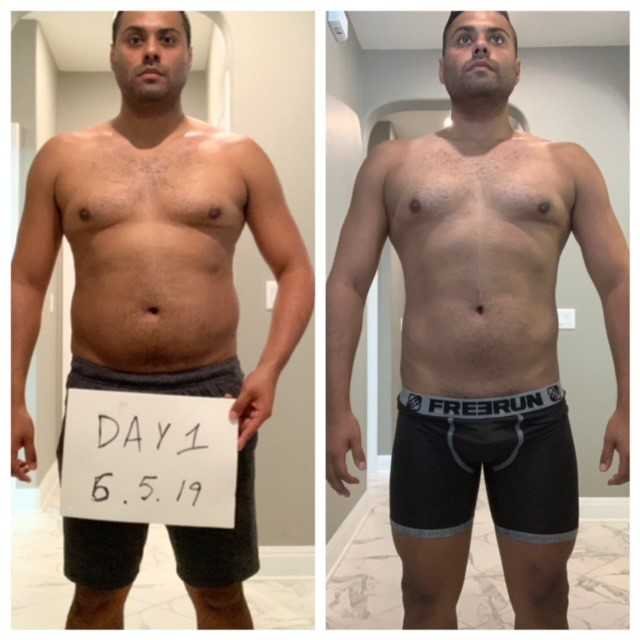
Yes, gynecomastia can often improve with weight loss, but it doesn’t always disappear completely. Shedding excess fat can reduce the appearance of enlarged breast tissue caused by fat deposits, but if the glandular tissue is involved, weight loss alone might not suffice. Consulting a healthcare professional is advisable for persistent cases.
Losing weight can be a game-changer for men dealing with gynecomastia, especially if the condition is partly due to excess fat. For some, weight loss reduces the overall breast size and improves confidence, but in others, especially where glandular tissue has developed, additional treatments may be necessary. It’s important to understand that gynecomastia can be caused by hormonal imbalances, medications, or other underlying health issues, so a comprehensive approach often yields the best results. If you’re wondering whether shedding pounds will make your gyno go away, it’s worth exploring both lifestyle changes and medical options for a tailored solution.

Does Gyno Go Away with Weight Loss?
Understanding Gynecomastia and Its Causes
Gynecomastia, often called “gyno,” is the enlargement of breast tissue in males. It happens when there is an imbalance between hormones called estrogen and testosterone. This condition can affect one or both breasts, making them appear larger or swollen.
Several factors can cause gynecomastia, including natural hormonal changes during puberty, aging, certain medications, or underlying health conditions. Sometimes, it results from excess body fat, especially if fat accumulates around the chest area. Knowing the cause helps in choosing the right treatment options.
Is Gynecomastia Mainly Fat or Glandular Tissue?
Gynecomastia involves two types of tissue: fat tissue and glandular tissue.
- Fatty Gynecomastia: This occurs when excess fat deposits build up in the chest area. It gives the appearance of enlarged breasts but is primarily due to fat.
- Glandular Gynecomastia: This involves the growth of actual breast gland tissue. It often feels firm or rubbery to the touch.
Sometimes, both types are present, which can make treatment more complicated. Understanding whether the enlargement is mainly fat or glandular tissue influences whether weight loss alone can reduce the appearance of gynecomastia.
Can Weight Loss Reduce Gynecomastia?
If gynecomastia is mostly caused by excess fat, losing weight can help reduce its size. Weight loss decreases overall body fat, including fat in the chest area, which may lead to a flatter, more toned chest.
However, when glandular tissue is involved, weight loss alone may not eliminate the enlarged breast tissue. It’s essential to differentiate between fatty gynecomastia and glandular gynecomastia to set realistic expectations.
How to Determine If Your Gyno Is Fatty or Glandular?
Testing whether gynecomastia is mainly fat or tissue can involve:
- Clinical examination by a healthcare provider who can feel the tissue
- Imaging tests such as ultrasound or mammography to assess tissue composition
- Reviewing medical history and any medications that may cause hormonal imbalance
Accurate diagnosis helps decide whether lifestyle changes like weight loss are enough or if medical treatments are necessary.
Effective Weight Loss Strategies for Reducing Chest Fat
Losing weight to reduce gyno involves combined efforts in diet, exercise, and lifestyle adjustments.
Diet Tips for Fat Loss
– Focus on a balanced diet rich in vegetables, fruits, lean proteins, and whole grains.
– Limit intake of sugars, processed foods, and high-fat snacks.
– Practice portion control to create a calorie deficit, which promotes fat loss.
– Stay hydrated and avoid sugary drinks, including sodas and fruit juices.
Exercise Routines Targeting Chest Fat
While spot reduction is a myth, overall body fat reduction benefits the chest area.
- Cardio exercises like brisk walking, cycling, or swimming help burn calories fast.
- Strength training, especially chest exercises like push-ups, bench presses, and dumbbell flyes, can build muscle and improve chest appearance.
- Incorporate full-body workouts to boost metabolism and promote more fat burning.
Consistency is key; aiming for at least 150 minutes of moderate exercise weekly can produce noticeable results.
Other Lifestyle Factors That Influence Gyno Reduction
Apart from diet and exercise, other elements can impact the reduction of gynecomastia through weight loss.
- Avoiding alcohol and recreational drugs, which can influence hormone levels
- Managing stress, since high stress might affect hormone balance
- Ensuring adequate sleep, as poor sleep impacts hormonal health
Making these adjustments supports your weight loss journey and can improve chest appearance over time.
When Weight Loss Is Not Enough: Medical and Surgical Options
If gynecomastia persists despite weight loss efforts, it might be glandular or due to other causes. In these cases, medical treatments or surgery may be recommended.
Medications
Certain medications can treat hormonal imbalances causing gynecomastia. These include hormone-modulating drugs prescribed by a doctor.
Surgical Treatments
– Male Breast Reduction Surgery: Removes excess glandular tissue and fat to flatten the chest.
– Liposuction: Targets fatty tissue but doesn’t remove glandular tissue.
Surgery provides a permanent solution but involves recovery time and potential risks. Consulting with a healthcare provider helps determine the best approach.
Important Considerations Before Starting Weight Loss for Gynecomastia
Before beginning a weight loss program, consider these:
- Get a professional evaluation to rule out other causes of breast enlargement
- Set realistic goals based on your body type and health status
- Understand that gradual weight loss is safer and more sustainable
- Maintain patience, as chest fat reduction takes time
Having realistic expectations ensures you stay motivated and achieve the best results.
Summary of Key Points
| Factor | Impact on Gyno Reduction |
|---|---|
| Fatty Gynecomastia | Typically improves with weight loss |
| Glandular Gynecomastia | Likely requires medical or surgical intervention |
| Exercise and diet | Help reduce overall fat including chest area |
| Hormonal imbalance | May need medication to correct |
Knowing these distinctions helps in planning the best approach to addressing gynecomastia.
Related Topics to Explore
– Hormonal therapies for gynecomastia
– Psychological effects of gynecomastia and support options
– Differences between gynecomastia and pseudogynecomastia
– Supporting emotional health during body changes
– Tips for maintaining weight loss long-term
By understanding the causes, options, and realistic expectations, you’re better equipped to handle gynecomastia effectively. Weight loss can significantly improve some cases, especially fatty gynecomastia, but it’s important to recognize when other treatments are necessary.
🏋️♂️ Can You Lose Chest Fat with Exercise? The Truth About Gynecomastia! 💪
Frequently Asked Questions
Can losing weight reduce the appearance of gynecomastia permanently?
Losing weight can decrease fat deposits in the chest area, making the gynecomastia less noticeable. However, if the gland tissue itself has enlarged, weight loss alone may not completely eliminate the condition. In some cases, the swelling persists despite significant weight reduction, which might require medical intervention or surgery for complete resolution.
Does weight loss improve the firmness of the chest in gynecomastia cases?
Weight loss may help reduce overall chest fat, giving the chest a firmer appearance. Yet, if gynecomastia involves glandular tissue enlargement, fat loss alone will not restore firmness. Combining weight loss with targeted chest exercises can improve muscle tone, but for gland-related swelling, medical options could be necessary.
How long does it typically take to see improvements in gynecomastia after losing weight?
The timeline varies depending on the individual’s body and the severity of gynecomastia. Some people notice a reduction in chest size within a few months of consistent weight loss efforts. However, if the condition involves hard tissue, visible changes might happen more slowly or not at all without additional treatments.
Can diet changes alone make gynecomastia go away?
A healthy diet can help reduce overall body fat, which may lessen the fatty component of gynecomastia. However, if glandular breast tissue has enlarged, diet modifications alone are unlikely to resolve the condition. Combining dietary adjustments with exercise is typically more effective for visible improvements.
What is the role of exercise in managing gynecomastia during weight loss?
Exercise, especially strength training and chest-focused workouts, can help tone the chest muscles and improve overall appearance. While exercise aids in fat loss, it does not directly reduce glandular tissue. Incorporating physical activity improves muscle definition but may not fully resolve gynecomastia caused by tissue enlargement.
Final Thoughts
Gyno, or gynecomastia, may improve with weight loss, but it doesn’t always go away completely. Fat reduction can reduce breast size if excess fat causes the appearance. However, if gland tissue is responsible, weight loss alone often isn’t enough. Consulting a healthcare professional helps determine the best treatment approach.
In conclusion, does gyno go away with weight loss? Sometimes, but not always. Addressing underlying causes ensures better results and helps you feel confident in your body.
As an Amazon Associate, We earn from qualifying purchases. When you purchase a product through Amazon links on pulsefitguide.com, we may earn a small commission at no extra cost to you. This helps support the site and keep our content free.