

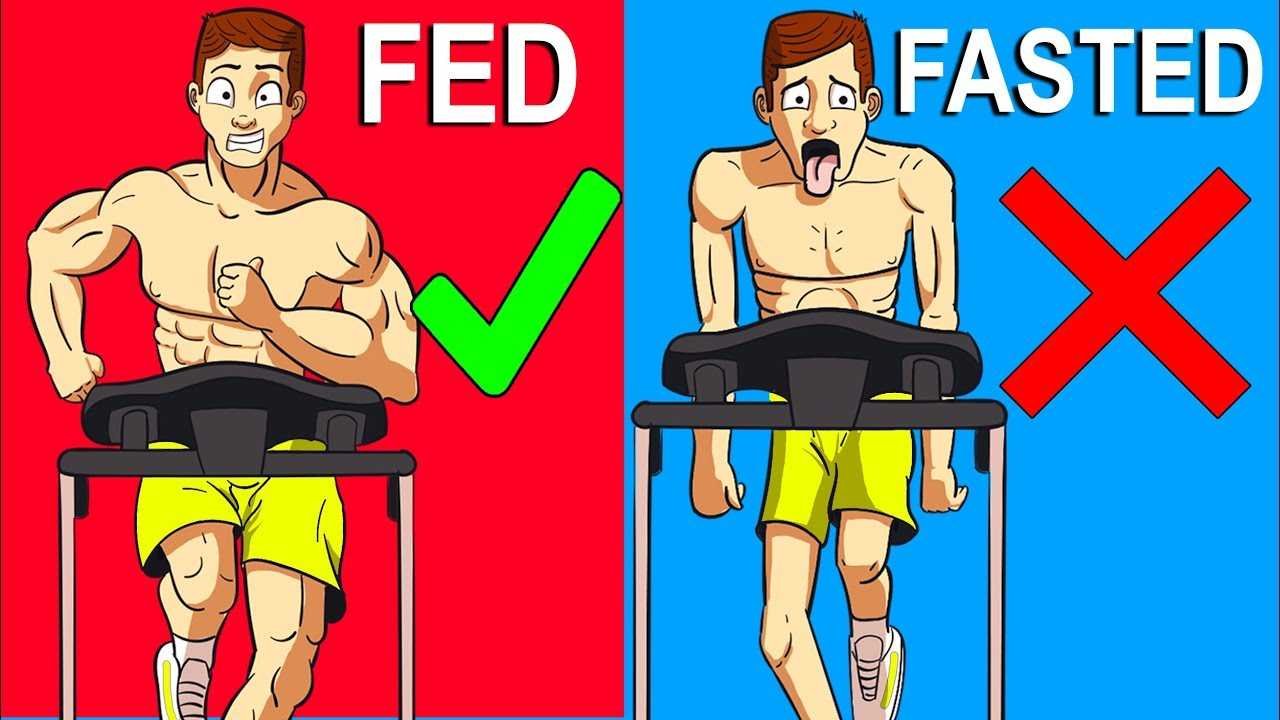
Fasted cardio is often praised for its fat-burning potential, but many wonder if it comes at the cost of muscle loss. The quick answer is that while fasted cardio can sometimes lead to muscle breakdown, especially if done excessively or without proper nutrition, it doesn’t necessarily have to. With the right approach, you can enjoy the benefits of fasted workouts without sacrificing muscle mass.
In essence, fasted cardio can help burn fat more efficiently for some people, but it also carries the risk of muscle loss if your body begins to use muscle protein for energy. The key lies in balancing your workouts with adequate protein intake and not overdoing cardio sessions. Understanding how your body responds is crucial to maximizing fat loss while protecting your muscles.

Does Fasted Cardio Burn Muscle?
Understanding Fasted Cardio
Fasted cardio is exercise done before eating in the morning, usually after sleeping overnight. Many people believe that working out on an empty stomach helps burn more fat. However, there is concern that it might also cause muscle loss if not done correctly.
How the Body Uses Energy During Exercise
During cardio, your body needs energy to move your muscles. It primarily gets this energy from carbs and fats stored in your body. When you haven’t eaten for a while, your body might turn to stored fat and muscle protein for fuel.
Carbohydrates as First Choice
Your body prefers carbs for quick energy. When you eat, carbs are stored as glycogen in muscles and the liver. During exercise, glycogen is broken down first to supply energy.
Fats as an Alternative
If glycogen stores are low, your body increases fat breakdown. This process is slower but provides a steady energy supply during longer workouts.
Muscle Protein as Last Resort
When glycogen and fat are insufficient, your body may break down muscle protein to get amino acids needed for energy. This process is more likely if exercise is prolonged or intense without proper nutrition.
Does Fasted Cardio Lead to Muscle Loss?
The main concern with fasted cardio is that it could cause muscle breakdown. Several factors influence whether this happens, including workout duration, intensity, and your overall diet.
Research Findings
Studies show mixed results. Some research indicates that fasted cardio can increase fat oxidation. However, it also suggests that prolonged fasted workouts might lead to muscle loss if protein intake isn’t adequate afterward.
How Muscle Breakdown Occurs
Muscle breakdown happens when the body perceives a deficit of energy and amino acids. This is more common during extended fasted cardio sessions lasting over an hour or intense workouts without nutrition support.
How to Minimize Muscle Loss During Fasted Cardio
You can perform fasted cardio without risking much muscle loss by following certain strategies.
Keep Workout Duration Short
Limit cardio sessions to 30 to 45 minutes to reduce the risk of muscle breakdown. Longer workouts increase the chances of your body turning to muscle for energy.
Maintain Adequate Protein Intake
Eating enough protein throughout the day helps supply amino acids necessary for muscle repair and growth. Consuming protein after your workout is especially important.
Incorporate Resistance Training
Adding strength exercises helps preserve muscle mass. Resistance workouts signal your body to maintain muscle rather than break it down.
Stay Hydrated and Consider BCAAs
Hydration improves recovery, and Branched-Chain Amino Acids (BCAAs) can support muscle preservation during fasted exercise. They provide amino acids directly to muscles, reducing breakdown.
Practical Tips for Safe Fasted Cardio
To get the benefits without risking muscle loss, follow these tips.
- Begin with low to moderate intensity workouts.
- Limit session length to less than 45 minutes.
- Consume a protein-rich meal post-workout.
- Consider having a small carbohydrate snack if energy feels low.
- Listen to your body and avoid overexertion.
Different Types of Cardio and Their Impact
Different cardio types affect muscle differently, especially when done fasting.
Steady-State Cardio
Activities like jogging, cycling, or brisk walking at a steady pace are less likely to cause muscle loss if kept moderate and within a reasonable time frame.
High-Intensity Interval Training
HIIT involves short bursts of intense activity. Though effective for fat burning, doing HIIT on an empty stomach requires caution, as it may increase muscle breakdown if not well-managed.
Low-Impact Cardio
Swimming or rowing can be gentle on muscles while helping burn fat. These activities are suitable for fasted workouts if performed at moderate intensity.
Balancing Fat Loss and Muscle Maintenance
Achieving fat loss without losing muscle requires a careful approach.
| Factor | Approach |
|---|---|
| Workout Duration | Keep sessions under 45 minutes |
| Intensity | Moderate intensity is safest |
| Nutrition | Eat sufficient protein and carbohydrates post-workout |
| Strength Training | Include resistance exercises regularly |
| Recovery | Prioritize rest and proper hydration |
Summary of Key Points
- Fasted cardio can increase fat oxidation but may pose a risk of muscle loss if done incorrectly.
- Short, moderate-intensity workouts are less likely to cause muscle breakdown.
- Consuming protein after exercise helps protect muscle mass.
- Incorporating resistance training and proper nutrition is essential.
- Listening to your body and adjusting workout length and intensity can prevent unwanted muscle loss.
Related Topics
- Best post-workout nutrition for muscle recovery
- How to structure a workout plan for fat loss and muscle gain
- Benefits and risks of intermittent fasting for fitness
- Differences between fasted and fed workouts
In summary, while fasted cardio can be an effective way to burn fat, it often carries the risk of muscle loss if not managed properly. Keeping workouts short, maintaining good nutrition, and including strength training can help you achieve your fitness goals without sacrificing muscle mass.
Frequently Asked Questions
Can doing fasted cardio lead to muscle loss over time?
Yes, performing fasted cardio can result in muscle loss if not managed properly. When your body is in a fasted state, it may turn to muscle tissue for energy, especially if your glycogen stores are depleted. To minimize muscle loss, ensure you consume adequate protein after your workout and incorporate strength training into your routine.
How does fasted cardio affect muscle recovery after workouts?
Fasted cardio can sometimes slow down muscle recovery because your body lacks the readily available energy from recent food intake. Without proper post-workout nutrition, your muscles may not receive enough nutrients to repair and grow, which could hamper overall recovery. Eating a meal rich in protein and carbohydrates soon after exercise supports recovery processes.
Are certain types of cardio safer for preserving muscle mass during fasted training?
Low to moderate-intensity cardio activities, like walking or cycling, tend to be safer for preserving muscle during fasted workouts. These activities put less stress on muscle tissues compared to high-intensity or prolonged cardio sessions, reducing muscle breakdown risks. Combining fasted cardio with strength training further promotes muscle preservation.
Does the duration of fasted cardio impact muscle retention?
Yes, longer fasted cardio sessions, especially those exceeding 60 minutes, increase the likelihood of muscle breakdown. Shorter sessions, around 30 to 45 minutes, are less likely to cause significant muscle loss if complemented with proper nutrition and training strategies. Managing workout duration helps protect muscle mass while still achieving cardiovascular benefits.
What dietary strategies can help prevent muscle loss during fasted cardio?
Consuming a protein-rich meal before your fasted cardio session can provide your muscles with amino acids, reducing breakdown. Additionally, eating a balanced meal containing carbs and proteins post-workout supports muscle repair. Staying hydrated and considering supplementing with BCAAs during exercise can also protect muscle tissue.
Final Thoughts
Fasted cardio can be effective for fat loss, but many worry about muscle loss. Some studies suggest that exercising in a fasted state might increase muscle breakdown, especially if done excessively. However, maintaining a high-protein diet and including strength training helps preserve muscle.
In conclusion, does fasted cardio burn muscle? It can, if done improperly or without proper recovery strategies. To minimize muscle loss, balance your workouts and nutrition.
As an Amazon Associate, We earn from qualifying purchases. When you purchase a product through Amazon links on pulsefitguide.com, we may earn a small commission at no extra cost to you. This helps support the site and keep our content free.