
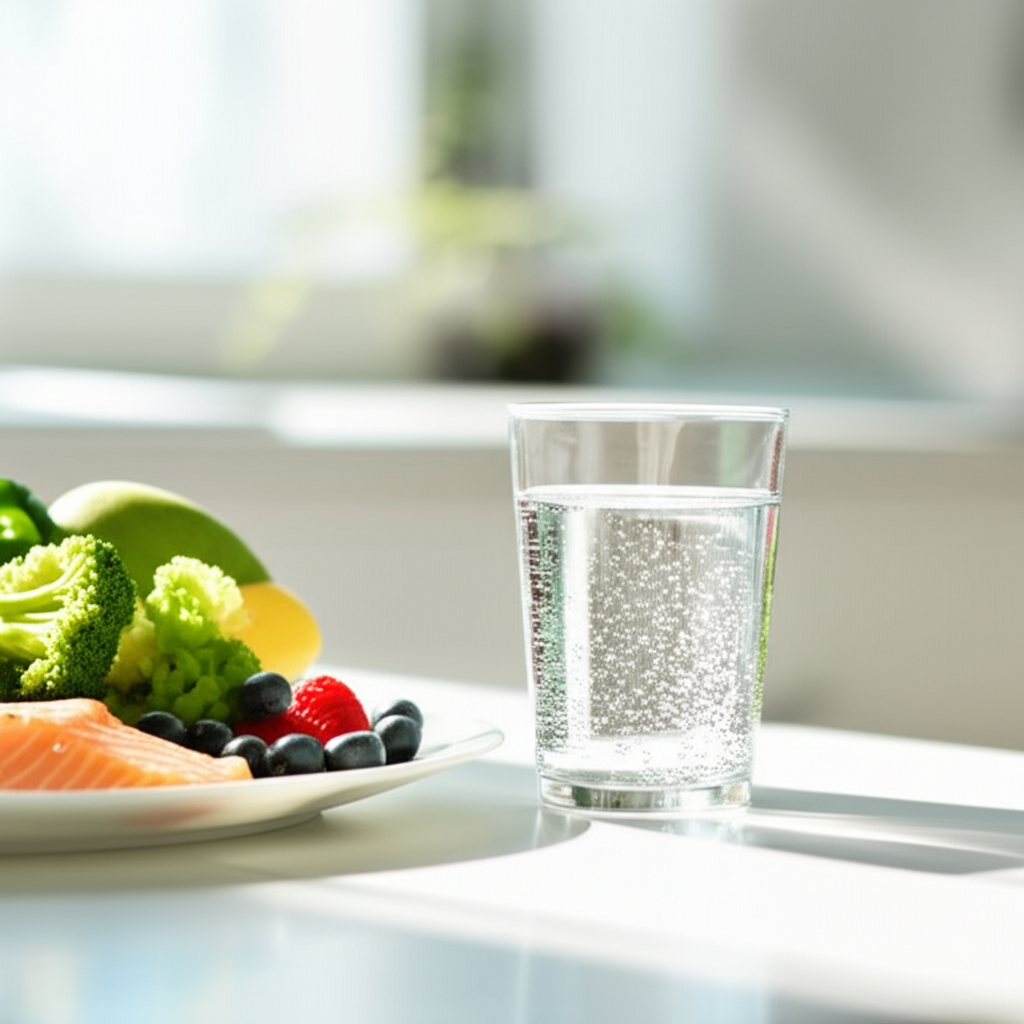
Yes, drinking water can absolutely help you lose weight by boosting your metabolism, making you feel fuller, and aiding in fat breakdown. It’s a simple, free, and essential tool for anyone looking to shed pounds.
Feeling like weight loss is a big puzzle with missing pieces? You’re not alone! Many of us hear different tips and tricks, and it can get confusing fast. One of the simplest, yet most powerful, tools for weight loss is something you probably have access to right now: water!
You might be wondering, “Can plain old water really make a difference?” The answer is a resounding yes! In this guide, we’ll break down exactly how drinking water can support your weight loss journey, making it easier to understand and put into action. Get ready to unlock a surprisingly effective secret weapon.
The Science Behind Water and Weight Loss
It might seem too simple, but water plays a crucial role in many bodily functions, including those related to weight management. When you’re trying to lose weight, understanding these mechanisms can be super motivating. Let’s dive into how staying hydrated helps your body work smarter, not harder, towards your goals.
1. Boosting Your Metabolism (Thermogenesis)
Did you know that drinking water can actually give your metabolism a little kickstart? This process is called water-induced thermogenesis. When you drink a glass of cold water, your body has to work a bit harder to warm it up to body temperature. This extra effort burns calories!
Think of it like this: your body is a furnace, and it uses energy to maintain its internal temperature. When you introduce something cold, the furnace has to fire up a bit more to compensate. While the number of calories burned from drinking water alone isn’t massive, it adds up over time, especially when combined with other healthy habits. For instance, studies suggest that drinking about 500ml (around 17 ounces) of water can increase your metabolic rate by up to 30% for about an hour afterwards. This effect is more pronounced with cold water.
According to research published in the US National Library of Medicine, this metabolic boost is a real phenomenon that can contribute to daily calorie expenditure. It’s a gentle nudge to your body’s natural fat-burning capabilities.
2. Making You Feel Fuller (Appetite Suppression)
One of the biggest hurdles in weight loss is managing hunger. Drinking water before meals can be a game-changer. When you fill your stomach with water, it takes up space, signaling to your brain that you’re full. This can lead you to eat less during your meal.
Imagine sitting down for lunch. If you’ve had a glass or two of water beforehand, your stomach is already partially full. This means you’re less likely to overeat or crave those extra, high-calorie snacks. Studies have shown that people who drink water before meals consume fewer calories overall.
For example, a study involving overweight adults found that drinking 500ml of water 30 minutes before each of their three main meals per day led to significant weight loss compared to a control group. They not only ate less but also experienced a greater reduction in body weight, body fat, and waist circumference. This is a fantastic, practical strategy for controlling portion sizes and calorie intake without feeling deprived.
3. Helping Your Body Burn Fat (Lipolysis)
Water is essential for almost every bodily process, and fat metabolism is no exception. The process of breaking down fat for energy is called lipolysis. This process requires water to function efficiently.
When your body is dehydrated, it struggles to perform all its functions optimally, including breaking down stored fat. Staying well-hydrated ensures that your kidneys can filter waste products effectively and that your body has enough water to carry out the necessary chemical reactions for fat breakdown. Without adequate water, the body may even hold onto fat stores more readily.
This means that while water itself doesn’t magically melt fat, it creates the ideal internal environment for your body to do what it’s designed to do – burn fat for fuel, especially when you’re also engaging in physical activity and eating a balanced diet.
4. Flushing Out Toxins and Waste
Your body produces waste products as a result of metabolism and digestion. Water is crucial for helping your kidneys filter these waste products from your blood and excrete them through urine. It also helps your bowels function properly, preventing constipation and aiding in the elimination of waste.
When your body is well-hydrated, your kidneys can work more efficiently, and your digestive system runs smoothly. This overall improved efficiency can contribute to a healthier body that is better equipped for weight loss. Think of water as the internal cleaning crew that keeps everything running smoothly!
How Much Water Should You Drink for Weight Loss?

The “eight glasses a day” rule is a good starting point, but your individual needs can vary. Factors like your activity level, climate, and overall health play a role. For weight loss, aiming for slightly more might be beneficial.
Here’s a general guideline:
- General Recommendation: Aim for at least 8 cups (64 ounces or about 2 liters) of water per day.
- For Weight Loss: Many experts suggest increasing this to 10-12 cups (80-96 ounces or about 2.5-3 liters) per day, especially if you are active.
- Listen to Your Body: Thirst is a primary indicator. If you feel thirsty, drink water!
- Urine Color: Aim for pale yellow urine. Dark yellow can indicate dehydration.
It’s important to note that these are general guidelines. If you have any underlying health conditions, it’s always best to consult with your doctor about your specific fluid needs.
Practical Ways to Drink More Water
Knowing you should drink more water is one thing, but actually doing it can be another. Here are some simple, practical tips to help you increase your water intake throughout the day:
- Carry a Water Bottle: Keep a reusable water bottle with you at all times. Seeing it will remind you to sip throughout the day.
- Set Reminders: Use your phone or a smart watch to set hourly reminders to drink water.
- Drink Before Meals: Make it a habit to drink a glass of water 20-30 minutes before each meal.
- Flavor Your Water Naturally: If plain water is boring, add slices of lemon, lime, cucumber, mint, or berries.
- Drink Water When You Wake Up: Start your day with a glass of water to rehydrate after sleeping and kickstart your metabolism.
- Choose Water Over Sugary Drinks: Swap sodas, juices, and sweetened coffees/teas for water. This saves calories and sugar intake.
- Eat Water-Rich Foods: Incorporate fruits and vegetables with high water content into your diet, like watermelon, cucumber, oranges, and strawberries.
- Track Your Intake: Use an app or a simple notebook to keep track of how much water you’re drinking.
When to Drink Water for Maximum Weight Loss Benefits
Timing can enhance the benefits of water for weight loss. Here are some key times to focus on:
- First Thing in the Morning: As mentioned, this helps rehydrate and boost metabolism.
- Before Meals: This is crucial for appetite suppression and calorie control.
- Before, During, and After Exercise: Staying hydrated is vital for performance, preventing fatigue, and aiding in recovery. It also helps your body utilize energy efficiently during workouts.
- When You Feel Hungry: Sometimes, thirst can be mistaken for hunger. Try drinking water first when a craving strikes.
- Throughout the Day: Consistent hydration is key. Sip water regularly rather than chugging large amounts infrequently.
Water vs. Other Beverages for Weight Loss
While water is the undisputed champion, let’s look at how other common beverages stack up:
| Beverage | Calories | Sugar | Weight Loss Impact | Notes |
|---|---|---|---|---|
| Water | 0 | 0 | Highly Positive | Essential for metabolism, satiety, and fat breakdown. |
| Diet Soda | 0-5 | 0 (artificial sweeteners) | Neutral to Slightly Negative | May confuse appetite signals; artificial sweeteners are a debated topic. |
| Fruit Juice (100%) | ~120 per cup | ~25g | Negative | High in natural sugars and calories, lacks fiber of whole fruit. |
| Sweetened Coffee/Tea | Varies (50-300+) | Varies (10-50g+) | Negative | Added sugars and creamers contribute significant calories. |
| Milk (Whole) | ~150 per cup | ~12g | Neutral | Provides nutrients but also calories and sugar. |
| Herbal Tea (Unsweetened) | 0 | 0 | Positive | Similar benefits to water, can offer variety and potential health benefits. |
As you can see, plain water is the clear winner when it comes to supporting weight loss. Even zero-calorie diet sodas are not ideal, as research from institutions like the Mayo Clinic suggests they may not be as effective for weight management as once thought and could potentially influence cravings.
Common Misconceptions About Water and Weight Loss
Let’s clear up some common myths that might be holding you back:
- Myth: Drinking a lot of water will flush out all nutrients.
Reality: Your body is smart! It absorbs what it needs. While excess water is excreted, essential nutrients are retained. Dehydration is more likely to hinder nutrient absorption. - Myth: Water is a magic bullet for weight loss.
Reality: Water is a powerful support tool. It works best when combined with a balanced diet and regular exercise. It won’t undo the effects of poor eating habits. - Myth: You can get too much water.
Reality: While rare, it is possible to overhydrate (hyponatremia). However, for most people, especially when trying to lose weight, reaching this point is very unlikely with normal drinking habits. The risks of dehydration are far more common and concerning. - Myth: Sparkling water doesn’t count.
Reality: Unsweetened sparkling water is just as effective as still water for hydration and weight loss benefits, as it has zero calories and contributes to satiety.
Integrating Water into a Healthy Lifestyle
Water is foundational to a healthy lifestyle. Think of it as the glue that holds your weight loss efforts together. When you’re properly hydrated, you have more energy for workouts, your brain functions better (making healthier food choices easier), and your body operates more efficiently.
Here’s how to make it a habit:
- Start Small: If you’re not used to drinking much water, gradually increase your intake over a week or two.
- Make it Enjoyable: Use a nice water bottle, add natural flavors, or try different temperatures.
- Pair it with Other Habits: Drink water when you brush your teeth, after you go to the bathroom, or while you’re waiting for something.
- Be Patient: Building new habits takes time. Don’t get discouraged if you slip up; just get back on track.
Frequently Asked Questions (FAQ)
Q1: How quickly can drinking more water help me lose weight?
You likely won’t see dramatic results overnight, but you can start feeling the benefits, like reduced appetite and increased energy, within a few days. Consistent hydration over weeks and months, combined with diet and exercise, will lead to noticeable weight loss.
Q2: Will drinking water before bed make me gain weight?
No, drinking water before bed will not cause weight gain. Your body continues to function overnight, and water is essential for these processes. While you might need to wake up to use the restroom, this won’t hinder weight loss.
Q3: Can I drink too much water for weight loss?
It’s very difficult for most people to drink too much water. However, in extreme cases, drinking an excessive amount in a short period can lead to a dangerous condition called hyponatremia. Stick to drinking when you’re thirsty and aiming for the recommended daily intake to stay safe.
Q4: Does the temperature of the water matter for weight loss?
Cold water can slightly boost metabolism due to the thermogenesis effect (your body expends energy to warm it up). However, the difference is small, and the most important thing is to drink enough water, regardless of temperature. Whatever temperature you prefer is fine!
Q5: What if I don’t like the taste of water?
Try adding natural flavors like lemon, lime, cucumber, mint, or berries. You can also try unsweetened herbal teas or infused water pitchers. The goal is to avoid sugary additions while making water more appealing.
Q6: How does water help with bloating, and is that related to weight loss?
Staying hydrated actually helps reduce bloating. When you’re dehydrated, your body tends to hold onto water, which can make you feel puffy. Drinking enough water signals to your body that it doesn’t need to retain excess fluid, thus reducing bloating and contributing to a feeling of lightness. While reduced bloating isn’t fat loss, it can make you feel more comfortable and motivated.
Conclusion
So, does drinking water help you lose weight? Absolutely! It’s a simple, accessible, and powerful ally on your weight loss journey. By boosting your metabolism, helping you feel fuller, supporting fat breakdown, and keeping your body running smoothly, water plays a vital role.
Remember, water isn’t a miracle cure, but it’s an essential piece of the puzzle. Combine it with a balanced diet and regular physical activity, and you’ll be well on your way to achieving your weight loss goals. Start by making small, consistent changes to your hydration habits today, and you’ll be amazed at the positive impact it can have. Keep sipping, stay motivated, and celebrate every step of your progress!
As an Amazon Associate, We earn from qualifying purchases. When you purchase a product through Amazon links on pulsefitguide.com, we may earn a small commission at no extra cost to you. This helps support the site and keep our content free.