

Yes, cardio exercises do strengthen your heart. Engaging in regular aerobic activities enhances heart efficiency, making it stronger and healthier over time. This means your heart works more effectively to pump blood, reducing the risk of cardiovascular issues.
Cardio workouts, like running, cycling, or swimming, are fantastic for boosting your heart health. They increase your heart rate, improve circulation, and improve overall cardiovascular endurance. Incorporating regular cardio into your routine can significantly lower the chances of heart disease and keep your heart functioning optimally for years to come.
Keeping your heart healthy is essential for a vibrant life, and cardio exercise is one of the best ways to achieve that. Not only does it help in maintaining a healthy weight and improving stamina, but it also plays a crucial role in preventing health problems related to the heart. Whether you’re a beginner or a seasoned athlete, adding regular cardio to your lifestyle can make a noticeable difference in your heart’s strength and your overall well-being.

Does Cardio Strengthen Your Heart?
Understanding Cardio Exercise and Its Role in Heart Health
Cardio exercise, also called aerobic activity, involves movements that increase your heart rate and breathing. Running, swimming, cycling, and brisk walking are excellent examples. Regular cardio workouts encourage your heart to work more efficiently over time.
This type of exercise boosts blood circulation and helps deliver oxygen and nutrients to your body’s tissues. When you do cardio regularly, your heart adapts by becoming stronger, which can prevent many heart-related problems. Think of it as giving your heart a full workout, making it more capable of handling daily stress.
How Does Cardio Affect Heart Muscles?
Cardio exercises cause your heart muscles to contract more frequently and forcefully. Over time, this leads to muscular adaptations that make your heart pump more blood with each beat. The enhanced pumping ability means less effort is needed to circulate blood throughout your body.
A stronger heart can pump more blood per beat, which reduces your resting heart rate—an indicator of good heart health. This means your heart is more efficient, and your body uses less energy to keep blood moving. As a result, cardio training makes your heart muscles healthier and more resilient against fatigue.
The Science Behind Cardio and Heart Benefits
Research shows that engaging in moderate to vigorous cardio activity for at least 150 minutes weekly can significantly improve cardiovascular health. Studies indicate that consistent aerobic exercise lowers blood pressure, reduces bad cholesterol (LDL), and raises good cholesterol (HDL). These factors contribute to the prevention of heart disease.
Furthermore, cardio exercise helps lower inflammation in blood vessels. Reduced inflammation lessens the chance of plaque buildup, which is a leading cause of heart attacks. Scientific data confirms that regular aerobic activity improves overall heart function and longevity.
How Cardio Improves Heart Rate Variability
Heart rate variability (HRV) refers to the variation in time between each heartbeat. Higher HRV is associated with better heart health and stress resilience. Aerobic exercise enhances HRV by strengthening the parasympathetic nervous system, responsible for calming the heart.
Consistent cardio can lead to more flexible blood vessels and improved endothelial function, which signals the health of your blood vessels. Better HRV is linked to lower risk of cardiovascular disease and better overall health. So, cardio workouts support a heart that can adapt well to changing physical demands.
The Impact of Cardio on Blood Pressure and Cholesterol
High blood pressure and cholesterol are major risk factors for heart disease. Regular aerobic activities help lower blood pressure by making blood vessels more elastic and less resistant to blood flow. This effect reduces the strain on your heart.
Cardio exercise also increases HDL cholesterol, known as the “good” cholesterol, which helps remove LDL cholesterol from arteries. As a result, consistent activity decreases plaque formation and promotes clear, healthy arteries. Maintaining healthy blood pressure and cholesterol levels is essential for a strong, healthy heart.
Is Cardio Beneficial for Different Age Groups?
Yes, cardio exercise benefits individuals at any age. For children and teenagers, it supports healthy heart development and physical growth. Adults can improve heart efficiency, manage weight, and control blood pressure through consistent cardio.
Older adults also gain significantly from aerobic activity by reducing the risk of heart disease and maintaining independence. Moderate exercises like walking or swimming are gentle yet effective for seniors. In every age group, incorporating cardio helps maintain a strong, functional heart.
How Much Cardio Is Enough?
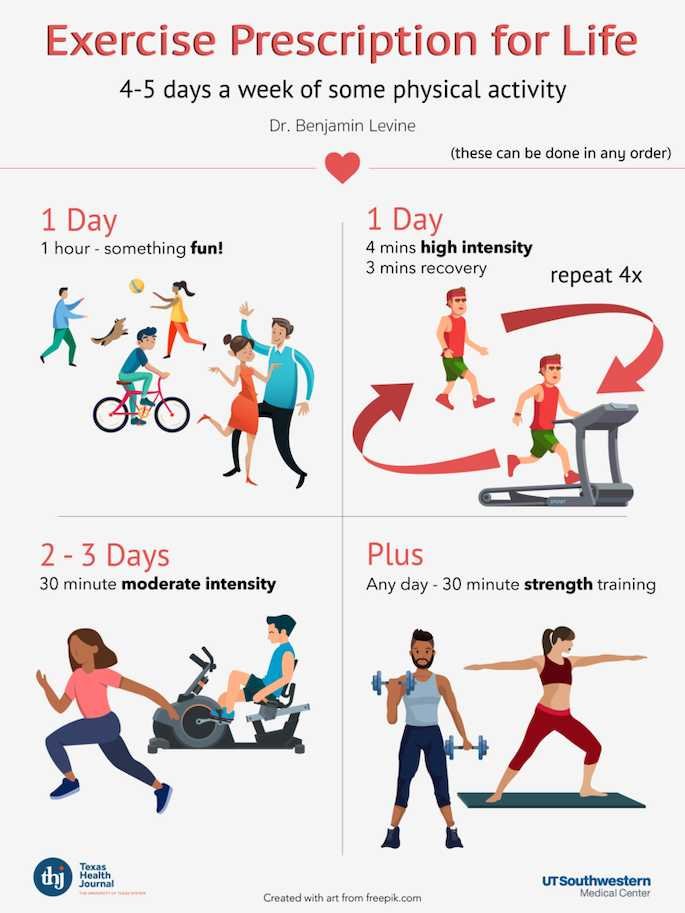
The American Heart Association recommends at least 150 minutes of moderate-intensity cardio or 75 minutes of vigorous activity weekly. Spread over several days, these workouts can include activities like brisk walking, dancing, or cycling.
For additional health benefits, engaging in 300 minutes of moderate activity each week can further decrease heart risks. Remember, consistency is key; even shorter sessions daily can improve heart function over time. Be sure to gradually increase intensity and duration to prevent injury.
Benefits of Combining Cardio with Strength Training
While cardio strengthens your heart, combining it with strength training provides comprehensive health benefits. Strength exercises build muscle mass, improve bone density, and support weight management.
A balanced fitness routine that includes both cardio and strength exercises enhances overall cardiovascular health. It can also help reduce blood pressure and improve cholesterol levels more effectively than either alone. Just make sure to alternate workout types and allow your body to rest.
Risks and Precautions When Doing Cardio
Although cardio exercise offers many benefits, it’s important to approach it responsibly. Always warm-up before and cool down after workouts to prevent injuries. Listen to your body and avoid overexertion, especially if you have existing health conditions.
Consult your doctor before starting a new exercise routine, particularly if you have heart problems or other health concerns. Start with moderate intensity and gradually increase as your fitness level improves. Proper hydration and appropriate footwear also support safe workouts.
Cardio and Heart Health in Different Conditions
People with conditions like hypertension or diabetes can still gain heart benefits from cardio. It can help manage blood sugar and blood pressure levels. However, these individuals should work closely with healthcare providers to tailor their exercise routines.
For those recovering from heart events, such as a heart attack, supervised cardio programs can promote healing and rebuild strength. Always follow medical advice to ensure safety and gradual improvement.
Summary of Key Points
- Regular cardio makes the heart stronger and more efficient.
- It improves blood circulation, reduces blood pressure, and balances cholesterol levels.
- Aerobic activity supports heart health across all ages.
- Consistency and gradual intensity increases are vital for safe results.
- Combining cardio with other exercises maximizes benefits and overall fitness.
- Always consult a healthcare professional before beginning or changing your routine.
Encouraging regular cardio activity can lead to a healthier, more resilient heart. By understanding how aerobic exercise works and its benefits, you can make informed decisions for your heart health journey. Remember, even small steps towards more activity can have a lasting positive impact.
Frequently Asked Questions
How does cardio activity improve heart function over time?
Cardio activity stimulates the heart to pump more efficiently by increasing blood flow and strengthening the heart muscle. Regular aerobic exercises, like running or cycling, help improve the heart’s capacity to deliver oxygen-rich blood throughout the body. Over time, this leads to a lower resting heart rate and better overall heart performance, making daily activities easier and reducing fatigue.
What specific cardiovascular exercises contribute most to heart health?
Exercises such as brisk walking, swimming, jogging, and cycling are highly effective for strengthening the heart. These activities elevate your heart rate into the aerobic zone, encouraging your heart muscles to adapt and become more resilient. Consistently engaging in these exercises enhances cardiovascular endurance and reduces the risk of heart disease.
Can engaging in regular cardio reduce the chances of developing heart-related conditions?
Yes, consistent cardio activity lowers the risk of developing conditions like hypertension, high cholesterol, and coronary artery disease. It helps improve blood vessel flexibility and reduces inflammation, which are key factors in preventing heart-related illnesses. Incorporating regular aerobic exercises into your routine promotes overall heart health and longevity.
Is there an optimal duration or frequency for cardio workouts to benefit heart health?
For most individuals, aiming for at least 150 minutes of moderate-intensity or 75 minutes of vigorous-intensity cardio exercise each week offers substantial benefits. Spreading these sessions throughout the week, such as 30 minutes on most days, consistently supports heart strength and function. Adjustments can be made based on fitness levels and medical advice.
How does cardio exercise impact your heart rate and cardiovascular system during workouts?
During cardio exercises, your heart rate increases to supply more oxygen-rich blood to your muscles. This stimulates your cardiovascular system to work more efficiently. Over time, this increased workload leads to adaptations that make your heart stronger, more flexible, and capable of handling higher activity levels without excessive strain.
Final Thoughts
Cardio exercises are effective at improving heart health by increasing endurance and reducing risk factors. Regular aerobic activity strengthens the heart muscle and enhances blood circulation. This results in a healthier cardiovascular system over time.
In conclusion, does cardio strengthen your heart? Yes, consistent cardio workouts build a stronger, more efficient heart. Incorporating these exercises into your routine promotes long-term heart health and overall well-being.
As an Amazon Associate, We earn from qualifying purchases. When you purchase a product through Amazon links on pulsefitguide.com, we may earn a small commission at no extra cost to you. This helps support the site and keep our content free.