

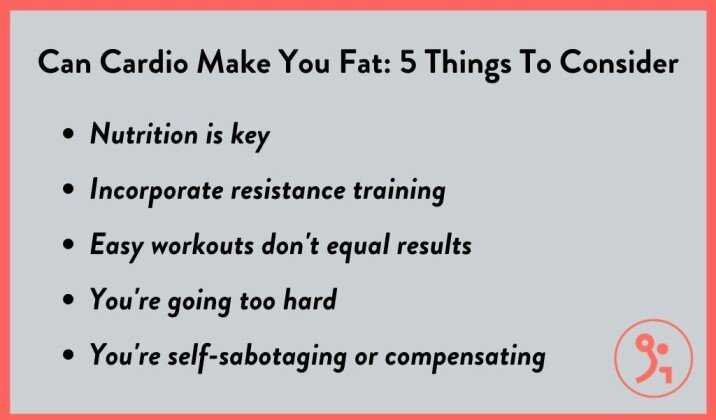
Cardio often gets a bad rap for causing weight gain, but the truth is more nuanced. Many people wonder if hitting the treadmill or cycling might actually pack on pounds instead of helping shed them. The quick answer is that cardio alone usually doesn’t make you gain weight; in fact, it’s an essential part of weight loss and overall fitness. However, overdoing it without proper rest, nutrition, or balance with strength training can lead to unintended weight fluctuations or muscle loss, which might make you feel or look different. The key is understanding how your body responds to cardio, and how it fits into your entire fitness routine. If done correctly, cardio can boost metabolism, improve cardiovascular health, and help manage weight effectively, without causing unwanted weight gain.

Does Cardio Make You Gain Weight? Understanding the Truth
Many people wonder if doing cardio exercises can lead to weight gain instead of weight loss. This concern is common, especially when progress seems slow or results are unexpected. To clarify this topic, let’s explore what happens in your body during cardio and how it affects your weight.
What Is Cardio and Why Do People Do It?
Cardio, short for cardiovascular exercise, includes activities like running, cycling, swimming, and brisk walking. These exercises elevate your heart rate and help strengthen your heart and lungs. People often choose cardio to burn calories, improve endurance, and maintain a healthy weight.
Many believe cardio is the fastest way to lose weight, but some notice weight gain instead. Understanding how cardio impacts weight requires looking at several factors, from immediate effects to long-term changes.
How Does Cardio Affect Your Body?
Immediate Effects of Cardio on Water and Glycogen
Right after a cardio session, your body may temporarily hold onto more water. This can cause a slight increase on the scale. Additionally, your muscles store glycogen, a form of carbohydrate, which also attracts water, leading to temporary weight gain.
Long-Term Impact on Fat and Muscle
Consistent cardio helps burn calories and fat, which over time results in fat loss. It also boosts your metabolic rate, making it easier to shed unwanted pounds. With regular exercise, your body can build lean muscle, further aiding weight management.
Can Cardio Actually Make You Gain Weight?
Why Some People See Weight Gain After Cardio
Some individuals notice weight gain after starting cardio due to increased muscle mass or water retention. Also, overeating to compensate for exercise can negate calorie burn. Stress and hormonal shifts may also play a role in water retention, leading to temporary weight increases.
When Does Cardio Lead to Fat Loss?
If you maintain a calorie deficit—burning more calories than you consume—cardio will help you lose fat. Consistency, proper nutrition, and adequate rest are key factors in ensuring cardio contributes to weight loss rather than gain.
Balancing Cardio with Diet and Strength Training
The Role of Nutrition
Eating the right foods is essential when doing cardio. Consuming too many calories, especially from sugar and processed foods, can offset the calories burned. Focus on a balanced diet rich in vegetables, lean proteins, and healthy fats.
Incorporating Strength Training
Adding strength training to your routine can help build muscle, which burns more calories even at rest. Combining cardio with weight lifting can improve body composition and prevent muscle loss during weight loss journeys.
Types of Cardio and Their Effects on Weight
Low-Impact Cardio
Activities like walking or swimming are gentle and reduce the risk of injury. These can be effective for beginners or those with joint issues. They help burn calories without excessive strain.
High-Intensity Interval Training (HIIT)
HIIT involves short bursts of intense activity followed by rest periods. This method burns a lot of calories in a short time and boosts metabolism. It can lead to fat loss while preserving muscle mass.
Frequency and Duration of Cardio for Best Results
Engaging in cardio activity for about 150 minutes per week is recommended for general health. For weight loss, increasing to 300 minutes can be more effective. Short, regular sessions may be better than infrequent, long workouts.
Monitoring Your Progress
Using a combination of scale weight, body measurements, and how your clothes fit gives a clearer picture of changes. Remember, fluctuations are normal, and focus on overall trends rather than day-to-day variations.
Common Myths About Cardio and Weight Gain
Myth 1: Cardio Always Leads to Fat Loss
While cardio helps burn calories, it doesn’t guarantee fat loss unless paired with proper nutrition and a calorie deficit. Overeating after workouts can negate the benefits.
Myth 2: Cardio Makes You Muscular
This is false for most people unless combined with strength training. Cardio primarily burns calories and improves endurance, not muscle size.
Myth 3: More Cardio Means Faster Weight Loss
Too much cardio can lead to burnout, injury, or muscle loss. Balance and moderation are key to sustainable weight management.
Doing cardio does not inherently make you gain weight. In fact, it plays a vital role in weight loss, heart health, and overall fitness. The key lies in balancing exercise with proper nutrition, choosing the right types of cardio, and maintaining consistency. Remember, temporary water retention or muscle gain can cause short-term weight increases, but these are normal parts of the process. Focus on your long-term goals, and stay committed to a healthy lifestyle for the best results.
Frequently Asked Questions
Can doing a lot of cardio lead to muscle loss and apparent weight gain due to decreased muscle mass?
Yes, excessive cardio without adequate strength training can result in muscle loss, which may make your body composition appear heavier or less toned. Since muscle tissue is denser than fat, losing muscle can cause a change in body shape, sometimes leading to an increase in weight on the scales. To prevent this, combine cardio workouts with strength training to maintain muscle mass and promote a balanced physique.
Is it possible that cardio causes water retention, making you weigh more temporarily?
Engaging in intense cardio can sometimes cause your body to retain water, especially if your muscles are sore or if you’re consuming more salty foods. This water retention can temporarily increase your weight. Typically, this effect subsides after a few days once your body adapts and hydration levels stabilize. Proper hydration and balanced nutrition help manage water retention effectively.
Can overdoing cardio disrupt my hormonal balance and lead to weight gain?
Doing too much cardio without enough recovery can cause hormonal imbalances, particularly increasing cortisol levels. Elevated cortisol may promote fat storage, especially around the abdomen, and increase appetite, which can contribute to weight gain. Incorporate rest days and vary your workout routine to support hormonal health and avoid unintended weight gain.
Does cardio affect appetite, and could that lead to overeating?
Cardio can stimulate your appetite, especially after intense sessions, prompting you to eat more calories than you burned. If you do not control your post-workout nutrition, it may negate the calorie deficit created during exercise, potentially causing weight gain. Monitoring your hunger cues and choosing nutritious, filling foods helps balance your energy intake.
Can the timing of cardio sessions influence whether I gain or lose weight?
Yes, the timing of cardio workouts can impact your weight management. Exercising on an empty stomach might promote fat burning but could also increase the risk of muscle loss if done excessively. Conversely, doing cardio after meals may lead to better energy levels but might cause discomfort for some. Adjust workout timing based on your goals and how your body responds to find the most effective approach for weight control.
Final Thoughts
Cardio is often misunderstood when it comes to weight changes. Some believe that doing cardio will lead to weight gain, but this isn’t always true.
In reality, cardio helps burn calories and improve overall health. Properly balanced workouts won’t necessarily cause weight gain and can support weight loss goals.
Does cardio make you gain weight? Not inherently. It depends on your diet, exercise intensity, and overall routine. Focus on a well-rounded plan for the best results.
As an Amazon Associate, We earn from qualifying purchases. When you purchase a product through Amazon links on pulsefitguide.com, we may earn a small commission at no extra cost to you. This helps support the site and keep our content free.