

Cardio can influence testosterone levels, but it doesn’t automatically mean your favorite workouts are ruining your hormones. The impact depends on how much and how intensely you do cardio, along with individual factors like fitness level and recovery. For most people, moderate cardio doesn’t significantly lower testosterone and can even boost overall health. However, excessive cardio without proper rest might lead to decreased testosterone over time.
In short, cardio doesn’t necessarily lower testosterone unless it’s done excessively or without proper recovery. Finding a balance between cardio and strength training is key for maintaining healthy hormone levels and overall fitness. Keep your workouts varied and listen to your body to enjoy the benefits of cardio without compromising your hormones.
Starting a fitness routine often raises questions about its effects on hormones, especially testosterone, which plays a crucial role in muscle growth, energy, and overall vitality. Many wonder if cardio might be a hormone killer, especially when overdone. While moderate cardio can support cardiovascular health and enhance stamina, excessive endurance training can sometimes suppress testosterone production. This is because intense or prolonged cardio sessions can increase stress hormones like cortisol, which may interfere with testosterone levels if not managed properly. Striking the right balance is essential—integrating cardio with strength training, ensuring adequate rest, and listening to your body can help you enjoy the benefits of aerobic exercise without risking hormonal health.

Does Cardio Lower Testosterone?
Understanding Testosterone and Its Role
Testosterone is a hormone mainly produced in the testicles for men and in smaller amounts in women. It plays a critical role in muscle growth, energy levels, mood, and sexual health. Maintaining healthy testosterone levels is essential for overall well-being and physical performance.
How Cardio Affects Hormone Levels
Cardio exercises, like running, cycling, or swimming, are known for improving cardiovascular health and burning calories. However, they can also impact hormone production, including testosterone, depending on intensity and duration. Striking a balance is key to benefiting from cardio without negatively affecting hormone levels.
Does Moderate Cardio Lower Testosterone?
Research suggests that moderate levels of cardio exercise do not significantly decrease testosterone. In fact, moderate activity can promote overall hormone health and increase endurance without disrupting hormone balance. Examples include brisk walking, light jogging, and casual cycling.
High-Intensity or Long-Duration Cardio and Testosterone
Engaging in high-intensity or prolonged cardio sessions may lead to temporary drops in testosterone. During intense workouts, the body produces stress hormones like cortisol, which can inhibit testosterone synthesis. This effect is usually short-lived, and hormone levels typically bounce back after rest.
Why Does Excessive Cardio Affect Testosterone?
Excessive cardio increases physical stress and cortisol levels, which can interfere with testosterone production. This is particularly true if combined with inadequate recovery or poor nutrition. Overtraining can lead to chronic hormonal imbalances and reduced libido.
Balancing Cardio and Resistance Training
Combining cardio with resistance training can support healthy testosterone levels. Resistance exercises, such as weightlifting, are proven to boost testosterone production. Incorporating both types of workouts creates a well-rounded fitness regimen.
Sample Weekly Workout Schedule for Optimal Hormone Balance
- Three days of resistance training targeting major muscle groups
- Two to three days of moderate cardio sessions
- One rest day for recovery and hormone restoration
This balance ensures cardiovascular health while promoting natural testosterone levels.
Effects of Overtraining and Undertraining
Overtraining occurs when the body does not get enough rest between intense workouts, which can lead to elevated cortisol and lowered testosterone. Conversely, undertraining may not stimulate enough hormonal responses for muscle growth and strength. Both extremes can negatively impact testosterone levels.
Signs of Overtraining
- Persistent fatigue
- Decreased strength and performance
- Elevated resting heart rate
- Sleep disturbances
Monitoring your body’s signals helps prevent overtraining and maintains hormonal health.
Nutrition’s Role in Maintaining Testosterone During Cardio
Proper nutrition supports hormone production, especially when engaging in regular cardio. Consuming enough protein, healthy fats, and micronutrients like zinc and vitamin D are essential. Staying hydrated and avoiding excessive sugar and processed foods also help sustain testosterone levels.
Key Nutrients for Testosterone Support
| Nutrient | Sources | Importance |
|---|---|---|
| Zinc | Meat, nuts, seeds | Vital for hormone synthesis |
| Vitamin D | Sunlight, fatty fish, fortified foods | Supports testosterone production |
| Healthy Fats | Avocados, olive oil, nuts | Essential for hormone health |
Sleep and Recovery: Critical Factors
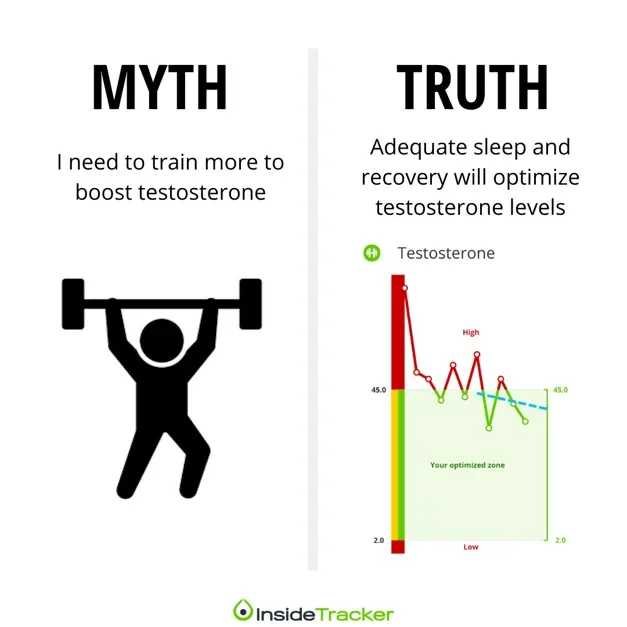
Getting enough quality sleep is fundamental for maintaining healthy testosterone levels. Sleep deprivation can raise cortisol and diminish testosterone production. Prioritizing rest and recovery ensures your hormones are balanced and your workouts remain effective.
Tips for Better Sleep
- Establish a consistent sleep schedule
- Avoid screens before bed
- Create a cool, dark sleep environment
- Limit caffeine and heavy meals in the evening
Additional Factors Influencing Testosterone and Cardio
Other lifestyle elements, such as stress management, alcohol consumption, and overall health, influence hormone levels. Chronic stress increases cortisol, which can suppress testosterone. Managing stress through mindfulness or relaxation techniques supports hormonal balance.
Impact of Alcohol and Substance Use
Excessive alcohol and drug use can significantly lower testosterone levels. Limiting or avoiding these substances helps maintain hormone health, especially when doing regular cardio activities.
Myth Busting: Does Cardio Always Lower Testosterone?
Many believe all cardio reduces testosterone, but this is not true if workouts are properly managed. Moderate, consistent cardio can complement strength training and support overall hormonal health. The key lies in intensity, duration, and recovery.
Summary of Key Points
- Moderate cardio generally does not lower testosterone
- Intense or prolonged cardio can temporarily decrease testosterone levels
- Balancing cardio with resistance training is beneficial
- Proper nutrition and sleep are crucial for hormone maintenance
- Overtraining can negatively impact testosterone levels
Practical Tips to Maximize Benefits While Protecting Testosterone
- Limit high-intensity cardio sessions to 30-45 minutes
- Incorporate strength training into your weekly routine
- Ensure adequate rest days between intense workouts
- Eat a balanced diet rich in micronutrients supporting hormone health
- Prioritize sleep and stress management techniques
Remember
Even if you enjoy cardio, doing it mindfully and in moderation will help you maintain healthy testosterone levels. Listening to your body and avoiding overtraining are essential steps to stay hormonally balanced.
Frequently Asked Questions
Can engaging in regular cardio workouts impact testosterone production over time?
Regular cardio exercises, especially in moderate amounts, generally do not cause significant drops in testosterone levels. However, excessive endurance activities or very high-volume cardio can sometimes lead to a decrease in testosterone production as the body adapts to increased physical stress. It’s important to balance cardio sessions with strength training and adequate rest to maintain healthy testosterone levels.
How does the intensity and duration of cardio influence testosterone levels?
The intensity and length of cardio workouts play a role in how they affect testosterone. High-intensity or prolonged cardio sessions, particularly those lasting over an hour, may temporarily lower testosterone levels due to increased physiological stress. Conversely, shorter, moderate-intensity sessions tend to have minimal or no negative impact, and can even support overall hormonal balance when integrated properly into your fitness routine.
Are there specific types of cardio exercises that are less likely to affect testosterone negatively?
Low-impact and moderate-intensity cardio activities, such as brisk walking or cycling, are less likely to disrupt testosterone production. These exercises promote cardiovascular health without placing excessive stress on the body. Incorporating a variety of these activities alongside strength training can help maintain hormonal health without risking declines in testosterone levels.
Final Thoughts
In summary, the question of whether cardio lowers testosterone remains nuanced. Moderate cardio can support overall health and hormone balance. However, excessive cardio may lead to decreased testosterone levels.
Understanding your body’s response to different exercise intensities helps you optimize your fitness routine. Striking the right balance ensures that cardio benefits your health without negatively impacting testosterone. Therefore, cardio does lower testosterone only if overdone; moderation is key.
As an Amazon Associate, We earn from qualifying purchases. When you purchase a product through Amazon links on pulsefitguide.com, we may earn a small commission at no extra cost to you. This helps support the site and keep our content free.