

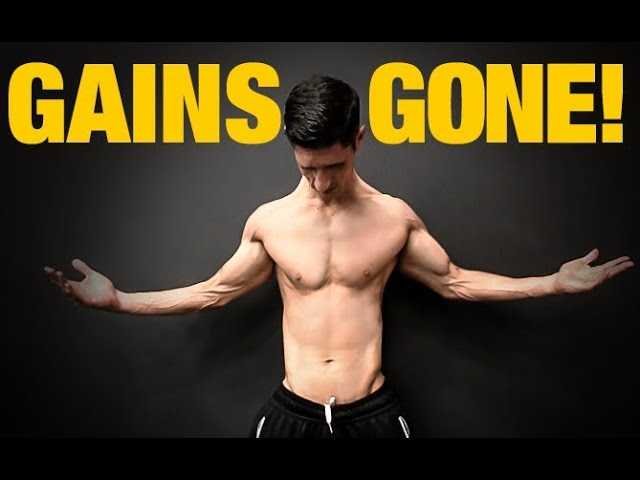
Cardio doesn’t have to ruin your muscle gains; with the right approach, you can enjoy both. Kickstarting your fitness journey with cardio might raise concerns about losing muscle mass, but the truth is, it can actually complement your strength training if balanced properly. The key is to understand how much cardio is enough and when to do it to avoid hindering your progress.
In short, moderate cardio does not kill gains; it can support overall fitness and recovery. Overdoing it, however, might interfere with muscle growth, but with strategic planning, you can reap the benefits of cardio without sacrificing your strength goals.
If you’re wondering whether doing cardio will sabotage your muscle-building efforts, rest assured—it’s all about balance. Some cardio can boost your cardiovascular health, improve endurance, and even aid in faster recovery from lifts. The trick is to incorporate it intelligently into your workout routine, ensuring it enhances rather than detracts from your gains. By managing the intensity and duration, you can maintain strong muscles while enjoying the many benefits that cardio offers.

Does Cardio Kill Gains? Exploring the Truth About Cardio and Muscle Growth
Understanding the Basics of Cardio and Gains
Cardio exercises, such as running, cycling, or swimming, are great for improving heart health and burning calories. However, many people wonder if doing too much cardio can interfere with muscle development. Gains refer to the increase in muscle size and strength achieved through resistance training. It’s important to know how cardio and gains interact and whether they can work together effectively.
How Cardio Affects Muscle Growth
Cardio can influence muscle growth in different ways depending on how it’s performed. Excessive cardio might lead to muscle loss if your body doesn’t get enough rest and nutrients. Conversely, moderate cardio can support recovery, boost endurance, and even improve overall workout performance. The key is balancing cardio with strength training to avoid negative effects on gains.
The Impact of Excessive Cardio
Engaging in too much cardio, especially high-intensity sessions, can cause your body to break down muscle tissue for energy. This is called catabolism. When your body is in a calorie deficit from excessive cardio, it might prioritize burning fat but also lose muscle mass. Long sessions of cardio without proper nutrition can hinder muscle growth and recovery.
The Benefits of Moderate Cardio
Moderate cardio helps increase blood flow, which delivers oxygen and nutrients to muscles. It can help reduce soreness and support muscle repair. Additionally, moderate cardio can improve cardiovascular health, enabling you to train harder and longer during resistance workouts. This balance helps you maximize gains while enjoying the benefits of cardio.
The Role of Nutrition in Balancing Cardio and Gains
Proper nutrition is crucial when combining cardio and strength training. Consuming enough calories and protein ensures your body has the resources needed for muscle repair and growth. Skipping meals or not eating enough can worsen muscle loss caused by cardio.
Protein and Carbohydrates
Protein provides the building blocks for muscle repair and growth. Aim for lean protein sources like chicken, fish, and beans. Carbohydrates replenish glycogen stores in muscles, giving you energy for both cardio and strength workouts. Whole grains, fruits, and vegetables are excellent sources.
Timing Your Nutrition
Eating a balanced meal with carbs and protein before and after workouts can optimize performance and recovery. Post-workout nutrition helps replenish energy and jumpstarts muscle repair. Staying hydrated also supports overall workout effectiveness and recovery.
Types of Cardio and Their Effects on Gains
Different forms of cardio impact your muscles differently. Understanding these differences can help you choose the best options for your goals.
Steady-State Cardio
Steady-state cardio involves maintaining a consistent intensity level over a period. Examples include jogging or cycling at a moderate pace. This type is less likely to cause muscle loss if done in moderation and with proper nutrition.
High-Intensity Interval Training (HIIT)
HIIT alternates between intense bursts of activity and rest periods. It’s time-efficient and effective for burning fat. However, if overdone, it can lead to overtraining and muscle fatigue, especially without adequate recovery.
Low-Impact Cardio
Activities like walking or swimming are easier on joints and muscles. They are effective for fat burning without risking muscle loss, making them suitable for people concerned about their gains.
How to Incorporate Cardio Without Killing Gains
You can perform cardio while still maximizing muscle growth by following some simple guidelines.
Set Clear Goals
Define whether your priority is gaining muscle, losing fat, or maintaining both. This helps tailor your cardio routine accordingly.
Adjust Frequency and Intensity
Limit cardio sessions to three to four times a week with moderate intensity. Avoid doing long, exhaustive sessions that could lead to muscle breakdown.
Prioritize Strength Training
Schedule strength workouts before cardio to ensure your muscles are fresh. This allows for better performance and muscle stimulation during resistance training.
Include Rest Days
Rest is critical for muscle recovery. Incorporate days without cardio or strength training to allow your muscles to rebuild and grow.
Utilize Active Recovery
Light activities such as walking, stretching, or yoga can promote blood flow and aid recovery without impairing gains.
The Importance of Recovery and Rest
Recovery is often overlooked but vital for muscle growth. Overtraining, especially with frequent cardio, can lead to fatigue and decreased gains.
Signs You Need Rest
Persistent soreness, lack of progress, and fatigue are signs you may need more rest. Listening to your body helps prevent overtraining.
Sleep and Hydration
Getting enough sleep and staying hydrated support muscle repair and energy levels. Aim for at least seven hours of sleep per night and drink plenty of water.
Related Topics and Tips for Maximizing Gains
To complement your routine, consider these strategies.
Strengthen Your Core
A strong core improves overall performance and reduces injury risk during cardio and lifts.
Incorporate Different Training Modalities
Mix resistance training, cardio, and flexibility exercises to prevent plateaus and keep workouts interesting.
Use Proper Equipment and Technique
Good form prevents injuries and ensures you target the right muscles effectively.
Track Your Progress
Keep a workout journal to monitor improvements and adjust your plan as needed.
Stay Consistent
Consistency is key to seeing long-term gains. Stick to your routine and make adjustments based on progress and feedback from your body.
This comprehensive look at how cardio interacts with muscle gains shows that it is possible to enjoy both if you balance your workouts properly. Moderate cardio can support your fitness goals without compromising muscle growth. Remember, combining good nutrition, rest, and smart training plans helps you achieve the best results, whether your goal is building muscle or burning fat.
Frequently Asked Questions
Can doing too much cardio interfere with muscle recovery?
Yes, excessive cardio can hinder muscle recovery because it strains your body’s resources and increases fatigue. When you perform high-volume cardio without adequate rest, your muscles may not recover fully, which can slow down muscle growth and increase the risk of injury. It’s important to balance cardio sessions with strength training and proper rest periods to ensure optimal recovery.
How should I time my cardio workouts to prevent losing gains?
Scheduling cardio workouts separately from weightlifting sessions can help preserve muscle gains. For instance, you might perform cardio on different days or at different times of the day than your strength training. Additionally, keeping cardio sessions moderate in intensity and duration prevents excessive calorie expenditure that could compromise muscle growth.
Does the type of cardio matter when it comes to muscle gains?
Yes, different types of cardio impact your muscles differently. Low-impact activities like swimming or cycling tend to preserve muscle mass better than high-impact exercises like running or jumping. Incorporating lower-impact cardio can help maintain your gains while still providing cardiovascular benefits.
How can I balance cardio and strength training to optimize muscle growth?
You can balance these by prioritizing strength training, performing moderate cardio, and allowing adequate recovery time. Consider doing cardio on rest days or after weight sessions, keeping sessions short and at moderate intensity. Proper nutrition and hydration also support your muscle-building efforts while engaging in cardio activities.
Is there an ideal amount of cardio I should do if I want to maximize muscle gains?
Typically, sticking to 2-3 sessions of moderate-intensity cardio per week works well for most individuals aiming to build muscle. Keeping sessions around 20-30 minutes allows you to improve cardiovascular health without significantly affecting muscle growth. Adjust based on your personal goals and how your body responds to training.
Final Thoughts
In conclusion, the question of whether cardio kills gains depends on how you incorporate it into your routine. If you focus on balancing cardio and strength training, you can improve overall fitness without sacrificing muscle growth. Excessive cardio, however, might hinder progress by depleting energy reserves.
Ultimately, does cardio kills gains? Not necessarily. Proper planning ensures you achieve your goals without compromise. Managing intensity and duration helps maintain muscle while enjoying cardiovascular benefits.
As an Amazon Associate, We earn from qualifying purchases. When you purchase a product through Amazon links on pulsefitguide.com, we may earn a small commission at no extra cost to you. This helps support the site and keep our content free.