

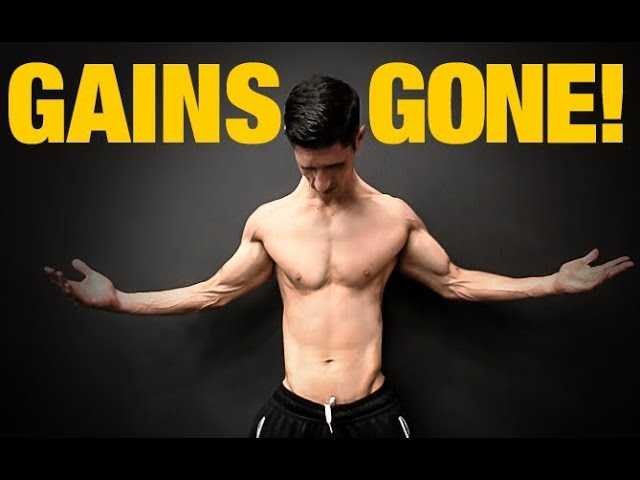
Cardio can be a double-edged sword when it comes to muscle gains, but it doesn’t have to ruin your progress. Incorporating the right amount and type of cardio can actually complement your strength training, helping you stay lean and improve cardiovascular health without sacrificing muscle mass. The key lies in balancing your workouts and understanding how to do cardio effectively.
**Short answer:** Cardio doesn’t necessarily kill gains; if done correctly, it can enhance overall fitness without compromising muscle growth. Moderation, proper timing, and choosing the right type of cardio are crucial.
Getting stronger and leaner often feels like a balancing act. Many gym-goers worry that adding cardio might sabotage their muscle-building efforts. While excessive or poorly timed cardio can interfere with muscle recovery and growth, a moderate, strategic approach can actually support your goals. The trick is to avoid overdoing it—limit cardio sessions, especially on heavy lifting days, and opt for low- to moderate-intensity workouts. By integrating cardio wisely, you can improve your endurance, burn fat, and still pack on muscle. So, no need to ditch cardio altogether—just learn how to make it work for you, not against you.

Does Cardio Kill Gains? Exploring the Truth About Cardio and Muscle Growth
Many fitness enthusiasts worry about whether doing cardio can hurt their muscle-building efforts. It’s common to hear that cardio might interfere with gaining size and strength. Or, some think that cardio could burn off muscle mass if not done carefully.
In this section, we’ll look at what science says about cardio and its effects on muscle gains. We will also examine how to balance cardio with strength training for the best results. Understanding this balance can help you avoid losing muscle while staying fit.
What Is Cardio and Why Do People Do It?
Cardio, or cardiovascular exercise, includes activities like running, cycling, swimming, or brisk walking. These exercises increase your heart rate and improve your heart and lung health. Many do cardio to burn calories, lose weight, or improve overall stamina.
Doing cardio regularly can help reduce body fat and increase endurance. It’s often recommended as part of a balanced fitness routine. However, some worry that too much cardio might inhibit muscle growth.
The Science Behind Cardio and Muscle Gains
How Cardio Affects Muscle Tissue
Research shows that moderate cardio usually doesn’t harm muscle gains. In fact, it can improve recovery and cardiovascular health, which benefits strength training. Excessive cardio, however, can cause muscle fatigue and recovery issues.
Studies on Cardio and Strength Training
Some studies reveal that doing high-intensity cardio regularly can reduce muscle size if not managed properly. Others find that combining moderate cardio with strength work can help burn fat without sacrificing muscle. It’s all about how much and what type of cardio you do.
How Much Cardio Is Too Much?
Understanding the Balance
For muscle gains, most experts suggest limiting cardio to about three to five sessions a week. Each session should last 20 to 45 minutes. This amount helps improve endurance without interfering with recovery.
Signs You Might Be Doing Too Much
- Persistent fatigue during workouts
- Difficulty gaining muscle even with proper nutrition
- Longer recovery times after training
Different Types of Cardio and Their Impact
Low-Intensity Steady-State (LISS) Cardio
LISS involves activities like walking or light cycling for extended periods. It’s gentle on muscles and can help burn fat without harming gains. Many strength athletes prefer LISS for active recovery.
High-Intensity Interval Training (HIIT)
HIIT alternates intense bursts with rest periods. It burns calories quickly and can improve cardiovascular fitness efficiently. When done in moderation, HIIT doesn’t necessarily reduce muscle size but can cause fatigue if overdone.
Nutrition’s Role in Balancing Cardio and Muscle Growth
Protein Intake Is Crucial
Consuming enough protein supports muscle repair and growth, especially when doing cardio. Aim for about 1.2 to 2.0 grams of protein per kilogram of body weight daily.
Carbohydrates for Energy and Recovery
Carbs provide the energy needed for cardio and help replenish glycogen stores. Proper carbohydrate intake can prevent muscle breakdown and improve performance.
Timing Your Nutrition
Eating some carbs and protein around your workout can boost energy and aid recovery. This timing helps minimize muscle loss and supports gains.
Strategies to Maximize Gains While Doing Cardio
Prioritize Strength Training
Focus on lifting heavy weights early in your workout when your energy levels are high. Save cardio sessions for after strength training or on rest days.
Use Cardio as Active Recovery
Light cardio on rest days or after lifting can promote blood flow and recovery without risking muscle loss. It’s a good way to stay active while safeguarding gains.
Listen to Your Body
If you notice signs of overtraining, such as soreness or fatigue, consider reducing your cardio. Rest and proper nutrition are vital for muscle growth and overall health.
Additional Tips for Combining Cardio With Muscle Building
- Limit cardio sessions to avoid overtraining.
- Include variety: mix steady-state and interval training.
- Ensure your diet supports your activity level.
- Prioritize sleep for recovery and muscle growth.
- Track your progress to see how your body responds.
Common Myths About Cardio and Gains
Myth 1: Cardio Will Make You Lose All Your Muscle
This isn’t true if you balance cardio with strength training and proper nutrition. Moderate cardio can help reduce fat while preserving muscle.
Myth 2: The More Cardio, The Better
Too much cardio can lead to muscle fatigue and decreased gains. Quality and moderation are key for effectiveness.
Myth 3: Cardio is Bad for Muscle Growth
In moderation, cardio supports overall fitness and can aid muscle recovery. It’s all about how you incorporate it into your routine.
Summary and Final Thoughts
Doing cardio doesn’t have to kill your muscle gains if you manage it wisely. Focus on integrating moderate cardio sessions that complement your strength training. Proper nutrition, rest, and smart planning are essential for maximizing gains. Remember, the goal is to stay active, healthy, and strong without risking loss of muscle mass.
Frequently Asked Questions
Can doing cardio limit muscle growth if I perform it excessively?
Yes, performing excessive cardio can hinder muscle growth by increasing calorie burn and recovery demands, which may interfere with strength training progress. It’s important to balance cardio sessions with your resistance workouts and ensure you’re consuming enough calories and nutrients to support both activities.
Does the timing of cardio affect muscle gains?
Timing can influence muscle gains, especially if you do intense cardio immediately before or after weight training. Doing cardio right after lifting might impair muscle recovery, whereas doing it on separate days or at different times can help preserve muscle mass while still benefiting from cardiovascular health.
What types of cardio are less likely to interfere with muscle gains?
Low-impact, steady-state cardio like walking or cycling at moderate intensity tends to interfere less with muscle gains compared to high-intensity interval training (HIIT) or long-duration cardio. Incorporating these moderate forms of cardio into your routine helps maintain cardiovascular health without compromising muscle development.
How important is nutrition when combining cardio and strength training?
Nutrition plays a vital role, especially when you combine cardio and strength training. Consuming enough protein, carbohydrates, and healthy fats ensures your body has the necessary resources for muscle repair and energy replenishment. Proper nutrition helps prevent muscle loss while supporting overall fitness progress.
Can reducing cardio lead to faster muscle gains?
Reducing cardio can sometimes allow for more focused strength training and better muscle gains, especially if your primary goal is hypertrophy. However, complete elimination isn’t necessary for everyone; moderation and balanced routines work best to achieve overall fitness goals.
Final Thoughts
In conclusion, the question of whether cardio kills gains is often misunderstood. Doing cardio in moderation can actually enhance recovery and overall health. Overdoing it may hinder muscle growth, but balanced workouts support progress. Ultimately, yes, excessive cardio might impact gains, but the key lies in moderation and proper planning.
As an Amazon Associate, We earn from qualifying purchases. When you purchase a product through Amazon links on pulsefitguide.com, we may earn a small commission at no extra cost to you. This helps support the site and keep our content free.