

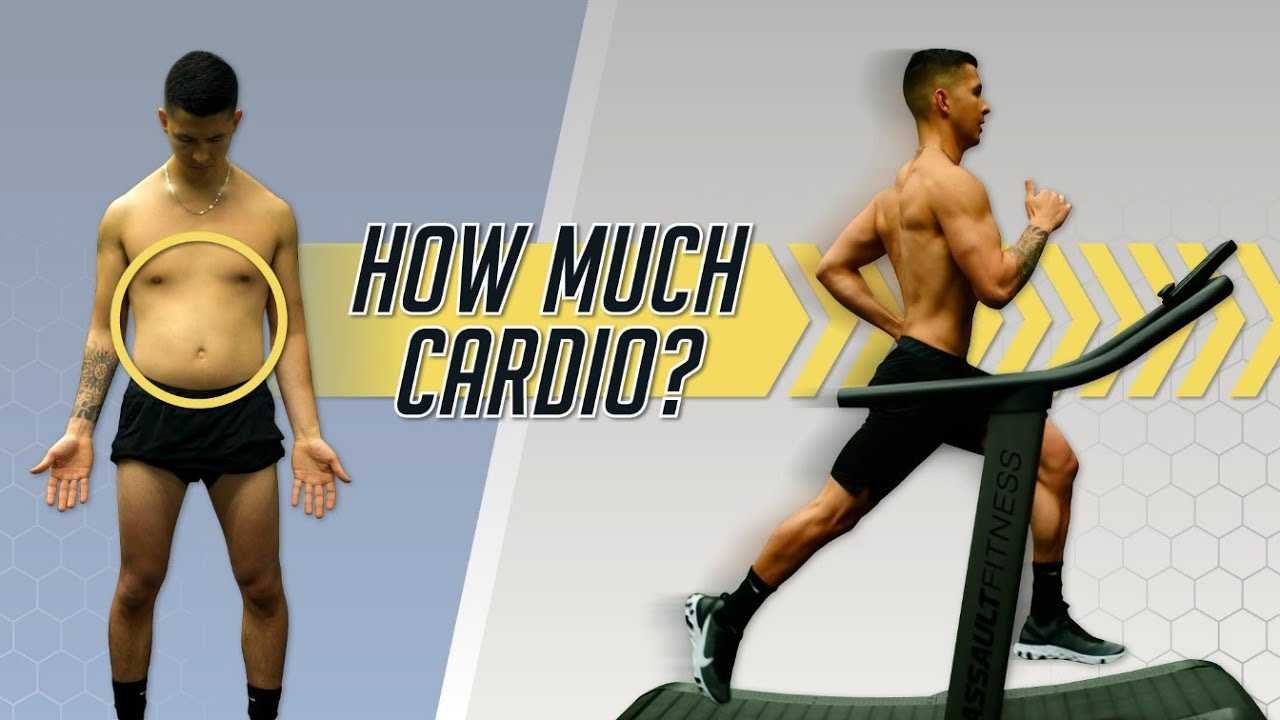
Yes, cardio can be effective in helping you lose belly fat, but it’s not the only piece of the puzzle. Engaging in regular cardio exercises like running, cycling, or swimming burns calories and can reduce overall body fat, including stubborn belly fat. However, combining cardio with a healthy diet and strength training amplifies results and promotes a more toned midsection.
Losing belly fat is a common goal, and cardio is often seen as a go-to solution. While it certainly plays a significant role in burning calories and improving cardiovascular health, it’s important to remember that spot reduction—targeting fat in one specific area—is a myth. To truly shed belly fat, consistency is key, along with a balanced approach that includes diet, strength training, and regular aerobic activity.

Does Cardio Help You Lose Belly Fat?
Understanding How Cardio Works
Cardio exercises, also known as aerobic activities, make your heart beat faster. They include walking, running, cycling, swimming, and dancing. These activities increase your overall calorie burn, which plays a role in fat loss.
During cardio, your body first uses stored carbohydrates for energy. As you continue, it shifts to burning fat, especially with moderate-intensity activities. This shift is important because it influences how much belly fat you can lose over time.
The Relationship Between Cardio and Belly Fat
Many wonder if doing cardio specifically targets belly fat. While cardio helps in reducing overall body fat, it does not spot-reduce fat from just one area. Instead, it decreases fat everywhere, including your stomach.
Belly fat is often the hardest to lose because it is linked to several factors such as genetics, diet, and lifestyle. Regular cardio can reduce visceral fat—the harmful fat around your organs—which improves health and appearance.
How Cardio Affects Visceral and Subcutaneous Fat
Visceral fat is deep in your belly and surrounds organs. Subcutaneous fat is the layer beneath your skin. Cardio exercises are more effective at burning visceral fat because of their impact on metabolism.
Research shows that engaging in consistent aerobic activity can significantly decrease visceral fat within a few months. Subcutaneous fat also reduces but may take longer and require combined efforts with diet.
How Much Cardio Is Needed to See Results?
The Centers for Disease Control and Prevention recommend at least 150 minutes of moderate-intensity cardio weekly. For more noticeable belly fat loss, aim for 300 minutes per week.
Divide this time into sessions lasting about 30 to 60 minutes. Consistency and gradually increasing intensity are key to seeing results, especially in stubborn belly fat.
The Best Cardio Exercises for Belly Fat Reduction
Some cardio workouts are more effective for burning fat around the belly. Here are popular options:
- Running or Jogging: High calorie burn and easy to do anywhere.
- Cycling: Low-impact exercise that boosts heart health and burns fat.
- Swimming: Full-body workout that engages multiple muscle groups.
- Jump Rope: Short, intense bursts of activity that burn calories fast.
- HIIT (High-Intensity Interval Training): Alternates between short bursts of intense effort and rest, proven to burn fat efficiently.
Incorporating these exercises into your weekly routine can accelerate belly fat loss.
How Does Intensity Impact Belly Fat Loss?
Higher-intensity cardio burns more calories in less time and can enhance fat loss. HIIT, for example, has been shown to burn more fat than steady-state moderate exercise.
However, it is essential to balance high-intensity workouts with proper recovery to prevent injury and burnout. Consistent moderate-intensity cardio also contributes to steady fat reduction over time.
The Role of Duration and Frequency
Longer sessions burn more calories, but even shorter bouts add up. Doing at least 30 minutes of cardio most days of the week is effective for belly fat reduction.
Adding variety and increasing duration gradually help prevent plateaus and maintain motivation. Track your progress and adjust your routine as needed.
Complementing Cardio with Strength Training
While cardio burns calories and reduces fat, strength training builds muscle. More muscle increases resting metabolic rate, which helps burn more fat even at rest.
Combine cardio with exercises like weightlifting or bodyweight moves for best results. This combination accelerates fat loss, including around your belly.
Understanding Diet’s Role in Belly Fat Loss
Cardio alone isn’t enough to lose belly fat if your diet is unhealthy. Focus on eating a balanced diet rich in vegetables, lean proteins, and whole grains.
Limit added sugars, processed foods, and high-fat snacks. Proper nutrition supports your exercise efforts and helps create a calorie deficit necessary for fat loss.
The Impact of Sleep and Stress
Poor sleep and high stress can increase belly fat by raising cortisol levels. Adequate sleep and stress management techniques are essential.
Aim for 7-9 hours of quality sleep and practice mindfulness or relaxation activities. These habits complement your cardio workouts and promote better fat loss results.
Monitoring Progress
Tracking your belly fat loss involves more than just weighing yourself. Use measurements, photos, and how your clothes fit to see changes.
Remember, belly fat reduction can be slow. Stay patient, consistent, and motivated by focusing on overall health improvements.
Additional Tips for Effective Belly Fat Loss
- Stay Hydrated: Drinking enough water aids metabolism and reduces cravings.
- Increase NEAT: Non-exercise activity thermogenesis, like walking and cleaning, boosts daily calorie burn.
- Set Realistic Goals: Small, achievable goals help maintain motivation.
- Be Patient: Fat loss takes time; persistence is crucial.
Engaging in regular cardio exercises can definitely help you lose belly fat as part of a comprehensive approach. Combining cardio with strength training, good nutrition, sleep, and stress management maximizes your results. Remember, consistency and patience are the keys to a healthier, leaner belly.
Frequently Asked Questions
Can doing cardio help reduce overall body fat, including the belly area?
Yes, cardio exercises increase your overall calorie expenditure, which helps reduce body fat throughout your body. While you can’t target fat loss in specific areas, consistent cardio combined with a healthy diet can decrease belly fat as part of your overall weight loss efforts.
How often should I perform cardio to see noticeable changes in my belly fat?
Engaging in cardio activities at least 4 to 5 times a week for 30 to 60 minutes each session can lead to visible results over time. Combining these sessions with strength training and proper nutrition enhances fat loss around your abdomen.
Are high-intensity cardio workouts more effective for losing belly fat than moderate workouts?
High-intensity cardio workouts burn more calories in less time and can elevate your metabolism for hours after exercising. This can potentially lead to faster fat loss, including around the belly area. However, consistency and enjoyment are key, so choose the intensity that fits your fitness level and preferences.
Does aerobic exercise alone suffice for belly fat reduction?
Aerobic exercises are effective in burning calories and aiding fat loss, but combining them with strength training builds muscle, which boosts metabolism and supports overall fat reduction. A comprehensive fitness plan yields the best results in reducing belly fat.
Is there a specific duration or type of cardio that targets belly fat more effectively?
No particular duration or type of cardio targets belly fat exclusively. Instead, engaging in varied cardio activities such as running, cycling, swimming, or brisk walking regularly helps reduce overall body fat, which includes the abdominal area over time.
Final Thoughts
Cardio exercises can aid in burning calories and reducing overall body fat. While they help with weight loss, spot reduction of belly fat is less effective. Combining cardio with strength training enhances results and improves muscle tone. Does cardio help you lose belly fat? Yes, it contributes to overall fat loss, including the abdominal area, when paired with a healthy diet.
As an Amazon Associate, We earn from qualifying purchases. When you purchase a product through Amazon links on pulsefitguide.com, we may earn a small commission at no extra cost to you. This helps support the site and keep our content free.