

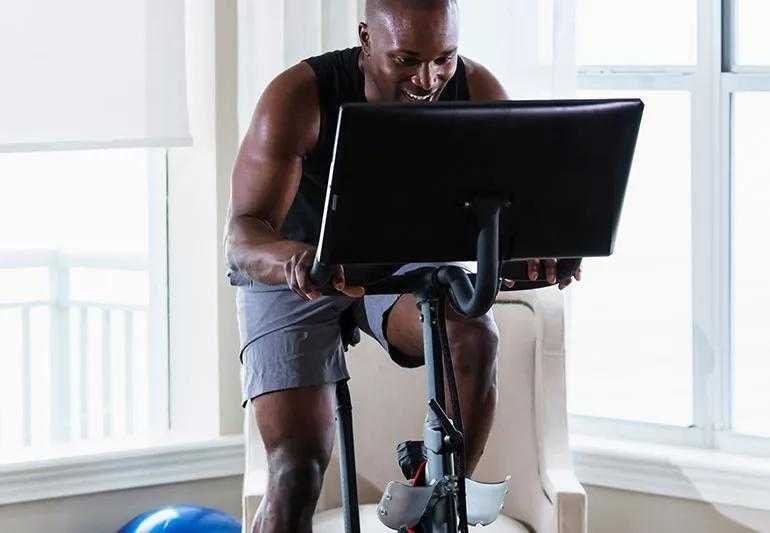
Yes, cardio exercises can significantly help lower cholesterol levels, making them a vital part of heart health. Regular aerobic activity boosts good HDL cholesterol while reducing harmful LDL cholesterol and triglycerides, contributing to healthier arteries and a lower risk of heart disease. Engaging in consistent cardio routines is an effective, enjoyable way to manage your cholesterol naturally.
Cardio workouts like running, cycling, or swimming are not just great for burning calories—they also play a crucial role in improving your lipid profile. When you incorporate these exercises into your routine, your body becomes more efficient at clearing LDL cholesterol from your bloodstream and increasing protective HDL levels. Whether you’re aiming to prevent heart issues or improve your overall health, cardio offers a practical and accessible solution for lowering cholesterol levels and maintaining a healthy heart.

Does Cardio Help Lower Cholesterol?
Understanding Cholesterol and Its Impact on Health
Cholesterol is a waxy substance found in your blood that your body needs for overall health. However, too much cholesterol can cause issues like clogged arteries and increase the risk of heart disease. There are two main types of cholesterol: low-density lipoprotein (LDL), which is often called “bad” cholesterol, and high-density lipoprotein (HDL), known as “good” cholesterol.
How Excess Cholesterol Affects Your Heart
When LDL cholesterol builds up in your arteries, it can form plaque that narrows the blood vessels. This narrowing makes it harder for blood to flow and can lead to heart attacks or strokes. On the other hand, HDL helps remove excess cholesterol from your blood, carrying it back to your liver for disposal.
Role of Exercise in Managing Cholesterol Levels
Exercise plays a vital role in controlling cholesterol levels. Physical activity helps to increase HDL cholesterol and reduce LDL cholesterol. Regular exercise can also help control weight, improve blood circulation, and strengthen your heart.
Why Is Cardio Especially Effective?
Cardio activities like walking, running, cycling, and swimming boost your heart rate. This increased activity helps to burn calories and fat, which in turn can lower bad cholesterol levels. Cardio workouts also stimulate enzymes that help move LDL cholesterol from your blood to the liver, where it can be processed and eliminated.
How Cardio Affects Different Types of Cholesterol
Incorporating cardio exercises can have a direct impact on your cholesterol profile.
- LDL Cholesterol: Regular aerobic exercise can lower LDL levels over time.
- HDL Cholesterol: Cardio boosts HDL, helping to clear cholesterol from your arteries.
- Triglycerides: Cardio workouts can also reduce triglycerides, another type of fat in the blood linked to heart disease.
Scientific Evidence Supporting Cardio and Cholesterol Reduction
Studies have shown that engaging in moderate-intensity cardio for at least 150 minutes per week can significantly improve cholesterol levels. One research project found that participants who did consistent aerobic exercise lowered their LDL cholesterol by up to 10%.
Recommended Types of Cardio for Cholesterol Management
Not all cardio exercises are equally effective, so choosing the right activities matters.
Walking and Jogging
Walking briskly or jogging are simple, accessible exercises. They can be done nearly anywhere and are excellent for beginners. Consistency is key—aim for at least 30 minutes most days.
Cycling
Cycling is a low-impact exercise that can be very effective for lowering cholesterol. It also helps strengthen leg muscles and improves cardiovascular health.
Swimming
Swimming provides a full-body workout, engaging many muscle groups. It’s gentle on joints and excellent for those with joint issues or arthritis.
Aerobic Classes and Dancing
Group classes or dancing can add fun to your routine. These activities keep your heart rate high and make exercise enjoyable.
How Often Should You Do Cardio to Lower Cholesterol?
For health benefits, the American Heart Association recommends at least 150 minutes of moderate-intensity aerobic activity every week. You can break this into sessions of 30 minutes on most days.
Gradual Increase for Better Results
If you’re new to exercise, start with shorter sessions and gradually increase duration and intensity. Consistency is more important than intensity initially.
Other Lifestyle Factors That Complement Cardio
While cardio helps control cholesterol, other habits enhance its benefits.
Healthy Diet
Eating foods high in fiber, omega-3 fatty acids, and healthy fats supports your exercise efforts. Limit saturated fats and avoid trans fats to keep LDL low.
Weight Management
Losing excess weight improves cholesterol profiles. Combining cardio with a balanced diet can lead to better weight control.
Quitting Smoking and Reducing Alcohol
Smoking lowers HDL cholesterol and damages arteries. Alcohol in excess can increase triglycerides. Cutting back improves overall heart health.
Potential Challenges and How to Overcome Them
Some may find starting or maintaining a cardio routine challenging.
Lack of Time
Even short bouts of activity, like 10-minute sessions, add up. Break your exercise into manageable parts during the day.
Motivation Dilemmas
Find activities you enjoy, such as dancing or sports, to stay engaged and motivated. Setting small goals can also keep you on track.
Physical Limitations
Consult with a healthcare provider if you have joint issues or health concerns. Low-impact exercises like swimming or cycling are good alternatives.
Monitoring Your Progress
Regular check-ups with your healthcare provider help track cholesterol changes. Blood tests can show your progress over time and guide adjustments.
Summary: Does Cardio Help Lower Cholesterol?
Engaging in regular cardio exercise is an effective way to improve your cholesterol levels. It helps lower LDL cholesterol and raise HDL, reducing the risk of heart disease. Incorporating consistent aerobic activities along with a healthy lifestyle can lead to significant health benefits.
| Exercise Type | Benefits for Cholesterol | Recommended Duration |
|---|---|---|
| Walking | Increases HDL, lowers LDL | 30 minutes most days |
| Cycling | Reduces triglycerides, improves heart health | At least 30 minutes, 5 days a week |
| Swimming | Full-body workout, boosts HDL | 30-45 minutes, 3-4 times weekly |
Final Thoughts
Incorporating cardio into your routine is a proactive step toward better heart health. It is an accessible and enjoyable way to manage cholesterol levels and reduce cardiovascular risks. Remember, combining exercise with a healthy diet and lifestyle changes yields the best results for maintaining healthy cholesterol levels.
Frequently Asked Questions
How does regular cardio exercise influence LDL and HDL levels?
Engaging in consistent cardio exercise helps lower low-density lipoprotein (LDL) cholesterol, often called “bad” cholesterol, while increasing high-density lipoprotein (HDL) cholesterol, known as “good” cholesterol. This balance reduces the risk of plaque buildup in arteries and promotes better heart health.
Can cardio workouts prevent the rise of cholesterol over time?
Yes, incorporating regular cardio sessions can prevent cholesterol levels from increasing as you age. Consistent aerobic activity helps maintain healthy lipid profiles, which can slow down or even reverse some of the age-related changes in cholesterol levels.
What duration and intensity of cardio are most effective for managing cholesterol?
Engaging in at least 150 minutes of moderate-intensity exercise, such as brisk walking or cycling, per week effectively supports cholesterol management. For more significant benefits, increasing to 300 minutes weekly or incorporating high-intensity workouts can further improve lipid profiles.
Does cardio activity combined with dietary changes produce better cholesterol results?
Combining cardio exercise with a balanced diet rich in fruits, vegetables, whole grains, and healthy fats enhances cholesterol improvement. This integrated approach accelerates the reduction of LDL and supports higher HDL levels more effectively than either method alone.
Final Thoughts
Cardio exercises are effective in lowering cholesterol levels. They help increase good HDL cholesterol and reduce bad LDL cholesterol. Regular cardio also improves overall heart health and circulation.
Engaging in activities like running, cycling, or swimming keeps your arteries healthy. Consistency is key to seeing long-term benefits.
In conclusion, does cardio help lower cholesterol? Yes, it does. Incorporating cardio into your routine can significantly improve your cholesterol profile and heart health.
As an Amazon Associate, We earn from qualifying purchases. When you purchase a product through Amazon links on pulsefitguide.com, we may earn a small commission at no extra cost to you. This helps support the site and keep our content free.