

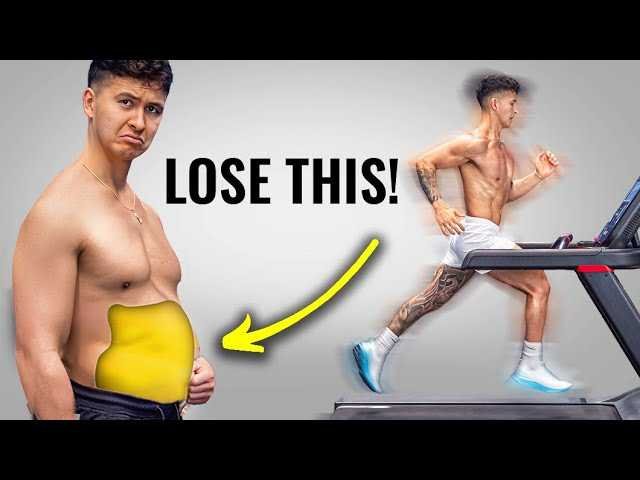
Yes, cardio can effectively help burn fat when done correctly. It’s one of the most popular and accessible ways to shed unwanted pounds, especially when paired with a healthy diet. Cardio workouts increase your heart rate, which boosts calorie burn and accelerates fat loss.
Engaging in cardio exercises like running, cycling, or swimming can be a game-changer for those looking to slim down. But does it really help burn fat efficiently? The answer is yes, if you stick to a consistent routine and combine it with balanced nutrition. Cardio not only burns calories during the activity but also boosts your metabolism, helping your body burn fat even at rest. Understanding how cardio works and how to optimize your workouts can make all the difference in achieving your weight loss goals.

Does Cardio Help Burn Fat?
Many people wonder if doing cardio exercises actually helps with burning fat. The simple answer is yes, but there is more to understand about how cardio works and how it impacts fat loss. Let’s explore this topic in detail to clear up any confusion.
Understanding How Cardio Works
Cardio exercises are activities that increase your heart rate and breathing. These include running, cycling, swimming, walking, and dancing. When you do cardio, your body burns calories to produce energy needed for the activity.
Burning calories is essential for weight loss. If you burn more calories than you consume, you will lose body fat. Cardio can significantly contribute to creating this calorie deficit.
The Science Behind Fat Burning During Cardio
During low to moderate intensity cardio, your body primarily uses fat as its main fuel source. At higher intensities, it shifts towards carbohydrates, but fat burning still happens.
In fact, a common misconception is that high-intensity cardio burns more fat. While it burns more calories overall, low to moderate intensity cardio burns a higher percentage of fat calories during exercise.
How Long Should You Do Cardio to Burn Fat?
Research suggests that engaging in at least 30 minutes of moderate-intensity cardio most days of the week can help burn fat effectively. Longer sessions, around 45 to 60 minutes, may accelerate fat loss, especially when combined with a healthy diet.
However, intensity matters. Shorter, more intense sessions can also be effective for burning fat, especially when combined with strength training.
The Role of Duration and Intensity in Fat Loss
Duration
Extended cardio sessions increase the total number of calories burned. This helps create a calorie deficit needed for fat reduction. Consistency over time makes a significant difference.
Intensity
Higher intensity exercises boost your calorie burn per minute. High-intensity interval training (HIIT) is a popular method that combines short bursts of vigorous activity with recovery periods.
HIIT can burn a lot of calories quickly and may lead to more fat loss in less time compared to steady-state cardio.
Steady-State Cardio Vs. HIIT
| Steady-State Cardio | High-Intensity Interval Training (HIIT) |
|---|---|
| Maintains a consistent pace | Alternates between intense effort and rest |
| Less stressful on joints | Burns more calories in less time |
| Great for beginners and endurance | Ideal for busy schedules |
Both methods can help burn fat, but HIIT often leads to greater post-exercise calorie burn, called excess post-exercise oxygen consumption (EPOC). This means you keep burning calories even after finishing your workout.
Additional Benefits of Cardio for Fat Loss
- Boosts metabolism: Regular cardio can increase your resting metabolic rate, helping you burn more calories daily.
- Improves heart health: Stronger hearts pump blood more efficiently, supporting overall health and exercise capacity.
- Reduces stress levels: Cardio releases endorphins, which can help control emotional eating.
- Supports muscle endurance: Cardiovascular training enhances stamina, making other workouts more effective.
Combining Cardio with Other Exercise Types
While cardio is great for burning calories, combining it with strength training can produce better fat loss results. Muscle tissue burns more calories at rest, aiding overall fat reduction.
A balanced workout plan should include both cardio and resistance exercises. This approach boosts metabolism, preserves muscle mass, and optimizes fat burning.
Diet and Cardio: A Powerful Duo
Exercise alone may not lead to significant fat loss without proper nutrition. Eating a healthy, calorie-controlled diet enhances the effects of cardio workouts.
Focus on consuming whole foods, lean proteins, healthy fats, and plenty of vegetables. Staying hydrated and avoiding high-sugar foods supports your fat-burning goals.
Common Mistakes That Hinder Fat Loss During Cardio
- Overdoing cardio without rest: Excessive cardio can lead to fatigue and injury, reducing overall progress.
- Ignoring diet: Exercising without diet management may prevent noticeable fat loss.
- Skipping strength training: Relying solely on cardio can lead to muscle loss, which lowers metabolism.
- Not varying workouts: Doing the same routine can cause plateaus. Mix cardio types and intensities for continued progress.
Incorporating Cardio Into Your Routine
Start with manageable sessions of at least 20 to 30 minutes, three to five times weekly. Gradually increase intensity or duration as your fitness improves.
Mix different types of cardio to prevent boredom and target different muscle groups. For example, alternate walking, cycling, and swimming throughout the week.
Monitoring Your Progress
Keep track of your workouts and weight changes to see what works best for you. Use a journal or fitness app to monitor duration, intensity, and how you feel afterward.
Combine this with periodic measurements of body fat percentage to get a complete picture of your fat-burning progress.
Long-Term Benefits of Consistent Cardio
Regular cardio practice helps sustain fat loss and improves overall health. It can also increase energy levels, improve sleep, and elevate mood.
Consistency is key, and making cardio a habit will support your weight management goals and overall well-being over time.
In summary, cardio undeniably helps burn fat by increasing calorie expenditure, boosting metabolism, and supporting healthy habits. When paired with nutrition and strength training, it becomes an effective component of a balanced approach to losing body fat and enhancing health.
Frequently Asked Questions
How does cardio influence overall fat loss during a workout routine?
Cardio exercises increase your heart rate, which helps burn calories during each session. When you consistently include cardio in your routine, it creates a calorie deficit that leads to fat loss over time. While cardio alone contributes to burning calories, combining it with strength training enhances overall fat reduction and improves body composition.
Can performing cardio at different intensities affect how much fat I burn?
Yes, the intensity of your cardio workout impacts fat burning. Moderate-intensity cardio allows your body to utilize a higher percentage of fat for fuel, especially during longer sessions. High-intensity cardio burns more calories overall and can boost your metabolism post-workout, but it may rely more on carbohydrates initially. Combining both approaches can optimize fat burning.
Does the duration of cardio sessions determine their effectiveness for fat loss?
Longer cardio sessions generally lead to more calories burned, which supports fat loss. However, the intensity and consistency of your workouts play crucial roles. Short, high-intensity sessions can also be effective, especially when performed regularly. Finding a balance that fits your fitness level helps maximize fat burning without risking burnout or injury.
Is cardio better than other forms of exercise for burning fat?
Cardio is efficient for calorie expenditure and fat burning, but incorporating strength training and other activities offers additional benefits. While cardio primarily burns calories during the activity, strength training builds muscle that increases resting metabolic rate, leading to more fat being burned throughout the day. A varied routine provides the best results for fat loss.
Final Thoughts
In conclusion, does cardio help burn fat? Yes, cardio is effective for burning calories and reducing body fat. Combining cardio with strength training offers the best results for fat loss. Consistency and proper nutrition complement your workout efforts. Overall, incorporating regular cardio sessions supports your fat-burning goals efficiently.
As an Amazon Associate, We earn from qualifying purchases. When you purchase a product through Amazon links on pulsefitguide.com, we may earn a small commission at no extra cost to you. This helps support the site and keep our content free.