

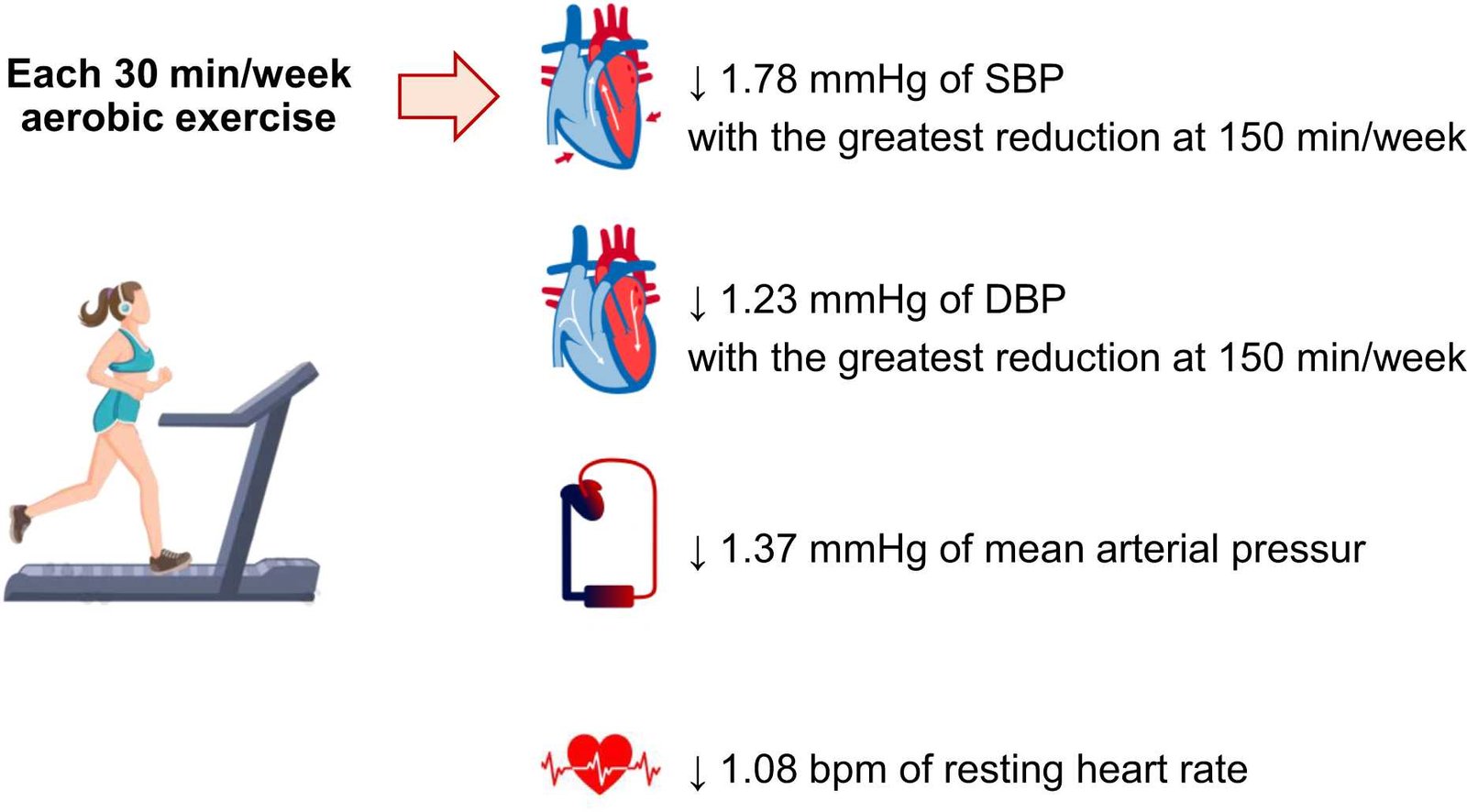
Yes, cardio exercises can significantly help lower blood pressure. Engaging in regular aerobic activities like walking, cycling, or swimming boosts heart health and reduces hypertension risk. These workouts improve blood flow, strengthen your heart muscles, and promote better arterial flexibility, all of which contribute to healthier blood pressure levels.
Regular cardio is a powerful tool in managing blood pressure effectively. By incorporating consistent aerobic exercise into your routine, you can see noticeable improvements in your cardiovascular health and overall well-being. Now, imagine the positive impact on your daily life: feeling more energized, less stressed, and taking control of your health. If you’re wondering whether cardio can really make a difference for blood pressure, the answer is a resounding yes—it’s a simple yet effective way to promote heart health naturally and sustainably.
High blood pressure, or hypertension, affects millions worldwide and is a leading risk factor for heart disease and stroke. While medication is often prescribed, lifestyle changes such as regular physical activity are equally vital. Cardio exercises elevate your heart rate and enhance the efficiency of your circulatory system. The beauty of cardio is its accessibility and ease—you don’t need fancy equipment or gym memberships; a brisk walk in the park or a bike ride can make a real difference. This form of exercise not only helps regulate blood pressure but also boosts mood, improves stamina, and supports overall health. So, if you’re looking for a natural, enjoyable way to keep your blood pressure in check, cardio exercises are highly recommended.

Does Cardio Help Blood Pressure? Exploring the Connection
Many people ask if doing cardio exercises can help lower their blood pressure. The simple answer is often yes, but understanding how and why can give you a clearer picture of its benefits. Let’s look into how cardio activity impacts blood pressure and what you can do to stay healthy.
What Is Cardio Exercise?
Cardio exercise, also called aerobic exercise, involves activities that increase your heart rate. Examples include walking, jogging, cycling, swimming, and dancing. These exercises make your heart and lungs work harder, which can be good for your overall health.
Regular cardio workouts help burn calories, strengthen your heart, and improve your stamina. They are recommended for anyone looking to stay fit and manage health conditions like high blood pressure.
How Does Cardio Impact Blood Pressure?
Engaging in cardio exercises causes your heart to pump more blood. Over time, this helps make your heart stronger and more efficient. A stronger heart can pump blood more effectively with less effort, which may lower blood pressure.
Many studies show that regular cardio activity can reduce systolic blood pressure (the top number) and diastolic blood pressure (the bottom number). This effect is often seen after several weeks of consistent exercise.
The Science Behind Cardio and Blood Pressure Reduction
Effect on Blood Vessel Flexibility
Cardio exercises promote the flexibility of blood vessels. When vessels are more flexible, blood flows more easily, which helps lower blood pressure. This is because stiff arteries can make blood pressure rise.
Impact on Heart Efficiency
Through regular cardio workouts, the heart becomes better at pumping blood. A more efficient heart reduces the strain on arteries, helping keep blood pressure in check.
Reducing Resistance in Blood Flow
Exercise helps reduce resistance in blood flow by dilating blood vessels. This decreases the pressure needed to circulate blood, leading to lower readings on your blood pressure monitor.
Benefits of Cardio for Blood Pressure Management
- Lower systolic and diastolic blood pressure readings
- Reduced risk of developing hypertension
- Improved blood vessel health and flexibility
- Better heart function and stamina
- Weight management, which also affects blood pressure
Making cardio a regular part of your routine can greatly diminish chances of future complications like strokes and heart attacks associated with high blood pressure.
How Much Cardio Is Needed to See Results?
The American Heart Association recommends at least 150 minutes of moderate-intensity aerobic activity weekly. This can be broken into manageable sessions, such as 30 minutes five days a week.
For more significant blood pressure improvements, some people may need up to 300 minutes of moderate exercise weekly. Consistency is key—doing exercise regularly produces the best results.
Tips for Starting a Cardio Routine Safely
- Begin slowly, especially if new to exercise
- Always warm up and cool down
- Choose activities you enjoy to stay motivated
- Consult your doctor before starting if you have health concerns
Gradually increasing intensity and duration can prevent injury and help your body adapt smoothly.
Types of Cardio Exercises That Help Blood Pressure
Moderate-Intensity Activities
Walking briskly, swimming, and cycling at a comfortable pace are excellent options. They keep your heart moving without overexertion.
High-Intensity Cardio
Activities like running, aerobics classes, or stair climbing can boost your heart rate significantly. These might have a stronger impact on lowering blood pressure in some individuals.
Incorporating Variety
Changing your routine helps prevent boredom and works different muscle groups. Combining walking with swimming or cycling can add variety and appeal.
The Role of Lifestyle in Supporting Cardio Benefits
Cardio exercise works best when combined with a healthy diet rich in vegetables, fruits, whole grains, and lean proteins. Reducing salt intake can also amplify blood pressure-lowering effects.
Limiting alcohol consumption and quitting smoking support cardiovascular health and enhance exercise benefits.
Managing stress through activities like yoga or meditation complements physical activity in controlling blood pressure.
Monitoring Your Progress and Adjusting Your Routine
Regularly check your blood pressure to see how your efforts are paying off. Keep a log of your exercise, noting duration, intensity, and how you feel afterward.
If your blood pressure doesn’t improve, consider increasing exercise duration or intensity. Always discuss changes with your healthcare provider for personalized advice.
Signs to Watch For During Exercise
- Dizziness or lightheadedness
- Chest pain or tightness
- Excessive shortness of breath
- Unusual fatigue or weakness
If any of these occur, stop exercising and consult your doctor immediately.
Long-Term Commitment and Its Rewards
Consistent cardio activity can lead to sustained blood pressure control. Over months and years, it can delay the progression of hypertension and reduce medication dependency.
Sticking with a routine also improves overall well-being, energy levels, and mental health, making it easier to maintain healthy habits.
Related Topics to Enhance Blood Pressure Control
Weight Loss and Blood Pressure
Carrying excess weight strains your heart and raises blood pressure. Combining cardio with weight management can produce significant improvements.
Diet and Exercise Synergy
A balanced diet enhances the effects of cardio workouts. For example, reducing salt and increasing potassium-rich foods can further lower blood pressure.
Medication and Lifestyle Changes
Some people may need medication alongside lifestyle changes. Regular exercise can reduce the need for high doses or multiple drugs over time.
In summary, cardio exercises profoundly influence blood pressure by improving heart health, increasing vessel flexibility, and reducing vascular resistance. Making cardio a consistent part of your lifestyle, combined with healthy eating and stress management, can help you keep your blood pressure in a safe range and improve your overall health.
Frequently Asked Questions
How does regular cardio exercise influence blood pressure levels over time?
Engaging in consistent cardiovascular activities helps the heart become more efficient at pumping blood. This improved efficiency can lead to lower blood pressure readings as the heart requires less effort to circulate blood throughout the body. Over time, regular cardio can contribute to better vascular health and reduce the risk of hypertension.
Can short-term cardio workouts immediately affect blood pressure readings?
Yes, even brief periods of cardio exercise can lead to immediate reductions in blood pressure. During physical activity, blood vessels dilate, which allows blood to flow more easily. After finishing a workout, blood pressure can stay lower for a few hours, especially if you regularly include physical activity in your routine.
What types of cardio exercises are most effective for managing blood pressure?
Activities like brisk walking, cycling, swimming, and jogging are highly effective for controlling blood pressure. These exercises increase heart rate and promote better circulation without putting excessive strain on the body, making them suitable options for many individuals aiming to improve their cardiovascular health.
Is there a recommended duration and frequency of cardio workouts for blood pressure benefits?
Most health guidelines suggest aiming for at least 150 minutes of moderate-intensity cardio activity each week, divided into sessions of about 30 minutes, five days a week. Consistency is key, as regular exercise significantly contributes to sustained blood pressure management and overall heart health.
Are there any precautions to consider before starting a cardio routine for blood pressure control?
Before beginning a new cardio program, especially if you have existing health concerns or high blood pressure, consult with a healthcare professional. Start slowly, gradually increasing intensity and duration to prevent overstressing your body. Monitoring your blood pressure regularly can help you adjust your routine as needed for safe and effective results.
Final Thoughts
Cardio exercises are effective for lowering blood pressure and improving heart health. Regular aerobic activity strengthens the heart and enhances circulation. As a result, blood pressure levels tend to decrease over time.
Engaging in consistent cardio can lead to healthier blood pressure readings, reducing the risk of hypertension-related complications. Even moderate activity like brisk walking or cycling makes a difference.
Does cardio help blood pressure? Absolutely. Incorporating cardio into your routine supports cardiovascular health and helps maintain optimal blood pressure levels efficiently.
As an Amazon Associate, We earn from qualifying purchases. When you purchase a product through Amazon links on pulsefitguide.com, we may earn a small commission at no extra cost to you. This helps support the site and keep our content free.