

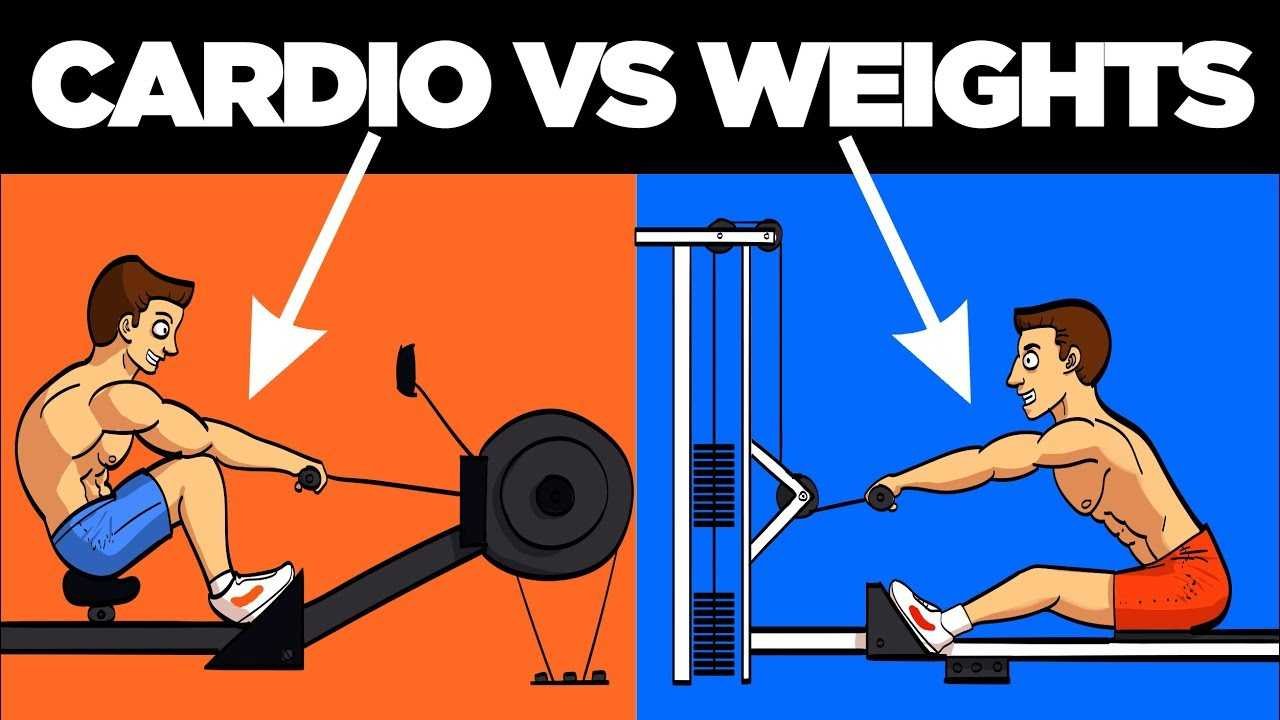
Quick answer: Cardio generally burns more calories during a workout, which can lead to faster fat loss, but weight lifting builds muscle that boosts your metabolism over time. The best approach often combines both for optimal fat burning and muscle gain.
If you’re wondering whether cardio or weight lifting is more effective for burning fat, the answer depends on your goals and how each fits into your routine. Cardio burns more calories during the activity itself, making it great for quick fat loss, but weight lifting helps shape your body and revs up your metabolism long after you finish. Understanding how these two types of exercise work can help you tailor your workouts for maximum results. Whether you’re aiming for quick fat reduction or long-term muscle and metabolic health, knowing the strengths of each can guide you toward a balanced and effective fitness plan.

Does Cardio Burn More Fat Than Weight Lifting?
Understanding How Your Body Burns Fat
When you exercise, your body primarily uses carbohydrates and fats for energy. The type of exercise you do can influence which fuel source your body prefers. Cardio workouts typically increase fat burning during the activity, while weight lifting affects fat loss differently.
Does Cardio Burn More Calories During Exercise?
Cardio exercises like running, cycling, or swimming generally burn more calories per session than lifting weights. Because of this higher calorie expenditure, cardio can be more effective for immediate fat loss during the workout. For example, a 30-minute run may burn around 300 calories, while weight lifting might burn fewer calories in the same period.
The Difference Between Burning Calories and Burning Fat
Burning calories during activity does not always mean burning fat directly. Your body uses a mix of carbohydrate and fat stores to meet energy demands. During high-intensity workouts, your body relies more on carbohydrates, whereas at lower intensities, fat becomes a larger fuel source.
Post-Exercise Fat Burning: The Afterburn Effect
While cardio burns more calories in real-time, weight lifting offers a benefit called excess post-exercise oxygen consumption (EPOC). This means your body continues to burn extra calories after lifting weights, which can help in reducing body fat over time. This phenomenon is less pronounced after cardio workouts but still contributes to overall fat loss.
Impact of Workout Intensity and Duration
Intensity and duration greatly influence fat burning. Light to moderate cardio performed for longer periods is effective for burning fat. On the other hand, high-intensity interval training (HIIT) combines bursts of intense effort with recovery periods and is shown to boost fat burning efficiently, both during and after sessions.
Effectiveness of Cardio for Fat Loss
Many studies show that steady-state cardio is excellent for burning calories and reducing fat stores. It is especially beneficial for beginners or those with joint issues since it is easier on the body. Regular cardio sessions help to create a calorie deficit essential for fat reduction.
Effectiveness of Weight Lifting for Fat Loss
Weight lifting helps build muscle, which increases resting metabolic rate. More muscle means your body burns more calories even when resting. As a result, it contributes to fat loss indirectly by boosting overall calorie expenditure.
Merging Cardio and Weight Lifting for Optimal Fat Loss
Combining both exercise types offers the best results. Cardio burns calories quickly, while weightlifting adds muscle, which burns calories longer-term. A balanced workout plan that includes both can maximize fat loss and improve fitness.
Sample Workout Plans
- Three days of moderate-intensity cardio for 30 to 45 minutes
- Two to three days of weight lifting focusing on major muscle groups
- Optional HIIT sessions once or twice weekly to boost fat burning
Role of Diet and Lifestyle
Exercise alone does not guarantee fat loss. Eating a balanced diet with a moderate calorie deficit is key. Combining proper nutrition with consistent workouts enhances results whether doing cardio or lifting weights.
Additional Benefits of Cardio and Weight Lifting
Cardio improves cardiovascular health and endurance, reduces stress, and boosts mood. Weight lifting strengthens bones, enhances posture, and helps prevent age-related muscle loss. Both types of exercise support overall health beyond fat loss.
Common Misconceptions About Fat Loss
Some believe only cardio burns fat or that lifting weights leads to muscle bulk rather than fat loss. In reality, both exercises can contribute to fat reduction when combined with proper nutrition. The key is consistency and progressive overload.
Myth Busting: Is One Better Than the Other?
Neither cardio nor weight lifting alone is superior for fat loss. The best approach involves integrating both to enjoy the benefits of immediate calorie burn and long-term muscle growth. Tailor your workouts to your fitness level and goals for sustainable results.
Choosing the Right Exercise for Your Goals
If quick calorie burn is your goal, include regular cardio sessions. For long-term fat loss and muscle tone, incorporate strength training. Consider your preferences, lifestyle, and any physical limitations when designing your workout routine.
Ultimately, both cardio and weight lifting have their roles in fat loss strategies. Cardio can burn more calories during activity, but weight lifting enhances muscle and boosts resting metabolism. Combining them creates a versatile plan that promotes fat reduction, improves health, and increases fitness levels.
Frequently Asked Questions
How does the energy expenditure differ between cardio and weight lifting?
Cardio exercises typically burn more calories during the activity itself because they involve continuous, sustained movement like running, cycling, or swimming. Weight lifting, on the other hand, burns fewer calories during the session but can lead to increased calorie burn afterward due to muscle recovery processes, known as excess post-exercise oxygen consumption (EPOC).
Can weight lifting contribute to fat loss as effectively as cardio?
Yes, weight lifting can be highly effective for fat loss because it builds lean muscle mass, which increases resting metabolic rate. This means you burn more calories even while not exercising. Combining weight training with proper diet and cardio can lead to significant fat reduction over time.
Which form of exercise helps in reducing stubborn fat areas more effectively?
Targeting stubborn fat areas often requires a combination of exercise types. Cardio helps burn calories quickly, which can reduce overall body fat, including problematic regions. Meanwhile, weight lifting shapes and tones muscles in specific areas, improving appearance. A balanced mix of both proves most effective in reducing stubborn fat.
How does exercise duration influence fat burning in cardio versus weight lifting?
Longer durations of cardio typically lead to more fat being burned because of sustained energy expenditure. Weight lifting sessions may be shorter but involve higher intensity exercises that create a greater calorie burn during and after the workout. To maximize fat loss, incorporating both longer cardio sessions and intense weight training can be beneficial.
Is it necessary to do both cardio and weight lifting for optimal fat loss?
Combining both cardio and weight lifting provides comprehensive benefits. Cardio increases caloric expenditure and improves cardiovascular health, while weight lifting builds muscle and boosts metabolism. Integrating both into your routine helps accelerate fat loss and improves overall fitness.
Final Thoughts
The debate between cardio and weight lifting for fat loss is ongoing. Cardio typically burns more calories during the session, which can lead to quicker fat reduction. However, weight lifting builds muscle, increasing resting metabolic rate and promoting longer-term fat loss.
Both methods offer benefits, and combining them can maximize results. Ultimately, consistency and proper nutrition matter most.
Does cardio burn more fat than weight lifting? It depends on your goals, but incorporating both can yield the best outcome for overall fat loss and fitness.
As an Amazon Associate, We earn from qualifying purchases. When you purchase a product through Amazon links on pulsefitguide.com, we may earn a small commission at no extra cost to you. This helps support the site and keep our content free.