

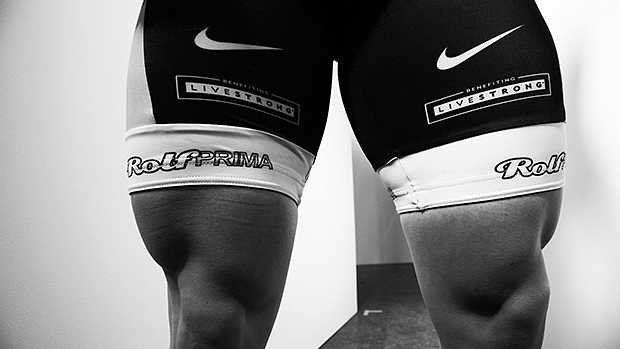
Yes, cardio can help strengthen your legs, but it doesn’t significantly build muscle mass like weightlifting does. Cardio mainly improves endurance and burns calories, leading to leaner legs rather than bigger muscles. If you’re looking to bulk up your leg muscles, incorporating resistance training is essential, but cardio is excellent for toning and maintaining overall leg health.
Engaging in cardio exercises such as running, cycling, or swimming often makes people wonder if they are also building muscle in their legs. While cardio is fantastic for cardiovascular health and fat loss, its ability to increase muscle size is limited. However, it can help improve muscle endurance and tone your legs, giving them a firmer, more defined appearance. Whether you’re aiming for leaner, stronger legs or trying to complement a muscle-building routine, understanding how cardio fits into your fitness goals can help you design a balanced workout plan that works best for your body.

Does Cardio Build Leg Muscle? An In-Depth Look
Understanding What Cardio Is
Cardio, short for cardiovascular exercise, includes activities like running, cycling, swimming, and jumping rope. These exercises increase your heart rate and improve your overall cardiovascular health. While they help burn calories and improve endurance, their impact on muscle building, especially in your legs, is often misunderstood.
How Cardio Influences Leg Muscles
Many believe that cardio is solely for losing weight, but it also affects your leg muscles in various ways. Depending on how you perform cardio, it can either build, maintain, or sometimes even weaken your leg muscles. The key lies in the intensity, duration, and type of exercise you choose.
Does Low-Impact Cardio Help Build Leg Muscles?
Low-impact activities like walking or gentle cycling are easier on your joints and might not significantly increase muscle size. They help maintain muscle tone and endurance but generally don’t cause muscle hypertrophy. Such activities are beneficial for overall fitness without overly stressing the muscles.
High-Intensity Cardio and Muscle Growth
High-intensity exercises such as sprinting and hill running can stimulate muscle growth in your legs. When performed with effort, they create muscle fatigue, which encourages muscle fibers to adapt and grow stronger. However, they are more effective at improving speed and power rather than significantly increasing muscle size.
Endurance vs. Strength Building in Cardio
Different types of cardio focus on different adaptations. Endurance training, like long-distance running, emphasizes stamina but doesn’t promote much muscle growth. In contrast, short, intense bouts like sprinting can promote muscle hypertrophy because they require more power output from your leg muscles.
Frequency and Duration: Key Factors
The amount of cardio you perform greatly influences muscle development. Too much cardio, especially without strength training, can lead to muscle loss. Conversely, moderate cardio combined with resistance exercises can promote muscle maintenance and even growth in your legs.
The Role of Resistance in Cardio
Adding resistance during cardio, such as running on hilly terrain or using a weighted vest, makes your leg muscles work harder. This extra effort can lead to muscle hypertrophy, especially when combined with proper nutrition and recovery. Incorporating interval training with resistance boosts muscle activation.
Balancing Cardio and Strength Training
To build legs effectively, it’s important to balance cardio with resistance training. Exercises like squats, lunges, and leg presses directly target muscle growth. Combining these with cardio improves overall leg strength and size without overtraining your muscles.
Muscle Recovery and Overtraining
Overdoing cardio without adequate rest can hinder muscle growth and cause fatigue. Rest days allow your muscles to recover and grow stronger. Proper recovery is especially important after high-intensity cardio sessions or resistance training.
How Nutrition Affects Leg Muscle Development During Cardio
Eating enough protein and calories supports muscle repair and growth. When performing cardio, ensure your diet includes quality proteins, healthy fats, and carbohydrates. Proper nutrition helps your muscles recover faster and grow stronger from exercise.
Related Topics: Plyometrics and Sprint Workouts
Plyometric exercises like jump squats and box jumps are great for building explosive leg strength. Sprint workouts also improve both power and muscle size when performed with intensity. Incorporating these into your routine can complement your cardio efforts for better leg muscle development.
Summary of Key Points
- Low-impact cardio mainly maintains muscle tone but doesn’t cause hypertrophy.
- High-intensity and sprinting exercises can promote muscle growth in legs.
- Balancing cardio with resistance training leads to better muscle development.
- Proper nutrition and recovery are vital for building leg muscles through cardio.
- Adding resistance, such as hills or weighted exercises, enhances muscle activation.
Practical Tips for Building Leg Muscles with Cardio
- Include sprints or hill runs once or twice a week to stimulate muscle growth.
- Combine cardio with strength exercises like squats and lunges for maximum gains.
- Use resistance during cardio sessions to challenge your leg muscles further.
- Limit excessive cardio to avoid muscle loss and fatigue.
- Ensure a protein-rich diet to support muscle repair and growth.
While traditional cardio might not be the best method to build large leg muscles, it certainly plays a supportive role. Integrating high-intensity cardio, resistance work, and proper nutrition creates an effective plan for developing stronger, more muscular legs. Remember, balancing cardio with strength training leads to optimal results and helps prevent overtraining or injury.
Frequently Asked Questions
Can doing cardio help increase the strength and size of leg muscles?
Cardio exercises primarily focus on improving cardiovascular health and endurance. While some forms of cardio, like running or cycling, can lead to muscle endurance and slight hypertrophy in the legs, they generally do not promote significant muscle growth or strength gains. To build larger and stronger leg muscles, incorporate resistance training specifically targeting those muscles alongside cardio workouts.
How does consistent cardio affect muscle fatigue in the legs?
Engaging in regular cardio causes your leg muscles to adapt to repetitive movements, which can improve muscle endurance over time. However, excessive cardio without adequate rest or strength training might lead to muscle fatigue and prevent muscle hypertrophy. Balancing cardio with strength exercises helps ensure your muscles recover and grow stronger rather than becoming overly fatigued.
Are there specific cardio activities that are better for developing leg muscles?
Activities like running, cycling, and stair climbing actively engage the leg muscles and can lead to some muscle development, especially in endurance and tone. Nevertheless, to see substantial muscle growth, supplement these activities with weight training or resistance exercises focused on the legs. Cardio alone typically cannot lead to significant hypertrophy in leg muscles.
Final Thoughts
Cardio exercises primarily focus on improving cardiovascular health and burning calories. While running, cycling, or swimming can strengthen leg muscles, they may not significantly increase muscle size.
Building substantial leg muscles usually requires resistance training with weights or bodyweight exercises.
Does cardio build leg muscle? It can enhance muscle endurance and tone but typically doesn’t lead to large muscle growth on its own.
As an Amazon Associate, We earn from qualifying purchases. When you purchase a product through Amazon links on pulsefitguide.com, we may earn a small commission at no extra cost to you. This helps support the site and keep our content free.