

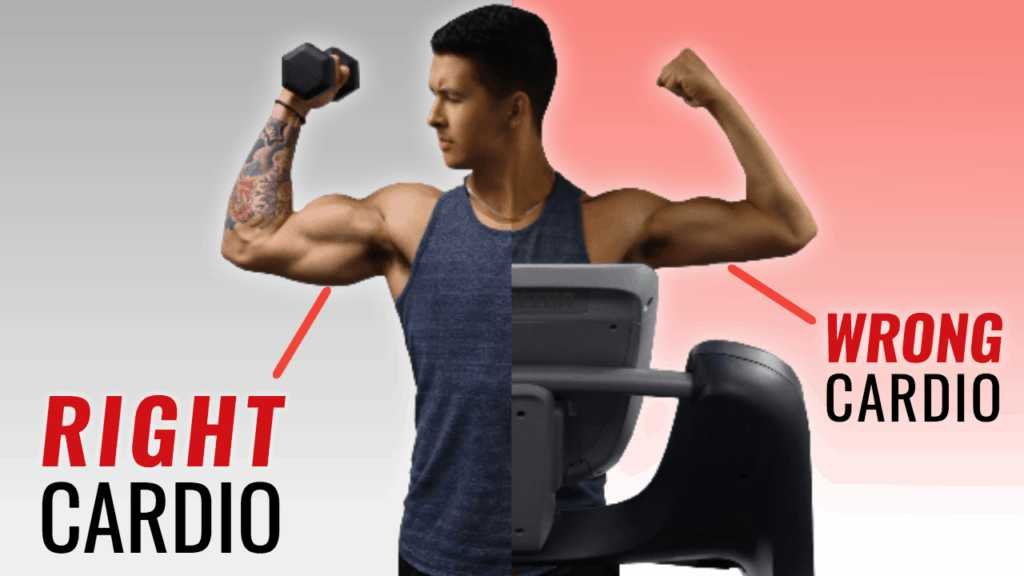
Absolutely, doing cardio after weights can influence muscle growth, but it depends on your fitness goals and intensity. If you’re aiming to maximize muscle gain, performing intense cardio immediately after lifting might slightly hinder your progress by increasing fatigue and calorie expenditure. However, for overall fitness, fat loss, or endurance, cardio post-strength training can be beneficial without significantly compromising muscle development.
Engaging in cardio after weights is a common workout strategy that many gym enthusiasts wonder about. The main concern is whether cardio might interfere with muscle gains. The truth is, moderate cardio after lifting doesn’t necessarily stunt muscle growth and can even boost recovery when done right. But, the key lies in balancing intensity and duration to align with your personal goals. Whether you’re a bodybuilder or someone focused on general health, understanding how post-workout cardio impacts muscle development can help optimize your training routine.

Does Cardio After Weights Affect Muscle Growth?
Understanding the Basics of Muscle Growth and Cardio
To answer whether doing cardio after weights impacts muscle growth, it’s important to understand how muscles develop. When you lift weights, you create small tears in muscle fibers, which then repair and grow stronger. Cardio, on the other hand, increases your heart rate and burns calories, primarily affecting your cardiovascular system. The way these two workouts interact can influence muscle building in different ways.
How Cardio Impacts Muscle Recovery
Performing cardio after weight training can influence how quickly your muscles recover. Light to moderate cardio may promote blood flow, helping remove waste products and deliver nutrients to muscles. However, intense cardio can lead to fatigue, which might interfere with muscle repair. The key is balancing the intensity and duration of cardio sessions with your strength training goals.
Timing Matters: Cardio Before or After Weights
Many people wonder if it’s better to do cardio before or after lifting weights. Doing cardio prior can warm up your muscles, reducing injury risk. Yet, it may deplete energy levels, making your weight session less effective. Performing cardio after weights allows you to focus fully on strength training first, which is generally preferred if muscle growth is your main goal.
Effects of Cardio on Muscle Protein Synthesis
Muscle protein synthesis (MPS) is the process through which your body builds new muscle tissue. Engaging in cardio afterward can sometimes hinder MPS if it’s too intense or long. This is because prolonged cardio can increase cortisol, a stress hormone that may break down muscle tissue. Keeping cardio sessions moderate and brief can mitigate this effect.
Research Findings on Cardio and Muscle Growth
Studies show mixed results about cardio after weights. Some research indicates that doing cardio immediately after lifting can slightly reduce gains if done excessively. Conversely, short, moderate cardio sessions don’t significantly impair muscle growth and can improve overall fitness. The overall conclusion is that moderation is crucial to avoid adverse effects.
How to Incorporate Cardio Without Hindering Muscle Growth
To include cardio in your routine without limiting muscle gains, consider the following strategies:
- Keep cardio sessions moderate: Aim for 20 to 30 minutes at a steady pace.
- Choose low-impact activities: Walking, cycling, or swimming can be easier on your muscles.
- Separate cardio and weights on different days: If possible, perform cardio and weight training on alternate days.
- Prioritize nutrition: Consume enough protein and calories to support muscle repair and energy needs.
Different Types of Cardio and Their Effects
Not all cardio is equal when it comes to muscle growth. Here are common types and their impact:
Steady-State Cardio
This involves maintaining a constant pace, like jogging or cycling. It’s less likely to interfere with muscle recovery if kept under 30 minutes.
High-Intensity Interval Training (HIIT)
HIIT involves bursts of intense activity followed by rest. While effective for fat loss and cardiovascular health, it can be more taxing on muscles and may temporarily hinder muscle growth if overdone.
Low-Impact Cardio
Activities like swimming or brisk walking cause less muscle fatigue and are gentle on joints, making them suitable for recovery days.
Nutrition Strategies to Support Muscle Growth During Cardio
Proper nutrition plays a vital role in balancing cardio and muscle development. Consuming sufficient protein before and after workouts helps repair muscles. Eating carbohydrate-rich foods can replenish glycogen stores used during cardio sessions. Staying hydrated is also essential to maintain performance and recovery.
Adjusting Your Routine Based on Goals
If building muscle is your primary goal, prioritize strength training with minimal cardio. For those aiming for overall fitness and endurance, integrating moderate cardio is beneficial. Athletes balancing both should tailor session intensity and timing to suit their individual needs.
Common Mistakes and How to Avoid Them
Some common errors include doing prolonged high-intensity cardio right after lifting or neglecting recovery. To prevent these issues, limit intense cardio to shorter sessions and allow enough rest for muscles. Monitoring how your body responds helps fine-tune your routine.
The Bottom Line
Performing cardio after weights doesn’t automatically hinder muscle growth if done correctly. The impact depends on the timing, intensity, and duration of cardio sessions. With proper planning, you can improve your cardiovascular health without sacrificing muscle gains.
Related Topics
- Optimal nutrition for muscle building
- Best cardio exercises for fitness
- Recovery strategies for strength athletes
- Balancing cardio and strength training
- How to prevent muscle loss during cardio
Maintaining a balanced approach ensures you enjoy the benefits of both cardio and strength training. By adjusting your workout schedule and paying attention to your body, you can support muscle growth while improving your cardiovascular health.
Frequently Asked Questions
How does doing cardio immediately after weightlifting impact muscle recovery?
Engaging in cardio right after lifting weights can temporarily increase muscle fatigue and may slightly hinder the recovery process. However, if you keep the cardio session moderate and limit its duration, it shouldn’t significantly affect muscle repair. Prioritize proper nutrition and rest to support recovery regardless of your workout sequence.
Can performing cardio after strength training reduce muscle hypertrophy?
Performing intense or prolonged cardio after strength training can potentially reduce muscle gains because it may lead to increased fatigue and calorie expenditure that interfere with muscle building processes. To maximize hypertrophy, keep cardio sessions moderate and allow sufficient time between weightlifting and cardio or consider scheduling them on separate days.
Is it better to do cardio before or after weight training for muscle growth?
For optimal muscle growth, performing weights first allows you to lift with maximum effort, as your energy levels are higher. Doing cardio beforehand can deplete glycogen stores and reduce performance during weightlifting. If your goal emphasizes building muscle, prioritize lifting and add cardio afterward or on separate days.
Does the type of cardio influence its effect on muscle development?
Yes, low-impact, steady-state cardio tends to have less negative effect on muscle mass compared to high-intensity or prolonged cardio. Incorporating shorter, moderate-intensity sessions helps preserve muscle while supporting cardiovascular health. Adjust your cardio type based on your specific goals and training volume.
How can I balance cardio and strength training to ensure muscle growth?
To balance both, schedule cardio sessions on different days from heavy lifting or perform them after weight training with low to moderate intensity. Maintain a nutritious diet that supports muscle repair, and ensure adequate rest. Listening to your body and adjusting the intensity and duration of cardio can help prevent compromising your muscle-building efforts.
Final Thoughts
Doing cardio after weights can influence muscle growth, but the impact varies based on intensity and duration. Light cardio may not hinder gains and can aid recovery, while intense sessions might compete with muscle-building efforts.
Timing and balance are key to maximizing both endurance and strength goals.
In conclusion, does cardio after weights affect muscle growth? It depends on how you structure your workout; moderate cardio typically does not impede muscle gains when combined thoughtfully.
As an Amazon Associate, We earn from qualifying purchases. When you purchase a product through Amazon links on pulsefitguide.com, we may earn a small commission at no extra cost to you. This helps support the site and keep our content free.