

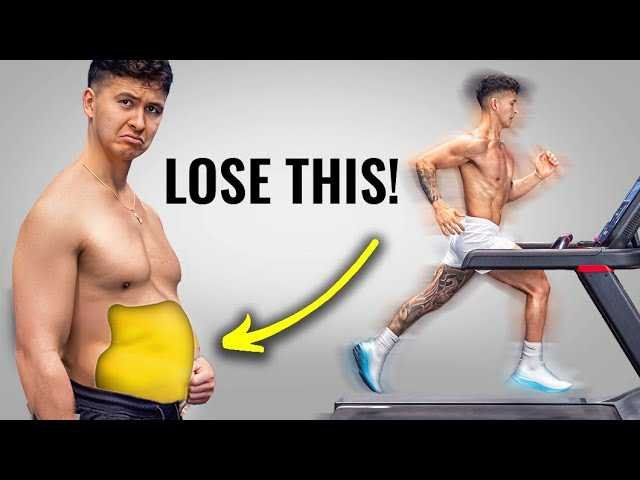
Yes, cardio does help burn fat, but the extent depends on intensity, duration, and overall lifestyle. Engaging in regular cardiovascular exercise can be effective for fat loss, especially when combined with a healthy diet and strength training.
Cardio is often seen as the go-to workout for shedding pounds, but there’s more to the story. Many people wonder if just running or cycling is enough to torch fat effectively. The truth is, while cardio plays a significant role in burning calories and helping you lose weight, it’s not the only piece of the puzzle. The key is consistency and how you incorporate cardio into a balanced fitness routine aimed at fat reduction. Let’s explore how cardio works for fat burning, the best practices, and how to maximize its benefits for your weight loss goals.

Does Cardio Actually Burn Fat?
Many people wonder if doing cardio workouts is the best way to shed fat and get in shape. While cardio is popular for weight loss, its true effectiveness depends on several factors. In this article, we’ll explore whether cardio really burns fat and how it fits into a healthy fitness routine.
Understanding How Your Body Uses Energy
To know if cardio helps burn fat, it’s important to understand how your body uses energy during exercise. Your body primarily utilizes carbohydrates and fats for fuel. The balance between these sources depends on the intensity and duration of your activity.
During high-intensity workouts, your body tends to burn more carbohydrates because they are quicker to convert into energy. In contrast, at lower intensities, your body prefers to burn fat, making long, moderate cardio sessions potentially effective for fat loss.
How Cardio Works: The Science Behind Fat Burning
Energy Systems in the Body
Your body has three main energy systems: the phosphagen system, anaerobic glycolysis, and aerobic respiration. Cardio exercises primarily rely on aerobic respiration, which uses oxygen to burn both carbs and fat.
As exercise duration increases, your body shifts towards burning more fat. This is because fat provides a larger source of energy during extended activities, whereas carbs are used for quick bursts of energy.
Fat Oxidation During Cardio
Fat oxidation, or burning fat for energy, peaks during moderate-intensity exercises lasting approximately 30 to 60 minutes. This means that performing cardio within this window can maximize fat-burning potential.
However, the total number of calories burned is equally important. Even if a workout burns a high percentage of fat, it might burn fewer total calories than a higher-intensity session that relies more on carbs.
Is Low or High-Intensity Cardio Better for Fat Loss?
Low-Intensity Cardio (LISS)
Low-Intensity Steady State (LISS) involves exercising at about 50-65% of your maximum heart rate. This type of cardio is easier to maintain for longer periods and emphasizes burning fat directly.
Benefits include less strain on joints and muscles and the ability to perform longer workouts, which can contribute to a calorie deficit necessary for fat loss.
High-Intensity Cardio (HIIT)
High-Intensity Interval Training (HIIT) involves short bursts of intense activity followed by rest periods. Although it uses more carbs during the workout, HIIT can increase post-exercise calorie burn, known as excess post-exercise oxygen consumption (EPOC).
Research shows HIIT can burn more total calories in less time and improve cardiovascular fitness, making it an effective method for fat loss when combined with a proper diet.
Calorie Burn and Fat Loss: What Matters Most?
Burning more calories than you consume is essential for losing fat. Cardio can definitely contribute by increasing your daily calorie expenditure. But even the most intense cardio workout won’t lead to fat loss if you eat more calories than you burn.
Tracking your calorie intake and ensuring a consistent caloric deficit are key. Combining cardio with strength training can also prevent muscle loss and help shape your body after fat reduction.
Cardio and Muscle Preservation
Importance of Strength Training
While cardio helps burn calories, strength training is crucial for preserving muscle mass during weight loss. Muscle tissue burns more calories at rest, increasing your resting metabolic rate.
Incorporating both cardio and resistance exercises creates a balanced routine that promotes fat loss while maintaining muscle strength and tone.
Best Practices for Combining Cardio and Strength
- Schedule cardio workouts at different times from strength sessions when possible.
- Focus on moderate to high-intensity strength exercises to preserve muscle mass.
- Ensure proper rest and recovery between workouts to optimize results.
Additional Tips to Maximize Fat Burning Through Cardio
- Consistency is key. Regular workouts are more effective than sporadic efforts.
- Gradually increase intensity to challenge your body and avoid plateaus.
- Mix up your routine. Alternate between low and high-intensity cardio sessions to stimulate different energy systems.
- Monitor your heart rate to stay within the optimal fat-burning zone, generally between 50-70% of your maximum heart rate.
- Combine cardio with a healthy diet. Focus on whole foods, lean proteins, healthy fats, and complex carbs to support fat loss.
Common Myths About Cardio and Fat Loss
Myth 1: Cardio Alone Will Melt Away All Fat
While cardio is effective for burning calories, relying solely on it without dietary changes limits fat loss. Combining exercise with proper nutrition is essential.
Myth 2: Longer Cardio Sessions Are Better
Longer workouts can increase calorie expenditure, but excessively long sessions may lead to fatigue and injury. Focus on consistent, manageable sessions for sustainable results.
Myth 3: High-Intensity Cardio Burns More Fat Than Low-Intensity
High-intensity workouts burn more total calories and improve fitness, but low-intensity exercises burn a higher percentage of fat, especially during extended sessions. Both have their place in a balanced routine.
Final Thoughts: Does Cardio Actually Burn Fat?
In summary, cardio does play a significant role in burning fat, especially when performed at the right intensity and duration. The most effective fat loss approach blends cardio with strength training, proper nutrition, and consistency. Remember, no single workout alone will produce dramatic results. A balanced, sustainable routine is the best way to achieve long-term fat loss and a healthier body.
Frequently Asked Questions
How effective is cardio at reducing body fat compared to other exercise forms?
Cardio is an effective way to burn calories and reduce overall body fat, especially when combined with a healthy diet. While strength training builds muscle and increases resting metabolic rate, cardio helps create a calorie deficit more directly. Incorporating both types of exercise often yields the best results in fat loss. The key is consistency and ensuring your workouts push your heart rate into the fat-burning zone for sustained periods.
Does the timing or duration of cardio sessions impact fat burning?
Yes, the length and timing of cardio sessions can influence how well your body burns fat. Longer sessions at moderate intensity are generally effective for sustained fat burning. Doing cardio early in the day or on an empty stomach may slightly increase fat oxidation, but overall, consistency over time has a more significant impact than specific timing. It’s important to listen to your body and choose durations that you can maintain regularly.
Can high-intensity interval training (HIIT) maximize fat loss through cardio?
High-intensity interval training (HIIT) can be highly effective at promoting fat loss because it combines short bursts of intense activity with recovery periods. This approach elevates your metabolism and burns more calories in less time compared to steady-state cardio. Additionally, HIIT can create an “afterburn” effect, where your body continues to burn calories even after the workout ends, further aiding fat loss.
Final Thoughts
Cardio effectively burns fat when combined with proper nutrition. It increases your calorie expenditure and helps create a caloric deficit, leading to fat loss.
While cardio is essential, diet plays a crucial role in burning fat. Consistent exercise paired with healthy eating yields the best results.
Does cardio actually burn fat? Yes, it does, especially during steady-state and high-intensity sessions. Incorporate it regularly to see noticeable fat reduction.
As an Amazon Associate, We earn from qualifying purchases. When you purchase a product through Amazon links on pulsefitguide.com, we may earn a small commission at no extra cost to you. This helps support the site and keep our content free.