

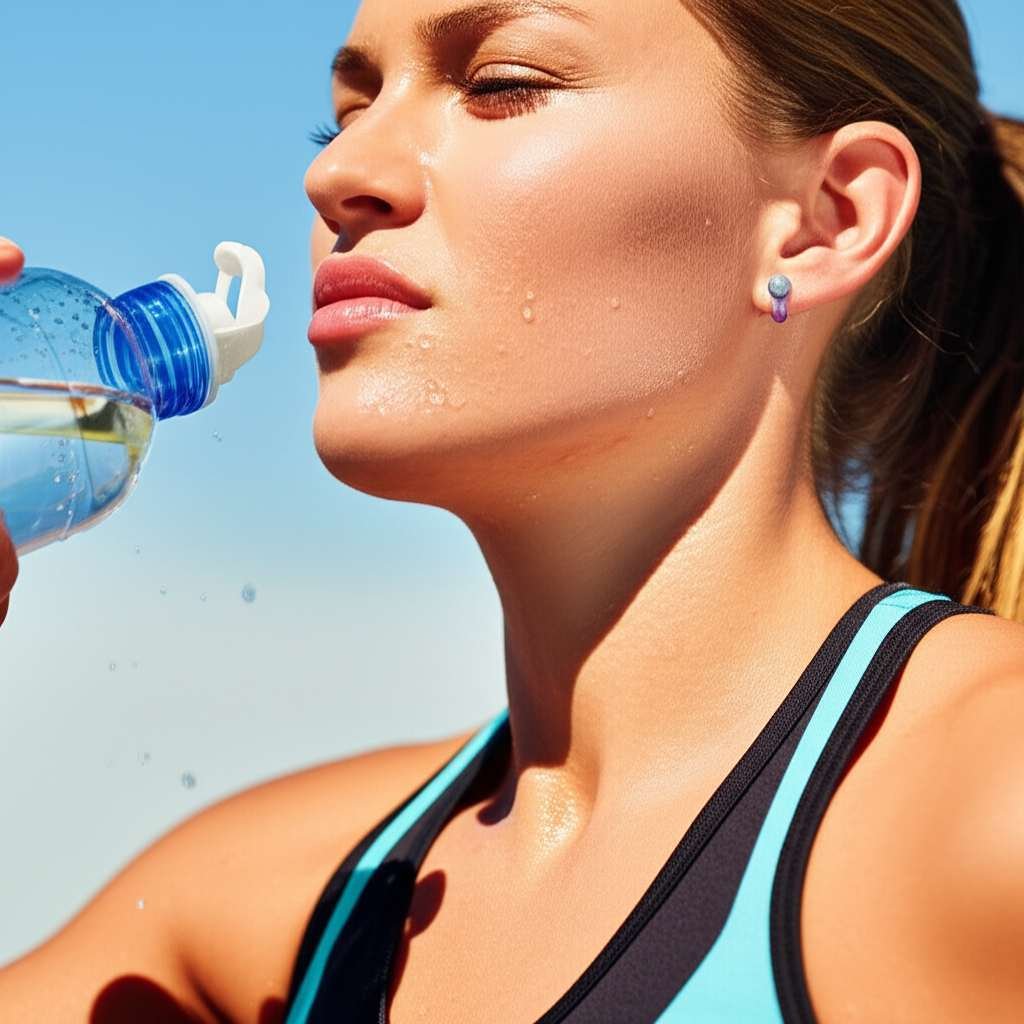
Yes, burning fat can contribute to dehydration, but it’s usually a minor factor easily managed with proper hydration. The primary cause of dehydration during weight loss is often increased fluid loss through sweat during exercise, not the fat-burning process itself. Staying hydrated is key to efficient metabolism and overall health.
Ever felt a little parched after a good workout or noticed you’re peeing less when you’re trying to shed a few pounds? It’s easy to connect these feelings to the idea that burning fat might be drying you out. This is a super common question, especially when you’re just starting your weight loss journey and trying to figure out all the moving parts.
It can feel confusing when you’re working hard, and your body seems to be doing something unexpected like losing water! But don’t worry, it’s not as complicated as it sounds. We’ll break down exactly what’s happening in your body when you burn fat and how it relates to hydration, step-by-step.
Understanding this can make a big difference in how you feel and how effective your weight loss efforts are. Let’s get to the bottom of this “shocking truth” together!
The Science Behind Fat Burning and Water
When you’re trying to lose weight, your body taps into stored fat for energy. This process is called lipolysis, and it’s a natural and healthy part of how your body works. Think of fat as stored energy packets your body can use when you’re not eating enough calories or when you’re being more active.
To burn this fat, your body uses a process that involves oxygen and releases energy. A byproduct of this energy release is water. Yes, you read that right – burning fat actually produces a small amount of water!
So, the idea that burning fat causes dehydration is a bit of a misconception. While the fat-burning process itself creates water, other factors associated with weight loss, like increased activity, can lead to water loss. We’ll dive into those factors next.
How Weight Loss Efforts Can Lead to Water Loss
While fat burning itself doesn’t dehydrate you, the lifestyle changes often involved in weight loss can increase your fluid needs. It’s important to distinguish between the direct metabolic process of fat burning and the activities you do to achieve it.
Here are the main ways your weight loss journey might make you feel like you’re losing more water than usual:
1. Increased Physical Activity
This is probably the biggest player! When you start exercising more to burn calories and fat, you sweat. Sweat is your body’s natural cooling system, and it’s made mostly of water and electrolytes. The more intense your workout, the more you sweat, and the more fluid you lose.
For example, a brisk 30-minute walk can cause you to lose a noticeable amount of fluid through sweat, especially in warm weather. High-intensity interval training (HIIT) or long runs can lead to even greater fluid loss.
2. Dietary Changes
Sometimes, when people start a new diet for weight loss, they might cut back on foods that have a high water content. Think about fruits and vegetables – they’re packed with water! If your diet shifts towards drier foods, you might consume less water overall from your food.
Also, some popular diets might affect your body’s water balance. For instance, low-carbohydrate diets can lead to an initial rapid drop in water weight. This happens because carbohydrates are stored in your body with water. When you reduce carbs, your body uses up these stores, releasing the water that was bound to them.
3. Increased Metabolism and Body Temperature
When your metabolism speeds up due to increased muscle mass or more efficient energy production, your body might generate a bit more heat. To regulate this increased internal temperature, your body might sweat a little more, even during less strenuous activities.
This effect is usually subtle but contributes to your overall daily fluid expenditure. It’s your body working efficiently, but it means you need to be mindful of your water intake.
The “Shocking Truth”: Fat Metabolism Actually Produces Water
Let’s revisit this surprising fact. When your body breaks down fat molecules for energy, a chemical reaction occurs. This reaction is a form of cellular respiration, and one of the outputs, besides energy, is water. This is often referred to as “metabolic water.”
Here’s a simplified look at the process:
- Fat (triglycerides) is broken down into fatty acids and glycerol.
- These components are then processed in your cells to release energy.
- This energy release process uses oxygen and produces carbon dioxide and water.
While this metabolic water is a real phenomenon, the amount produced is relatively small compared to the water you lose through sweat or excrete daily. For instance, the U.S. Geological Survey (USGS) notes that about 10% of daily water intake comes from the food we eat, and a small fraction from metabolic processes. The majority comes from drinking fluids.
So, if burning fat creates water, why do people worry about dehydration? It’s because the other factors associated with weight loss, primarily increased sweat from exercise, often outweigh the small amount of water produced by fat metabolism.
Understanding Dehydration
Before we go further, it’s good to know what dehydration actually is. Dehydration happens when your body loses more fluid than you take in, meaning it doesn’t have enough water to carry out its normal functions.
Water is essential for almost everything your body does, including:
- Regulating body temperature
- Transporting nutrients and oxygen
- Lubricating joints
- Protecting organs and tissues
- Helping your kidneys flush out waste
- Keeping your skin healthy
When you’re dehydrated, your body can’t perform these tasks as efficiently. This is why staying hydrated is crucial, especially when you’re active and trying to lose weight.
Signs of Dehydration
It’s important to recognize the signs so you can rehydrate promptly. They can range from mild to severe.
Mild to moderate dehydration signs include:
- Feeling thirsty
- Dry mouth
- Less frequent urination
- Urine that is darker than usual
- Feeling tired or sleepy
- Headache
- Dizziness or lightheadedness
Severe dehydration is a medical emergency and can include:
- Extreme thirst
- Very dry mouth and skin
- Little to no urination
- Sunken eyes
- Low blood pressure
- Fever
- Confusion or delirium
- Rapid heartbeat and breathing
If you experience any signs of severe dehydration, seek medical attention immediately.
Why Hydration is Key for Fat Loss
You might think water is just about quenching thirst, but it plays a vital role in your weight loss journey. Staying properly hydrated can actually help your body burn fat more effectively!
Here’s how water helps:
- Boosts Metabolism: Drinking water, especially cold water, can temporarily increase your metabolic rate. Your body uses energy to warm the water to body temperature, burning a few extra calories. Some studies suggest that drinking water before meals can also help you feel fuller, leading to eating less.
- Aids in Fat Breakdown (Lipolysis): Water is necessary for the biochemical process of lipolysis, where your body breaks down stored fat into usable energy. If you’re dehydrated, this process can slow down.
- Helps Transport Nutrients: Water is the medium through which nutrients are transported throughout your body, including those needed for energy production and muscle function.
- Supports Kidney Function: Your kidneys need water to filter waste products from your blood and excrete them. When you’re well-hydrated, your kidneys work efficiently, helping your body get rid of toxins that can hinder weight loss.
- Improves Exercise Performance: Proper hydration is essential for optimal physical performance. When you’re hydrated, you have more energy, better endurance, and your muscles function more effectively, allowing you to burn more calories during workouts.
Think of water as the essential lubricant and fuel delivery system for your body’s fat-burning engine. Without enough of it, everything runs slower and less efficiently.
How Much Water Do You Actually Need?
This is a question many people ask! The old advice of “eight glasses a day” is a good starting point, but your individual needs can vary. Factors like your activity level, the climate you live in, your body weight, and your overall health all play a role.
A general guideline from the U.S. National Academies of Sciences, Engineering, and Medicine suggests:
- About 15.5 cups (3.7 liters) of fluids a day for men
- About 11.5 cups (2.7 liters) of fluids a day for women
Keep in mind that this includes fluids from all beverages and food. Roughly 20% of your daily fluid intake usually comes from food.
When you’re exercising or sweating a lot, you need to drink even more. For every pound of weight lost during exercise, it’s recommended to drink about 16-24 ounces (about 0.5-0.7 liters) of fluid.
A simple way to check your hydration level is by looking at your urine color. Ideally, it should be a pale yellow. If it’s consistently dark yellow or amber, you probably need to drink more water.
Practical Tips for Staying Hydrated During Weight Loss
Staying hydrated doesn’t have to be a chore! Here are some simple, practical tips that fit into a busy student or young adult lifestyle:
1. Carry a Reusable Water Bottle
This is the easiest way to ensure you always have water on hand. Keep it with you at your desk, in your bag, or in your car. Seeing it is a constant reminder to sip.
2. Set Reminders
If you tend to forget, use your phone or smartwatch to set hourly reminders to drink water. You can even set a goal for how many times you want to refill your bottle.
3. Infuse Your Water
Bored with plain water? Add some flavor! Try adding slices of lemon, lime, cucumber, mint, or berries. This makes water more appealing without adding sugar or calories.
4. Eat Water-Rich Foods
Include fruits and vegetables in your diet that have a high water content. Examples include watermelon, strawberries, cantaloupe, cucumbers, celery, and lettuce. These contribute to your overall fluid intake.
5. Drink Water Before Meals
As mentioned earlier, drinking a glass of water before a meal can help you feel fuller, potentially leading to eating less. This is a double win for weight loss!
6. Monitor Your Urine Color
As a simple hydration check, aim for pale yellow urine. If it’s dark, it’s time to drink up!
7. Electrolyte Balance
If you’re sweating a lot during intense workouts, you might also lose electrolytes. Consider adding a pinch of salt to your water or opting for electrolyte-rich drinks, especially after long or strenuous exercise. However, for most people and moderate activity, plain water is sufficient.
8. Make it a Habit
Start small. Aim to drink one extra glass of water today. Once that feels easy, add another. Gradually build up your water intake until it feels natural.
When to Be Extra Cautious
While dehydration isn’t a direct consequence of burning fat, certain situations call for extra vigilance:
- Intense Exercise: As discussed, prolonged or very intense workouts lead to significant fluid loss.
- Hot and Humid Climates: You sweat more in these conditions, increasing your risk of dehydration.
- Illness: Vomiting, diarrhea, or fever can cause rapid fluid loss.
- Certain Medications: Some medications, like diuretics, can increase fluid excretion.
- Underlying Health Conditions: Conditions like diabetes or kidney disease can affect your body’s water balance.
If you have any health concerns, it’s always a good idea to talk to your doctor about your individual hydration needs.
Debunking Myths: Fat Burning and Water Weight
It’s common to hear about “water weight” when people talk about dieting. Let’s clarify what that means and how it differs from fat loss.
Water Weight: This refers to the extra fluid your body is holding onto. It can fluctuate daily due to salt intake, hormone changes (like during a menstrual cycle), and carbohydrate consumption. When you start a low-carb diet, you lose a lot of this water weight quickly because carbohydrates store water in your muscles and liver.
Fat Loss: This is the reduction of stored body fat. It’s a slower, more gradual process that occurs when you consistently burn more calories than you consume. Fat is a source of energy, and its breakdown requires oxygen and releases carbon dioxide and water.
The “shocking truth” is that while your body uses water in many processes, the act of metabolizing fat produces a small amount of water. The dehydration concern in weight loss is almost always linked to increased fluid loss through sweat, not a lack of production from fat breakdown.
Table: Water Loss vs. Water Production
Here’s a simple comparison to illustrate the point:
| Process | Primary Result | Relation to Water |
|---|---|---|
| Fat Metabolism (Lipolysis) | Energy release, Carbon Dioxide, Metabolic Water | Produces a small amount of water. |
| Sweating (Exercise/Heat) | Cooling the body, Loss of fluid and electrolytes | Significant fluid loss. |
| Urination/Respiration | Waste removal, Breathing | Normal daily fluid loss. |
As you can see, while fat metabolism contributes a tiny bit of water, exercise and normal bodily functions lead to much greater water loss. This is why staying hydrated is so important for anyone increasing their activity levels for weight loss.
Frequently Asked Questions (FAQ)
Here are some common questions beginners have about burning fat and dehydration:
Q1: If burning fat makes water, why do I feel so thirsty when I lose weight?
You feel thirsty primarily because you’re likely exercising more, which makes you sweat and lose fluids. Your body signals this loss by making you feel thirsty. The small amount of water produced from fat metabolism isn’t enough to offset this increased loss from sweat.
Q2: Can drinking too much water be bad for me when I’m trying to lose weight?
It’s rare, but yes, drinking excessive amounts of water in a short period can lead to a dangerous condition called hyponatremia, where your blood sodium levels become too diluted. However, for most people, it’s much harder to drink too much water than too little. Stick to the recommended guidelines and listen to your body’s thirst cues.
Q3: Do sports drinks help more than plain water when I’m losing weight?
For most people doing moderate exercise, plain water is perfectly fine. Sports drinks are designed for prolonged, intense exercise (over an hour) or very hot conditions. They contain electrolytes and carbohydrates that help rehydrate and refuel. If your workouts are shorter, stick to water to avoid unnecessary sugar and calories.
Q4: How can I tell if my thirst is from exercise or something else?
If you’ve just finished a workout, especially a sweaty one, your thirst is likely due to fluid loss from sweat. If you’re feeling thirsty consistently throughout the day, even when not exercising, it could be a sign you’re not drinking enough overall. Persistent, extreme thirst could also be a symptom of medical conditions like diabetes, so it’s worth checking with a doctor if you’re concerned.
Q5: Is it okay to lose “water weight” as part of my weight loss?
Yes, losing initial water weight is normal and often happens when you reduce carb intake or start a new exercise routine. It can be motivating to see the scale drop! However, true fat loss is the goal for long-term health and body composition changes. Focus on sustainable habits rather than just the number on the scale.
Q6: Can I rely on my urine color to know if I’m hydrated enough?
Urine color is a good, simple indicator for most people. Pale yellow generally means you’re well-hydrated. However, it’s not the only factor. If you’re feeling dizzy, have a headache, or are unusually fatigued, you might be dehydrated even if your urine looks okay. It’s best to combine monitoring urine color with paying attention to how your body feels.
Conclusion
So, the “shocking truth” about burning fat and dehydration is that fat metabolism itself actually produces a small amount of water, rather than causing you to lose it. The dehydration concerns that often come up during weight loss are usually due to increased fluid loss from sweat during exercise, or sometimes dietary shifts.
Understanding this helps you see that staying hydrated is not just about comfort; it’s a crucial component of an effective and healthy weight loss strategy. Water supports your metabolism, aids in fat breakdown, and ensures your body functions optimally so you can perform at your best during workouts and feel great overall.
By incorporating simple habits like carrying a water bottle, eating water-rich foods, and listening to your body’s thirst cues, you can easily meet your hydration needs. Don’t let confusion about body processes hold you back. Focus on consistent, healthy habits, and remember that staying well-hydrated will support your journey to a healthier you!
As an Amazon Associate, We earn from qualifying purchases. When you purchase a product through Amazon links on pulsefitguide.com, we may earn a small commission at no extra cost to you. This helps support the site and keep our content free.