

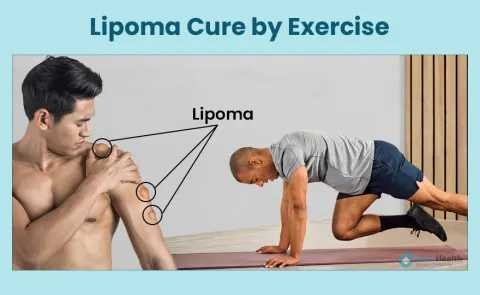
Yes, lipomas typically do not go away with weight loss. While losing weight can make your overall body slimmer, it usually doesn’t reduce the size of lipomas, which are benign fatty tumors.
Losing weight might help improve your general health, but lipomas tend to stay unless they are surgically removed. They are made up of fatty tissue that is distinct from regular body fat, so reducing overall fat doesn’t necessarily affect them. If you have noticeable lipomas that bother you or increase in size, consulting a healthcare professional for proper removal is the most effective option.
Lipomas are soft, painless lumps that develop under the skin and are generally harmless. Whether they grow or stay the same often depends on factors like genetics rather than weight. Many people wonder if shedding pounds can help get rid of these lumps — unfortunately, weight loss alone isn’t a reliable solution. In this article, we’ll explore the relationship between lipomas and weight loss, shedding light on what you can realistically expect and when to consider medical treatment.

Do Lipomas Go Away With Weight Loss
Many people ask if losing weight can help reduce or eliminate lipomas. Lipomas are soft, fatty lumps under the skin, often appearing on the arms, neck, or shoulders. Understanding whether weight loss affects lipomas can help you decide on the best treatment options.
What Are Lipomas?
Lipomas are benign tumors made up of fat cells. They are usually small, soft, and move easily when touched. Most lipomas grow slowly and do not cause pain, but some can become larger or bothersome over time.
Are Lipomas Caused by Excess Body Fat?
Many believe lipomas are linked to being overweight, but they are not directly caused by excess weight. Instead, they arise from an abnormal growth of fat cells in a specific area, which is different from general body fat.
Difference Between Lipomas and Fatty Deposits
| Feature | Lipomas | Body Fat |
|---|---|---|
| Composition | Benign tumors of fat cells | Normal fat tissue stored in the body |
| Growth Pattern | Slow, localized lumps | Distributed throughout the body |
| Appearance | Soft, movable lumps beneath the skin | Diffuse swelling over large areas |
| Relation to Weight | Not caused by weight gain | Related to overall body weight and diet |
Can Weight Loss Reduce Lipomas?
Most experts agree that losing weight does not typically make lipomas go away. Lipomas are separate from body fat and do not shrink or disappear with dieting alone.
Why Weight Loss Usually Doesn’t Affect Lipomas
Lipomas are tumors made of their own type of fat cells, which have grown abnormally. Since they are distinct from normal fat deposits, reducing body fat won’t cause these lumps to shrink or resolve.
Are There Cases Where Lipomas Might Reduce in Size?
Though rare, some small lipomas might slightly decrease in size with significant weight loss. However, this is not common, and any change in size is generally minimal.
Factors That Might Influence Lipoma Size
- Overall health and genetics
- The size and location of the lipoma
- Extent of weight loss achieved
What Are Effective Treatments for Lipomas?
If a lipoma causes discomfort or cosmetic concerns, medical removal is often recommended. Surgical excision is the most common method, providing a complete removal of the lump.
Surgical Removal
The procedure involves making a small cut to remove the lipoma. It is usually quick, safe, and performed under local anesthesia. The lipoma is then sent for analysis to rule out other causes.
Liposuction
This technique uses a thin tube to suction out the fatty tissue. Liposuction may be an option for larger lipomas or those in difficult-to-reach areas. However, it sometimes leaves residual tissue, leading to recurrence.
Non-Surgical Alternatives
Other options like steroid injections are less common and typically used to shrink lipomas temporarily. These methods are not permanent solutions and carry a risk of recurrence.
Can Lifestyle Changes Help Prevent Lipomas?
While lifestyle changes do not eliminate existing lipomas, maintaining a healthy diet and weight can prevent the formation of new ones. Proper nutrition and exercise support overall skin and tissue health.
Healthy Habits to Consider
- Eating a balanced diet with plenty of fruits and vegetables
- Limiting processed foods and high-fat snacks
- Engaging in regular physical activity
- Managing stress and ensuring good sleep
Related Topics to Explore
Genetics and Lipomas
Genetics can play a role in lipoma formation, with some individuals predisposed to develop multiple tumors. Family history is an important factor to consider when evaluating lipomas.
When to See a Doctor
If a lipoma quickly enlarges, becomes painful, or changes in texture or appearance, it’s essential to consult a healthcare professional. Malignant tumors such as liposarcomas can mimic lipomas and require different treatment.
Understanding Lipoma Recurrence
Even after removal, lipomas can sometimes come back, especially if not entirely excised. Proper surgical techniques minimize the chance of recurrence.
Summary
In summary, losing weight generally does not cause lipomas to go away. These lumps are growths of fat cells that are different from regular fat deposits. Treatment options focus on surgical removal or other medical procedures, especially if lipomas cause discomfort or cosmetic issues.
Maintaining a healthy lifestyle can help prevent new lipomas from forming, but existing ones often need medical attention for removal. If you notice changes or are concerned about lipomas, consult with a healthcare professional for personalized advice and treatment options.
7 Tips to Get Rid of Lipomas #shorts #lipomas #leptinresistance
Frequently Asked Questions
Can losing weight cause lipomas to shrink or disappear completely?
Weight loss may reduce the overall fat in your body, but it typically does not eliminate lipomas. Lipomas are benign tumors of fat tissue that are usually encapsulated and do not respond to changes in body fat levels. While reducing weight can improve your overall health and appearance, it is unlikely to make lipomas vanish entirely.
Are lipomas affected by diet and exercise routines aimed at fat reduction?
Diet and exercise are effective for reducing overall body fat, but they do not directly impact lipomas. Lipomas are localized growths of fat cells that do not dissolve with fat loss. Therefore, adopting healthy lifestyle habits may benefit your health but won’t specifically target or remove lipomas.
What options are available if I want to get rid of lipomas that don’t go away with weight loss?
If lipomas persist despite weight management, medical removal options exist. Your doctor can perform a simple surgical excision or liposuction to remove the growths. These procedures are safe and typically result in complete removal, especially if the lipomas are bothersome or cosmetically concerning.
Does the size of a lipoma influence whether it responds to weight loss?
Generally, the size of a lipoma does not determine its response to weight loss. Lipomas are discrete masses separate from surrounding fat tissue, so losing weight does not shrink or alter their size. Larger lipomas may require surgical removal for removal or symptomatic relief.
Is it possible for new lipomas to develop as I lose weight?
Yes, new lipomas can develop independently of weight loss. Lipomas tend to develop due to genetic factors or other unknown causes, and losing weight does not prevent their formation. If you notice new growths, consult a healthcare professional for assessment and appropriate treatment options.
Final Thoughts
Les lipomes sont des bosses graisseuses sous la peau qui peuvent inquiéter. Beaucoup se demandent si la perte de poids peut faire disparaître ces masses.
Généralement, les lipomes ne disparaissent pas avec la perte de poids, car ils sont des accumulations de tissu adipeux encapsulées.
Même si vous perdez du poids, il est peu probable que les lipomes disparaissent complètement.
En résumé, do lipomas go away with weight loss? La réponse est non, ces masses ne disparaissent souvent pas avec une simple réduction de poids.
As an Amazon Associate, We earn from qualifying purchases. When you purchase a product through Amazon links on pulsefitguide.com, we may earn a small commission at no extra cost to you. This helps support the site and keep our content free.