

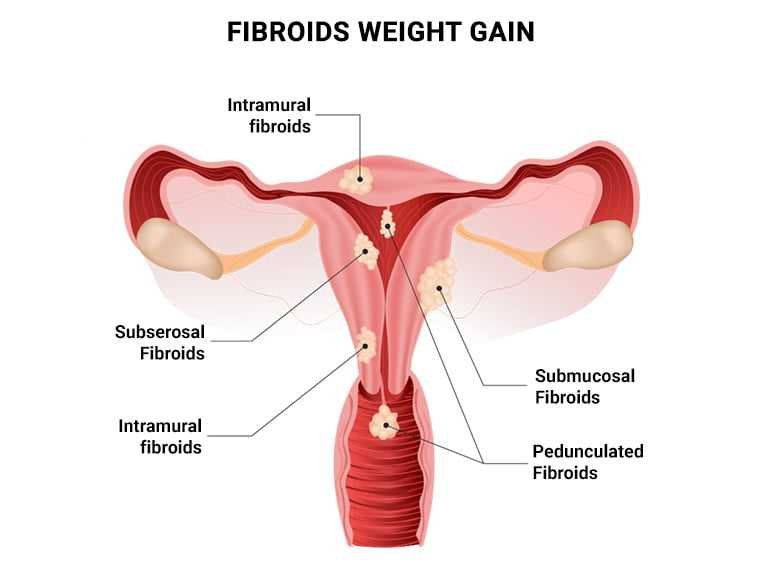
Yes, fibroids can impact weight loss, but the effects vary from person to person. They might cause bloating, pressure, or discomfort that makes losing weight more challenging, but they don’t directly block fat loss. Addressing fibroids through medical treatment can improve symptoms and support your weight management goals.
Fibroids are noncancerous growths in the uterus that can influence your overall health and well-being. Many women worry about how these growths might affect their weight loss efforts. While fibroids themselves don’t directly cause weight gain or prevent weight loss, their symptoms—like bloating, pressure, or pain—can make it harder to stick to a healthy diet and exercise routine. Understanding the connection between fibroids and weight loss can help you manage both effectively and find the right treatment to feel better and reach your goals faster.

Do Fibroids Affect Weight Loss?
What Are Uterine Fibroids?
Uterine fibroids are non-cancerous growths that develop inside the uterus. They are common among women of reproductive age. Fibroids can vary in size from very small to larger than a grapefruit.
How Do Fibroids Form?
The exact cause of fibroids is unknown, but factors like hormones, genetics, and lifestyle may influence their growth. Estrogen and progesterone are hormones that promote fibroid development.
The Link Between Fibroids and Weight Gain
Many women notice weight gain or bloating when they have fibroids. Large fibroids can press against the abdomen, causing a feeling of fullness or swelling. This can often be mistaken for actual weight gain.
Do Fibroids Directly Affect Weight Loss?
While fibroids themselves do not directly prevent weight loss, their physical presence can complicate efforts. Large fibroids may make the abdomen look larger or feel uncomfortable during exercise.
The Impact of Fibroids on the Body’s Functions
Fibroids can sometimes disturb blood flow or cause heavy bleeding. Heavy bleeding can lead to anemia, which might reduce energy levels. Lower energy can decrease physical activity and slow down weight loss.
Symptoms That Can Hinder Weight Loss
Women with fibroids might experience symptoms like heavy bleeding, pelvic pain, or pressure. These symptoms can make exercise uncomfortable and less appealing, affecting weight loss progress.
Heavy Bleeding and Its Effects
Heavy bleeding from fibroids can cause fatigue and weakness. When women feel tired, they are less likely to stay active or maintain a healthy diet, which are key to losing weight.
Pain and Discomfort
Pelvic pain or pressure may discourage physical activity. Avoiding activity can lead to fewer calories burned and slower weight loss.
How Fibroids Can Cause Bloating
Fibroids can enlarge the uterus and cause abdominal distension. This bloating can mimic weight gain and sometimes cause women to feel heavier, even if their actual weight hasn’t increased.
Weight Management Strategies for Women with Fibroids
Women with fibroids should focus on maintaining a balanced diet and regular exercise. Gentle activities like walking or swimming are often better tolerated.
Diet Tips for Managing Symptoms
Eating a diet rich in fruits, vegetables, lean proteins, and whole grains helps reduce inflammation. Limiting processed foods, sugar, and saturated fats can also lessen fibroid symptoms.
Exercise Recommendations
Low-impact activities are generally safe and effective. Always consult a doctor if experiencing pain or discomfort during exercise.
Medical Treatments and Their Role in Weight Loss
Treating fibroids can improve symptoms and reduce their size, making weight management easier. Options include medication, uterine artery embolization, or surgery.
Medications
Hormonal therapies may shrink fibroids and alleviate symptoms. They can help women feel better and stay active, supporting weight loss efforts.
Surgical Options
Myomectomy (fibroid removal) or hysterectomy (uterus removal) can eliminate fibroids. Post-treatment, many women experience reduced symptoms and find it easier to lose weight.
When to Seek Medical Advice
If fibroids cause severe symptoms or interfere with daily life, consulting a healthcare professional is crucial. Proper management can help improve overall health and weight loss potential.
Summary of Key Points
- Fibroids can cause bloating and pressure, which might be mistaken for weight gain.
- Symptoms like heavy bleeding and pain can reduce activity levels, impacting weight loss.
- Managing fibroid size and symptoms can facilitate healthier lifestyle choices.
- Medical treatments can help reduce fibroid symptoms, making weight loss easier.
Additional Factors Influencing Weight Loss with Fibroids
Other factors like hormonal imbalances, thyroid issues, and diet also play roles in weight management. Addressing these can improve results for women with fibroids.
Fibroids can influence weight loss indirectly through symptoms that affect activity levels and overall health. Managing fibroids through medical treatment and lifestyle changes can support weight loss efforts. Always consult a healthcare provider to develop a personalized plan that addresses both fibroid symptoms and weight goals.
Can You Lose Weight With Uterine Fibroids?
Frequently Asked Questions
Can large fibroids cause changes in body weight?
Yes, large fibroids can lead to changes in body weight. When fibroids grow significantly, they may cause abdominal bloating and swelling, which can make you feel heavier or cause an apparent increase in weight. Additionally, their presence can interfere with normal digestion and appetite, indirectly affecting weight fluctuations.
Is it possible for fibroids to contribute to fluid retention and weight gain?
Fibroids can sometimes lead to hormonal imbalances that promote water retention. This fluid buildup can cause swelling in the lower abdomen and legs, resulting in temporary weight gain. Managing fibroids effectively can help reduce such symptoms and prevent unnecessary weight changes.
Do fibroids impact metabolism or calorie burning during weight loss efforts?
Generally, fibroids do not directly affect how your body burns calories or affects your metabolism. However, if fibroids cause discomfort, fatigue, or other health issues, they might limit your physical activity, which can make weight loss more challenging. Addressing fibroids can improve overall activity levels and support your weight management goals.
Can treatment for fibroids help in achieving weight loss goals?
Yes, treating fibroids can alleviate symptoms like bloating, pain, and swelling, which may be hindering your ability to lose weight. By reducing fibroid size or removing them, patients often experience decreased abdominal distension, making their weight loss efforts more effective and comfortable.
Are there specific symptoms caused by fibroids that might be mistaken for weight gain?
Fibroids can cause symptoms such as abdominal swelling, pressure, and a feeling of fullness, which may be mistaken for weight gain. Recognizing these symptoms can help differentiate between actual weight increase and fibroid-related bloating, ensuring appropriate treatment and management.
Final Thoughts
Fibroids can influence weight loss, but their impact varies. Large or multiple fibroids may cause bloating and discomfort, making weight management more challenging.
Hormonal changes linked to fibroids can also affect metabolism, potentially slowing weight loss efforts.
However, treating fibroids often alleviates symptoms and may help improve weight loss progress.
In conclusion, do fibroids affect weight loss? Yes, they can, but addressing fibroids and related symptoms offers the best chance for successful weight management.
As an Amazon Associate, We earn from qualifying purchases. When you purchase a product through Amazon links on pulsefitguide.com, we may earn a small commission at no extra cost to you. This helps support the site and keep our content free.