

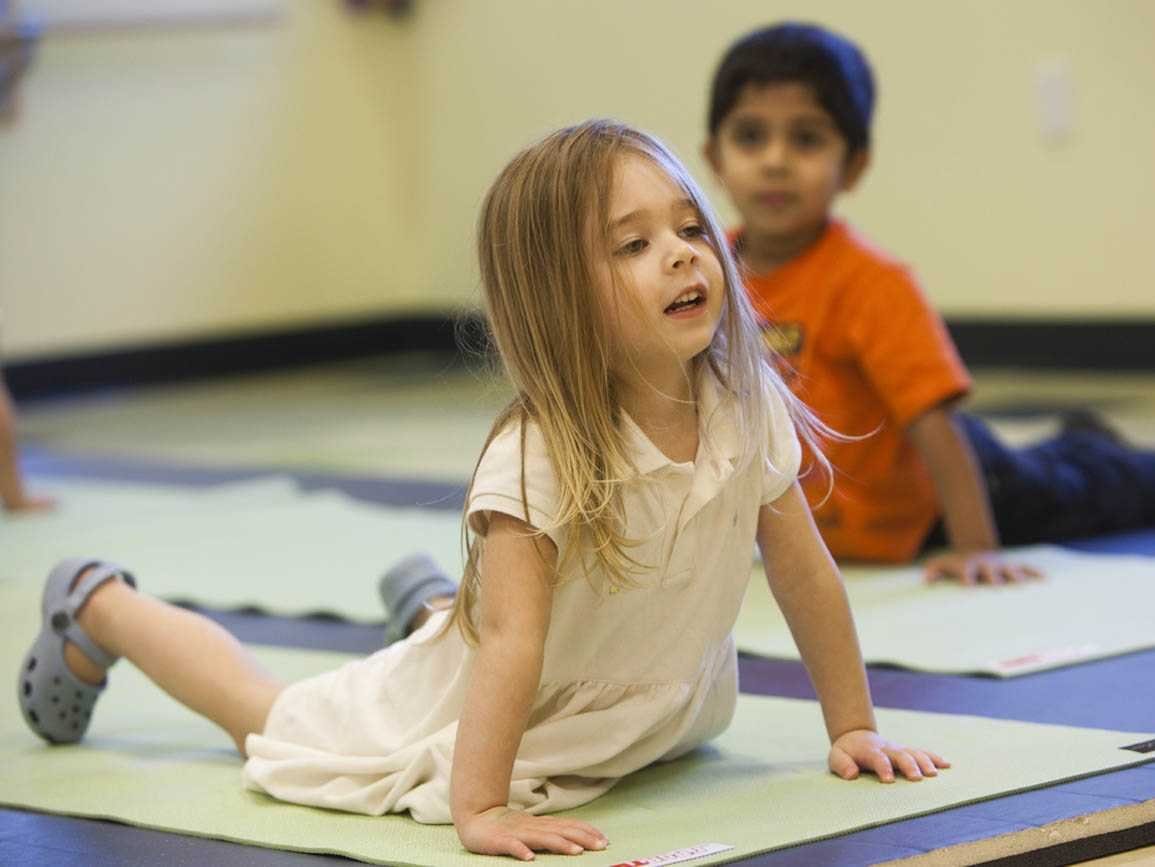
Yes, family workouts can significantly help kids stay healthy by making physical activity fun and engaging for everyone. When families exercise together, children are more likely to develop good habits and enjoy staying active, which benefits their overall health and well-being. These shared activities also foster stronger bonds and teach kids the importance of leading an active lifestyle. Incorporating regular family workouts into your routine can boost children’s physical fitness, improve their mood, and set a positive example for lifelong habits.
Engaging in family workouts is a fantastic way to keep kids healthy because it combines exercise with family bonding, making fitness more appealing and less of a chore. It encourages children to move more, learn new skills, and develop healthy habits early on. In this article, we’ll explore how family workouts contribute to children’s health and provide practical tips for making exercise enjoyable for the whole family.

Do family workouts help kids stay healthy?
Understanding the Benefits of Family Workouts for Kids
Family workouts are more than just an activity; they are a powerful way to promote **healthy habits** among children. When families exercise together, kids often become more motivated and engaged, making physical activity a fun and routine part of their lives. These activities can boost **cardiovascular health**, improve **muscle strength**, and support **mental well-being**.
Research shows that children who participate in regular family exercise tend to develop better **lifestyle habits**. It helps them understand the importance of staying active and makes exercise feel less like a chore. This positive attitude can last into adulthood, helping maintain a **healthy weight** and preventing chronic illnesses like **diabetes** and **heart disease**.
How Family Workouts Encourage Active Lifestyles
Family workouts create an environment where children see exercise as a **normal part of daily life**. Parents acting as role models inspire kids to follow suit, fostering a **culture of activity** within the home. When everyone in the family participates, it removes **barriers** such as lack of motivation or feeling self-conscious.
Engaging in activities together also teaches kids **social skills** and the value of **teamwork**. These shared experiences can strengthen family bonds while promoting **physical health**. By making workouts fun and inclusive, families can develop **lifelong habits** that help children stay **active and healthy**.
The Role of Family Workouts in Preventing Childhood Obesity
Childhood obesity is a major concern worldwide, and family workouts can serve as an effective way to combat it. Regular physical activity helps **burn calories**, builds **muscle mass**, and boosts **metabolism**. It also supports the development of **healthy eating habits**, especially when combined with balanced diets.
Families that prioritize **active routines** tend to have children with **better weight management**. Involving children in activities like biking, hiking, or playing sports can make exercise enjoyable rather than a chore. This positive experience encourages children to stay **physically active** outside of scheduled workouts, helping prevent **weight gain** over time.
Impact of Family Workouts on Mental and Emotional Health
Physical activity is well known for improving **mental health** in children. Family workouts can alleviate stress, reduce feelings of **anxiety**, and boost **self-esteem**. When families exercise together, children feel supported and less isolated, fostering a sense of **belonging** and **confidence**.
Moreover, engaging in physical activity releases **endorphins**, which are natural mood lifters. These workouts can also improve **sleep quality**—another essential aspect of overall health. Regular family exercise sessions create a positive routine that helps children develop resilience and emotional balance.
Types of Family Workouts Suitable for Kids
Not all exercises are suitable for children, so it’s important to select age-appropriate activities. Here are some popular options:
- Walking or Hiking: Easy and accessible for all ages, it’s a fantastic way to enjoy nature and get moving.
- Bike Rides: Encourage children to ride bikes both around the neighborhood and on trails.
- Dance Parties: Turn on some music and have a dance-off in the living room.
- Playing Sports: Soccer, basketball, or frisbee can be fun while promoting teamwork and fitness.
- Bodyweight Exercises: Simple moves like jumping jacks, push-ups, and sit-ups can be adapted for kids.
- Obstacle Courses: Set up challenging yet safe courses in the backyard for energetic play.
Mixing different types of activities keeps workouts engaging and caters to various interests. The key is to keep sessions **short, fun, and dynamic**, so kids look forward to exercising with their families.
Tips for Making Family Workouts Enjoyable and Effective
Creating a positive environment during workouts encourages ongoing participation. Here are some tips:
- Set common goals to motivate everyone, such as running a certain distance or trying new activities.
- Keep sessions around 30 minutes to prevent fatigue and maintain energy levels.
- Use music, games, and friendly competitions to make activities fun.
- Offer praise and encouragement to boost confidence and foster a sense of achievement.
- Vary the activities to prevent boredom and address different fitness needs.
- Practice patience and celebrate small victories to build lifelong habits.
Incorporating family workouts into your routine requires consistency and a cheerful attitude. When exercise is presented as a positive family event, children are more likely to develop **healthy lifelong habits**.
The Psychological Benefits of Family Exercise
Beyond physical health, family workouts can improve **mental resilience** in children. Regular physical activity reduces the risk of **depression** and **behavioral issues** by releasing **happy hormones**. It also enhances **concentration** and **academic performance**.
Participating in workouts together teaches children **discipline**, **perseverance**, and **goal-setting**. These skills are useful beyond physical health, encouraging a **growth mindset**. Family exercise sessions also create shared memories that strengthen emotional bonds and promote **positive family dynamics**.
Addressing Common Challenges in Family Workouts
Some families may face obstacles like **lack of time**, **motivation**, or **varying fitness levels**. Solutions include:
- Scheduling workouts at convenient times, such as after dinner or on weekends.
- Making activities adaptable for different ages and abilities.
- Setting realistic goals to avoid frustration.
- Encouraging participation rather than competition to keep the atmosphere supportive.
- Seeking inspiration from online videos or local community programs.
Patience and flexibility are crucial. Overcoming these hurdles guarantees that family workouts become a regular and enjoyable part of life.
Long-Term Benefits of Regular Family Exercise
Consistent family workouts instill **lifelong healthy habits** in children. They foster a **positive attitude toward physical activity**, leading to a healthier lifestyle. Kids learn to prioritize **health**, **well-being**, and **family bonding** as part of their daily routine.
Moreover, these habits contribute to **lower health risks** in adulthood, including improving **heart health** and preventing **chronic diseases**. The emotional connection built during shared workouts also promotes **better communication** and **family cohesion**.
Related Topics to Explore
While exploring how family workouts benefit kids, consider looking into related areas such as:
- Nutrition and its role in supporting active lifestyles
- Setting realistic health goals for children and families
- Outdoor activities versus indoor exercises for kids
- The importance of sleep alongside physical activity
- Involving children in planning family fitness routines
Each of these topics complements the idea that a holistic approach to health encompasses both physical activity and other lifestyle factors.
The impact of family workouts on children’s health is profound. By engaging in regular, enjoyable exercise together, families can build habits that promote **physical health**, **mental well-being**, and **stronger relationships**. Through patience, creativity, and consistency, parents can help children develop habits that last a lifetime.
Time for Kids Recipe for Health: Keep family healthy, fit by staying active
Frequently Asked Questions
How can family workouts encourage kids to develop healthier habits?
Family workouts provide children with positive role models who prioritize physical activity, making it more likely they will adopt similar habits. Participating in exercises together establishes a routine that emphasizes the importance of staying active, which can influence kids to make healthier lifestyle choices in the long run.
In what ways do family exercises improve children’s physical development?
Engaging in family workouts helps children strengthen their muscles and bones, improve coordination, and enhance cardiovascular health. Regular activity also supports weight management and contributes to the development of motor skills, laying a foundation for overall physical well-being.
What impact do family fitness routines have on children’s mental health?
Family workouts boost children’s mood and reduce stress by releasing endorphins during exercise. Exercising together fosters a sense of belonging and support, which can improve self-esteem and reduce feelings of anxiety or depression in children.
Can participating in family activities motivate kids to stay consistent with exercise?
Yes, exercising as a family creates a fun and engaging environment that motivates children to stick with their routines. When kids see their loved ones participate and enjoy physical activity, they are more likely to stay committed and make exercise a regular part of their lives.
How do family workouts help instill a sense of teamwork and cooperation in children?
Family exercises encourage children to work together toward common goals, such as completing a game or achieving a fitness challenge. This teamwork fosters cooperation, communication, and shared success, building important social skills alongside physical health.
Final Thoughts
Family workouts encourage children to stay active and develop healthy habits. Exercising together boosts motivation and makes fitness fun for everyone. It also strengthens family bonds and teaches kids the importance of teamwork.
In summary, do family workouts help kids stay healthy? Yes, they promote physical activity, improve mental well-being, and create positive routines. Engaging in regular exercise as a family benefits children’s overall health and happiness.
As an Amazon Associate, We earn from qualifying purchases. When you purchase a product through Amazon links on pulsefitguide.com, we may earn a small commission at no extra cost to you. This helps support the site and keep our content free.