
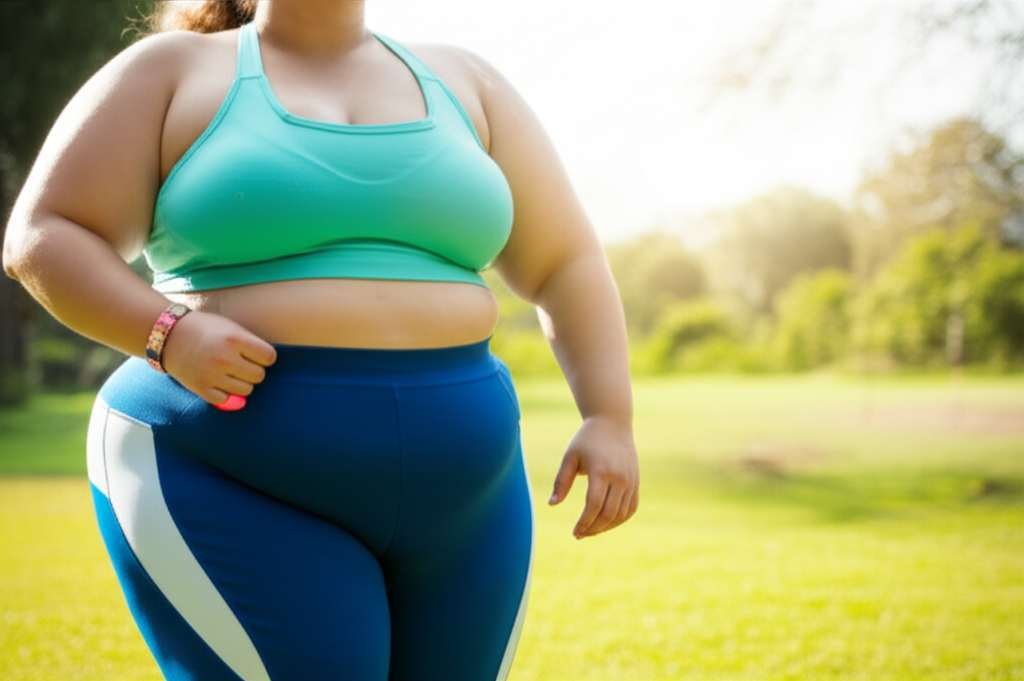
Yes, Ambetter may cover weight loss surgery if it’s medically necessary! It’s a big step, but with the right plan, you can unlock amazing health benefits. Let’s find out how!
Hey there, fitness fam! Feeling a bit stuck or tired lately? Maybe you’re looking for a way to kickstart your health journey but feel a little lost. It’s totally normal to feel that way! So many of us want to feel stronger and healthier, but figuring out where to begin can be a puzzle. Don’t worry, I’ve got your back! We’re going to break down how to get moving and feeling amazing, step-by-step. Ready to feel more energized and confident? Let’s do this!
What’s the Big Deal with Weight Loss Surgery?
So, you’re curious about weight loss surgery and if your Ambetter plan might help. That’s a super smart question! Weight loss surgery, also called bariatric surgery, is a big decision. It’s not just about losing weight; it’s about improving your overall health. For some people, it can be a life-changing tool.
Does Ambetter Actually Cover It?
Here’s the scoop: Ambetter can cover weight loss surgery. But, and this is a big “but,” it usually depends on a few things. It’s typically covered when it’s considered medically necessary for you. This means a doctor has to say it’s the right option for treating serious health problems related to your weight. Think of it like needing a specific tool for a job – the surgery is the tool, and your health issues are the job.

What Makes it “Medically Necessary”?
This is where your doctor really shines! To get Ambetter to consider covering surgery, you usually need to show that you have tried other weight loss methods first and they haven’t worked. You also need to have certain health conditions that are directly linked to your weight. These can include things like:
Type 2 diabetes
High blood pressure
Sleep apnea
Heart disease
Your doctor will do a full check-up and talk about your health history. They’ll see if surgery is the best path for you and your specific situation. It’s all about making sure it’s the safest and most effective choice for your health.
Amazing Benefits of Weight Loss Surgery
If surgery is the right step for you, the benefits can be incredible! It’s not just about the number on the scale. It’s about feeling better in your body and living a fuller life.
Health Boosts You Might See
When you lose weight, your body thanks you in so many ways. Many health issues can get much better, or even go away!
Diabetes Improvement: Many people see their blood sugar levels drop, and some can even stop taking diabetes medication.
Blood Pressure Control: High blood pressure often improves, which is great for your heart.
Better Sleep: If you have sleep apnea, losing weight can make a huge difference. You might sleep more soundly.
Heart Health: Your risk of heart attack and stroke can go down.
Joint Pain Relief: Less weight on your joints means less pain when you move.
More Energy: Feeling lighter means you can do more without getting so tired.
Feeling Great in Your Own Skin
Beyond the physical stuff, how you feel emotionally can change too.
Increased Confidence: As you see results, your self-esteem can really grow.
Improved Mood: Losing weight and feeling healthier can often lead to feeling happier and less stressed.
More Active Lifestyle: When you feel better, you’re more likely to want to move around and be active.
Getting Ready for Surgery: Your Action Plan
If Ambetter coverage and surgery seem like a good fit for you, there’s a process. Think of it as getting ready for a big game – you need a good warm-up!
Step 1: Talk to Your Doctor (Your Health MVP!)
This is the most important first step. Schedule an appointment with your primary care doctor. Tell them you’re interested in weight loss surgery and want to explore your options. They’ll be your guide through this whole journey.
Step 2: Understand Your Ambetter Plan
You’ll need to know the specifics of your Ambetter insurance. Call the number on your insurance card and ask about their bariatric surgery coverage. Ask them:
What are the requirements for coverage?
Are there specific surgeons or hospitals I need to use?
What is my deductible and co-pay for this type of surgery?
Do I need a referral from my primary doctor?
Step 3: Complete the Pre-Surgery Steps
Ambetter, and the surgeons, will have a list of things you need to do before surgery. This might include:
Medical Evaluations: Blood tests, heart checks, and other health screenings.
Nutrition Counseling: Meeting with a registered dietitian to learn about eating habits.
Psychological Evaluation: Talking to a mental health professional to make sure you’re ready.
Lifestyle Changes: You might need to show you’re committed to healthy eating and exercise.
Step 4: The Surgery and Beyond
Once everything is approved, you’ll have your surgery. But the journey doesn’t stop there! Recovery and long-term success are key. You’ll need to stick to a healthy diet and exercise plan. Your doctor and dietitian will help you with this.
Simple Ways to Boost Your Health NOW
Even if surgery isn’t in the cards right now, or you’re waiting for approvals, you can still make HUGE progress! These are simple steps you can start today.
Move Your Body, Feel Amazing!
Getting active doesn’t mean you need to run a marathon tomorrow. Small movements add up!
Walk It Out: Start with a 15-minute walk each day. Explore your neighborhood!
Dance Party: Put on your favorite music and just dance around your living room for 10 minutes.
Stretch It Out: Simple stretches in the morning can wake up your body.
Bodyweight Basics: Try a few squats, push-ups (on your knees is fine!), or lunges.
Here’s a quick look at different types of movement that help burn fat:
| Workout Type | What It Is | Why It Works | Example Moves |
|---|---|---|---|
| Cardio (Aerobic) | Activities that get your heart pumping, like brisk walking or cycling. | Burns calories during the workout and improves heart health. | Brisk walking, jogging, swimming, dancing, cycling. |
| Strength Training | Using weights or your body weight to build muscle. | Muscle burns more calories than fat, even when you’re resting! | Squats, lunges, push-ups, bicep curls, planks. |
| HIIT (High-Intensity Interval Training) | Short bursts of intense exercise followed by brief rest. | Super effective for burning calories in a short time and boosting metabolism. | Jumping jacks, burpees, high knees, mountain climbers (done intensely for 30 seconds, rest for 30 seconds). |
Fuel Your Body Right
Eating well is like giving your body the best fuel. You don’t need complicated diets!
Add More Veggies: Try to add a vegetable to at least two meals a day.
Choose Water: Swap sugary drinks for water. It’s amazing for you!
Lean Proteins: Include chicken, fish, beans, or lentils in your meals.
Whole Grains: Opt for brown rice or whole wheat bread instead of white.
Here are some super simple meal ideas:
Breakfast: Oatmeal with berries, or scrambled eggs with spinach.
Lunch: A big salad with grilled chicken or chickpeas, or lentil soup with whole-wheat bread.
Dinner: Baked salmon with roasted broccoli, or chicken stir-fry with lots of colorful veggies.
Snacks: Apple slices with peanut butter, a handful of almonds, or Greek yogurt.
Common Mistakes to Avoid on Your Journey
We all make little slip-ups, and that’s okay! But knowing what to watch out for can help you get back on track faster.
Expecting Overnight Results: Fitness is a marathon, not a sprint. Be patient with yourself!
Skipping Meals: This can actually slow down your metabolism. Eat regular, balanced meals.
Comparing Yourself to Others: Everyone’s body and journey are different. Focus on your own progress!
Not Drinking Enough Water: Hydration is super important for energy and metabolism.
Giving Up After One Bad Day: We all have off days. Just get back to your plan the next day.
Frequently Asked Questions (FAQs)
Got more questions? No sweat! Here are some common ones beginners ask.
How long does it take to see fat loss results?
It can vary for everyone! With consistent healthy eating and exercise, you might start noticing changes in a few weeks. But remember, it’s about steady progress, not magic.
What’s the best time to work out?
The best time is whenever you can actually do it! Some people love morning workouts to start their day strong, while others prefer evenings to de-stress. Find what fits your schedule.
Do I need a gym to lose weight?
Nope! You can get a great workout at home. Bodyweight exercises, walks, and online workout videos are all fantastic options.
How can I stay motivated every day?
Find an accountability buddy, set small, achievable goals, celebrate your wins (big or small!), and remind yourself why you started. Mix up your workouts to keep things fun!
What should I eat before or after exercise?
Before, a small, easily digestible snack like a banana or a few crackers can give you energy. After, focus on protein and carbs to help your muscles recover – think chicken breast with sweet potato or Greek yogurt with fruit.
How much water should I drink daily?
A good goal is around 8 cups (64 ounces) a day, but this can change based on your activity level and the weather. Listen to your body; thirst is your cue!
How many rest days should I take?
Rest days are super important for muscle repair and preventing burnout. Aim for 1-2 rest days per week, especially when starting out. Your body needs time to recover!
Your Fitness Journey Starts Now!
So, while Ambetter might cover weight loss surgery if it’s medically needed, remember that your health journey is a mosaic of many parts. Whether surgery is part of your plan or not, making healthier choices every single day is what truly builds a stronger, happier you.
Focus on those small, consistent steps. Add a few more veggies to your plate, take a brisk walk, and be kind to yourself. Progress isn’t about perfection; it’s about showing up for yourself, day after day. You have the power to make amazing changes.
You’ve got this – one step, one healthy choice, one amazing day at a time!
As an Amazon Associate, We earn from qualifying purchases. When you purchase a product through Amazon links on pulsefitguide.com, we may earn a small commission at no extra cost to you. This helps support the site and keep our content free.