

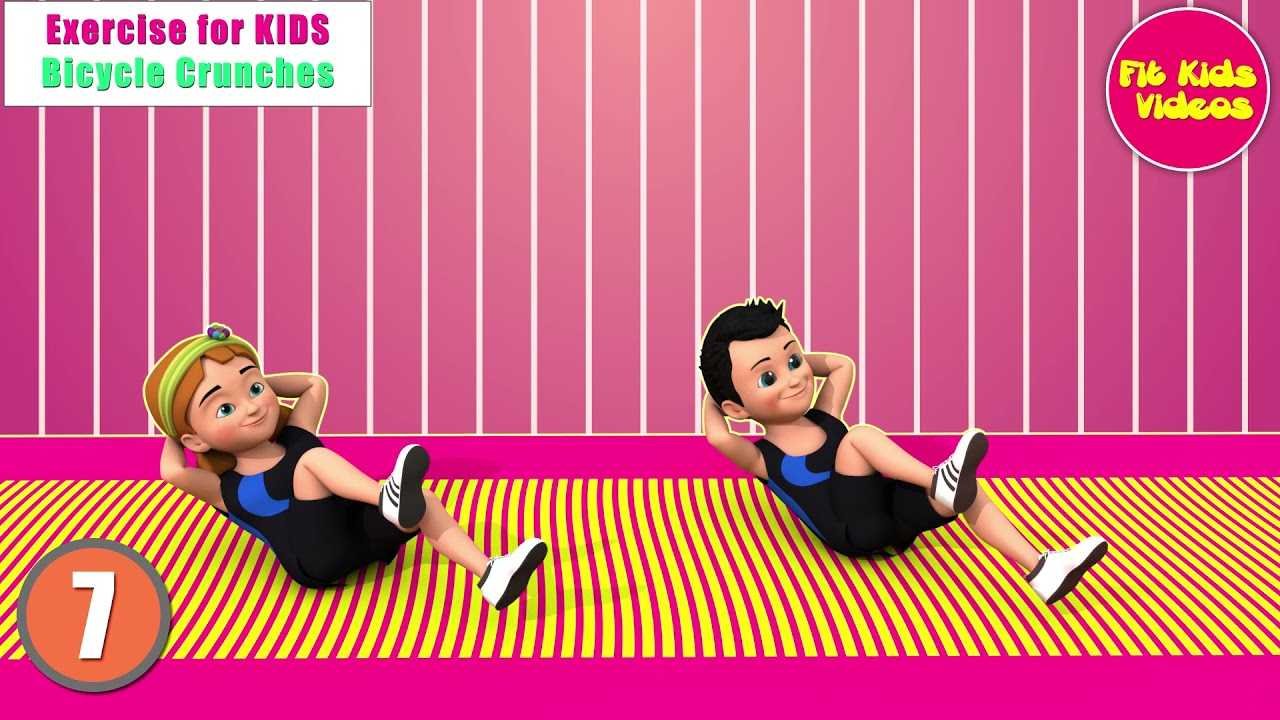
To keep kids active and healthy, crunches can be a fun and effective exercise! Just a few minutes of crunches a day can help strengthen their core muscles, improve posture, and boost confidence. For children, it’s important to adapt the exercise to be safe and enjoyable, making sure they don’t overexert or strain themselves. Incorporating crunches into a playful routine encourages kids to develop healthy habits early on, which can last a lifetime.
**Summary:** Crunches for kids are simple core exercises that can be safely incorporated into their daily routine. They help build abdominal strength and promote overall fitness when done with proper form and moderation.
Starting an exercise routine for kids might seem challenging, but making it engaging and age-appropriate can make all the difference. Crunches are a fantastic choice because they target the core muscles and can be easily adapted for kids of various ages. When performing crunches, kids should lie on their backs with knees bent and hands behind their heads or crossed over their chest. They should lift their upper body using their abdominal muscles, keeping movements controlled and gentle. It’s essential to emphasize fun, proper technique, and short sessions to keep children motivated and injury-free. Regularly including such exercises can help children develop strength, coordination, and a positive attitude towards staying active.

Crunches Exercise for Kids: A Fun and Effective Way to Strengthen Your Child’s Core
What Are Crunches and Why Are They Important for Kids?
Crunches are simple exercises that target the abdominal muscles, helping to strengthen the core. For children, a strong core improves posture, balance, and overall physical health. Including crunches in a child’s daily activity can also boost their confidence and promote active living.
Benefits of Doing Crunches for Kids
- Enhances Posture: Good posture reduces back pain and improves how children carry themselves.
- Supports Physical Development: Strong core muscles aid in sports, dancing, and daily movements.
- Boosts Balance and Stability: Better balance helps prevent falls and injuries.
- Encourages Healthy Habits: Incorporating exercise early makes kids more active and health-conscious.
How to Teach Kids to Do Crunches Correctly
Proper form is essential to prevent injuries and maximize benefits. Here’s a simple guide:
- Lie flat on your back with knees bent and feet flat on the ground.
- Place hands lightly behind your head or crossed over your chest.
- Engage your core muscles and lift your upper body toward your knees.
- Pause at the top for a moment, then slowly lower back down.
- Repeat for 10 to 15 repetitions, ensuring controlled movements.
Tips for Making Crunches Fun for Kids
- Use colorful mats or mats with fun patterns to make exercise inviting.
- Set achievable goals and celebrate small successes.
- Incorporate music or musical beats to make the exercise more rhythmic and engaging.
- Turn it into a game, like “crunch race” or “core challenge.”
Safety Tips for Kids Doing Crunches
Ensuring safety helps prevent strain or injury. Remember:
- Always warm up with light activity before starting crunches.
- Encourage children to listen to their bodies and stop if they feel discomfort.
- Avoid pulling on the neck; focus on abdominal muscles doing the work.
- Supervise to correct form and prevent improper technique.
Age-Appropriate Crunches for Kids
Different age groups may require variations in the exercise:
For Younger Children (Ages 4-8)
- Use playful movements like “belly buffs” or “mini crunches.”
- Limit repetitions to avoid fatigue.
- Focus on fun and encouraging participation.
For Older Children (Ages 9-12)
- Introduce standard crunches with proper form.
- Increase repetitions gradually.
- Include variations like side crunches to work different abdominal muscles.
Incorporating Crunches into a Kid’s Routine
Consistency is key to seeing benefits. Here are ways to include crunches in daily activities:
- Set aside a few minutes in the morning or after school for core exercises.
- Combine crunches with other fun activities like jumping jacks or stretches.
- Use a reward system to motivate regular participation.
Variations of Crunches to Keep It Interesting
Adding variety can prevent boredom and target muscles differently:
- Oblique Crunches: Twist your upper body side to side to work the obliques.
- Bicycle Crunches: Mimic pedaling motions for full core engagement.
- Reverse Crunches: Lift hips off the ground while knees are bent for lower abdominal focus.
- Seated Crunches: Sit upright and lean forward, engaging core without lying down.
Monitoring Progress and Ensuring Proper Development
Keep track of how many crunches your child can do over time. Celebrate improvements to motivate them further. Regularly review form to prevent sloppy technique and ensure safety. Remember, the goal is to make exercise enjoyable and beneficial, not stressful.
Additional Core Exercises for Kids
Complement crunches with other activities for a well-rounded core workout:
- Planks: Hold a push-up position to build core strength.
- Superman Hold: Lie on stomach and lift arms and legs off the ground.
- Bird-Dog: On hands and knees, extend opposite arm and leg for stability.
Integrating crunches into a child’s exercise routine can be both fun and beneficial. Proper technique, safety, and variety are crucial for encouraging healthy habits and preventing injuries. Remember to keep sessions short, engaging, and positive to nurture a lifelong love of physical activity.
SUPER FUN ABS EXERCISES FOR KIDS
Frequently Asked Questions
What are some safety tips to consider when kids do crunches?
When children perform crunches, ensure they do the exercise on a comfortable, flat surface like a mat or carpeted floor. Encourage them to keep their neck relaxed and avoid pulling on their head or neck. It’s also essential to have them avoid overdoing it—starting with a few repetitions and gradually increasing as they build strength. Supervising their form helps prevent strain or injury and promotes safe exercise habits.
How can parents motivate kids to perform crunches regularly?
Parents can motivate children by making the exercise fun. Incorporate games or challenges, such as seeing who can do the most crunches in a minute or creating a friendly competition. Offering praise and small rewards for consistency encourages kids to stay engaged. Additionally, demonstrating the exercise yourself or exercising together fosters participation and makes the activity more enjoyable for children.
At what age can kids start doing crunches, and how should they be introduced?
Children as young as five can start doing basic core exercises like crunches, provided they have developed sufficient neck and back strength. Introduce crunches gradually, starting with simple movements and ensuring proper technique. Use visual demonstrations or guided instructions to help children understand the correct form. Always emphasize the importance of listening to their bodies and stopping if they feel discomfort.
Are there alternative exercises for kids who find crunches difficult or uncomfortable?
Yes, children who find crunches challenging can try other fun activities that strengthen their core. Planks, body twists, or gentle leg lifts are good alternatives. Activities like crawling or playing on the playground also promote core strength naturally. These options help keep kids active while avoiding discomfort, and they can be tailored to each child’s comfort level and ability.
Final Thoughts
In conclusion, incorporating crunches exercise for kids promotes core strength and improves overall coordination. These simple activities encourage kids to stay active and build healthy habits early.
Consistent practice helps children develop better posture and confidence. Remember to keep the exercises fun and age-appropriate. Crunches exercise for kids is an effective way to support their physical development safely.
As an Amazon Associate, We earn from qualifying purchases. When you purchase a product through Amazon links on pulsefitguide.com, we may earn a small commission at no extra cost to you. This helps support the site and keep our content free.