

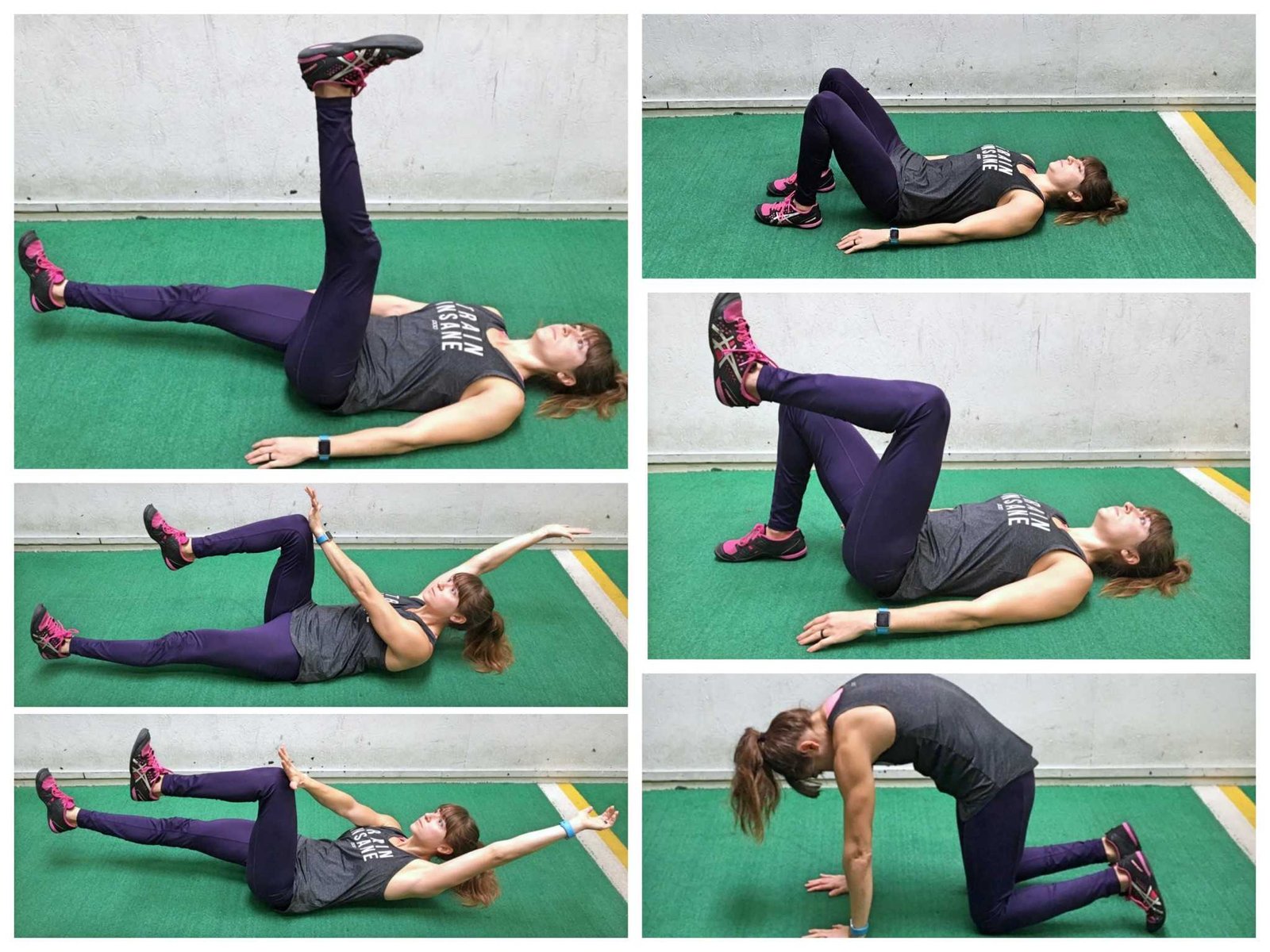
Looking to build a stronger core that not only gives you washboard abs but also supports your lower back? The key lies in targeted exercises that engage both your abdominal muscles and lower back muscles simultaneously. A well-rounded core workout can improve posture, reduce injury risk, and boost overall strength. The most effective routines combine planks, bridges, and rotational movements that activate deep core muscles, helping you achieve a balanced, powerful midsection. By incorporating these exercises into your fitness routine, you’ll notice better stability and comfort during daily activities and workouts alike.
A strong core requires consistent effort with exercises focusing on both abs and lower back. Simple yet effective moves like planks, bird-dogs, and bridges can be performed anywhere and provide excellent results. Stick to a routine that challenges all parts of your core, and you’ll soon enjoy improved strength, posture, and core resilience for a healthier, more active lifestyle.

Core Workouts for Strong Abs and Lower Back
Understanding the Importance of a Strong Core
A strong core is essential for overall fitness and daily movement. It helps improve posture, balance, and stability, reducing the risk of injuries. When your core is strong, it supports your entire body and makes other exercises more effective.
Key Muscles in the Core
Your core includes several important muscles:
- Rectus Abdominis: The “six-pack” muscle that runs vertically down your stomach.
- Transverse Abdominis: The deepest layer of abdominal muscles, acting like a corset to stabilize the spine.
- Obliques: Located on the sides of your abdomen, helping with twisting and side bending.
- Lower Back Muscles: Such as the erector spinae, which support your spine and help you stand tall.
Focusing on exercises that target these muscles creates a balanced and resilient core.
Benefits of Combining Ab and Lower Back Exercises
Working both abs and lower back strengthens your entire core. It improves your posture, reduces back pain, and enhances athletic performance. A balanced workout prevents muscle imbalances that could lead to injuries.
Effective Core Exercises for Strong Abs and Lower Back
1. Plank Variations
Planks are excellent for engaging multiple core muscles simultaneously. They also build endurance and stability in your shoulders and back.
Standard Plank
Begin on your forearms with elbows aligned under shoulders. Keep your body in a straight line from head to heels. Hold for 20 to 60 seconds, gradually increasing as you get stronger.
Side Plank
Lie on your side with legs stacked or one foot in front of the other. Support your body on one forearm, lifting hips to create a straight line. Switch sides after holding for 20 seconds or more.
2. Dead Bug
This exercise strengthens the deep core muscles that stabilize the spine.
How to Do It
Lie on your back with arms extended toward the ceiling. Lift legs with knees bent at 90 degrees. Slowly extend one leg straight while lowering the opposite arm overhead. Return to start and switch sides. Repeat for 10 to 15 repetitions.
3. Bird Dog
Bird Dog enhances balance and targets both the lower back and abs.
Steps
Start on hands and knees, keeping your back flat. Extend one arm forward and the opposite leg back. Hold for a few seconds, then switch sides. Perform 10 to 15 repetitions per side.
4. Bridge Exercise
The Bridge helps strengthen the lower back, glutes, and hamstrings.
Execution
Lie on your back with knees bent and feet flat on the ground. Lift hips upward by pressing through your heels until your body forms a straight line. Hold for a few seconds before lowering slowly. Aim for 12 to 15 repetitions.
5. Superman
Superman targets the lower back and enhances spinal stability.
How to Perform
Lie face down with arms stretched overhead. Simultaneously lift arms, chest, and legs off the ground. Hold briefly, then lower back down. Do 10 to 12 repetitions.
Incorporating Cardio and Flexibility into Your Core Routine
Adding cardio exercises like brisk walking or cycling helps burn fat and reveal toned abs. Flexibility exercises such as yoga or stretching improve muscle elasticity and prevent strains.
Sample Weekly Core Workout Schedule
Creating a routine ensures consistent progress. Here’s a simple plan:
- Monday: Plank variations and Bird Dog
- Wednesday: Dead Bug and Bridge
- Friday: Superman and side planks
- Saturday: Light cardio and stretching
Perform each exercise with proper form to maximize benefits.
Tips for Safe and Effective Core Training
Always start with warm-up exercises to prepare your muscles. Focus on controlled, steady movements rather than speed. Avoid holding your breath and maintain proper breathing during each exercise.
Common Mistakes to Avoid
Don’t neglect lower back engagement, as isolating abs alone can cause imbalance. Never perform exercises with poor form, as this increases injury risk. Overtraining without rest can lead to fatigue and setbacks.
Progressing Your Core Workouts
Increase difficulty by adding more repetitions or holding positions longer. Incorporate resistance tools like resistance bands or weights as you improve. Vary your exercises regularly to challenge different muscles and prevent plateaus.
Additional Tips for a Stronger Core
Eat a balanced diet to reduce belly fat and enhance muscle visibility. Stay consistent with workouts, aiming for at least three sessions per week. Listen to your body and avoid pushing through pain.
Building a strong core takes dedication and consistency, but the rewards are well worth it. A balanced routine that targets both your abs and lower back will lead to better posture, less pain, and improved athletic ability. Remember to focus on proper form and progression to make your workouts safe and effective.
10-Minute Core Workout For Lower Back Pain Relief [NO MORE BACK PAIN!]
Frequently Asked Questions
What are some effective exercises to improve lower back strength alongside core workouts?
Exercises like bridges, bird-dogs, and superman holds effectively target the muscles supporting the lower back. Incorporate these movements into your routine to enhance stability and reduce the risk of injury. Performing these exercises with proper form ensures maximum benefit and helps build a resilient lower back.
How can I prevent common injuries while working on my core muscles?
To prevent injuries, focus on maintaining proper technique during each exercise and avoid overexertion. Warm up before starting your workout and include stretching to improve flexibility. Listening to your body and gradually increasing intensity also helps protect your muscles and joints from strain or overuse injuries.
What role does breathing play during core workouts for strong abs and lower back?
Proper breathing enhances core stability and allows you to perform exercises more efficiently. Breathe out as you exert force and engage your core muscles, and breathe in during relaxation phases. Controlled breathing prevents unnecessary tension and supports sustained effort during your workout.
How often should I perform core exercises to see noticeable improvements in strength?
Consistently incorporate core workouts into your routine two to three times per week. Allow at least one rest day between sessions to give muscles time to recover and grow stronger. Regular practice combined with overall physical activity leads to better core strength and stability over time.
Are there modifications I can use if I experience discomfort during core exercises?
If an exercise causes discomfort, modify the movement to suit your comfort level. Reduce the range of motion, decrease repetitions, or support your body with props like pillows or exercise balls. If pain persists, consult a fitness professional or healthcare provider to ensure you’re performing exercises safely and effectively.
Final Thoughts
Core workouts for strong abs and lower back are essential for overall stability and injury prevention. Incorporating exercises like planks, bridges, and leg raises helps target these muscle groups effectively. Consistency is key to building strength and endurance in your core.
Focus on proper form to maximize results and avoid strain. Incorporate these exercises into your routine at least three times a week for noticeable improvements. Strong core muscles support your posture and enhance athletic performance.
In conclusion, core workouts for strong abs and lower back provide a foundation for a healthier and more resilient body. Regularly engaging these muscles boosts both strength and stability, making daily activities easier and reducing injury risk.
As an Amazon Associate, We earn from qualifying purchases. When you purchase a product through Amazon links on pulsefitguide.com, we may earn a small commission at no extra cost to you. This helps support the site and keep our content free.