

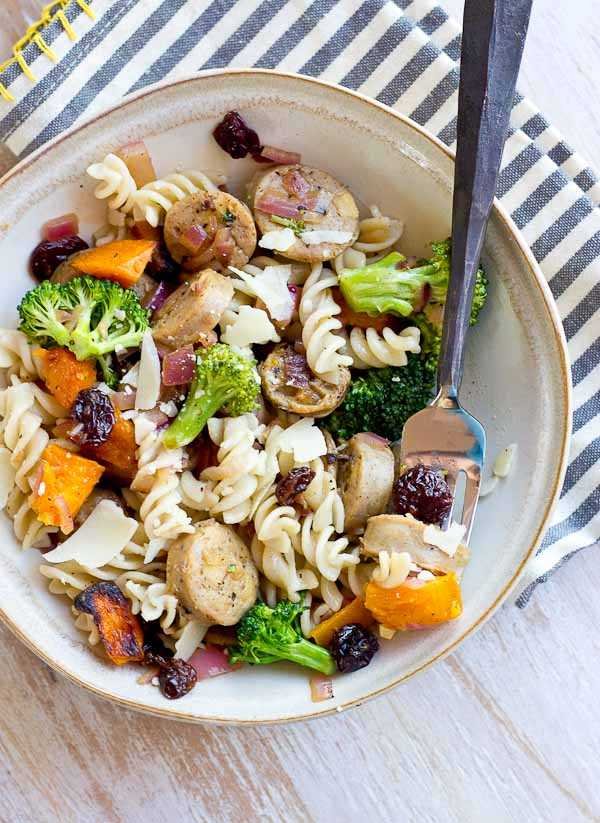
Eating anti-inflammatory foods after your workout can significantly reduce muscle soreness and speed up recovery, allowing you to get back to training feeling refreshed. Incorporating these foods into your post-exercise routine helps combat inflammation caused by intense activity, promoting better healing and performance. The key is choosing nutrient-rich options like berries, leafy greens, and fatty fish that contain natural compounds to fight inflammation. Making smart food choices immediately after your workout can make a real difference in how quickly you recover and how you feel during your next session. By understanding what to eat and when, you can optimize your recovery process and enjoy more consistent progress in your fitness journey.
Consuming anti-inflammatory foods after exercising can help reduce soreness and accelerate muscle repair. These foods contain natural compounds that diminish inflammation and support faster recovery, making them an essential part of effective workout routines. Incorporating them into your post-workout meal or snack ensures you recover better and get back to training stronger.
Eating anti-inflammatory foods right after working out is a game-changer for overall recovery and performance. When you push your body during exercise, inflammation naturally increases, which can lead to soreness and fatigue. Including foods rich in antioxidants, omega-3 fatty acids, and phytochemicals—such as berries, nuts, or fish—can help neutralize these inflammatory responses. Not only do these foods promote quicker healing, but they also boost your immune system and help maintain your energy levels. By making mindful choices about what you consume post-workout, you support your body’s natural healing process, reduce discomfort, and set yourself up for continued progress in your fitness journey.

Consuming Anti-Inflammatory Foods Post Workout
After a workout, your muscles need proper care to recover quickly and stay healthy. Eating anti-inflammatory foods can help reduce soreness and prevent injuries. These foods work by lowering inflammation caused by exercise, supporting your body’s healing process. Incorporating them into your post-workout meals is a simple way to boost recovery and improve overall fitness.
The Role of Inflammation After Exercise
Exercise naturally causes inflammation as your muscles adapt and grow stronger. However, too much inflammation can lead to pain, swelling, and longer recovery times. Chronic inflammation may even weaken your immune system and cause other health issues. That’s why balancing inflammation with anti-inflammatory foods is essential for optimal recovery.
Key Benefits of Eating Anti-Inflammatory Foods After a Workout
- Reduces muscle soreness: Helps you feel better faster after intense sessions.
- Speeds up recovery: Supports tissue repair and decreases downtime between workouts.
- Prevents injuries: Lowers the risk of chronic inflammation that can cause joint pain or muscle damage.
- Boosts immune health: Keeps your immune system strong and ready for your next workout.
- Improves overall health: Promotes better functioning of bodily systems and reduces disease risk.
Essential Nutrients in Anti-Inflammatory Foods
Foods rich in certain nutrients play a crucial role in fighting inflammation. Key nutrients include:
- Omega-3 fatty acids: Found in fatty fish, walnuts, and flaxseeds, they help reduce joint and muscle inflammation.
- Antioxidants: Present in colorful fruits and vegetables, they neutralize free radicals that cause cell damage.
- Polyphenols: Compounds in berries, tea, and dark chocolate that have anti-inflammatory effects.
- Vitamins C and E: Support immune function and protect tissues from oxidative stress.
- Turmeric and ginger: Spices with natural anti-inflammatory properties.
Top Anti-Inflammatory Foods to Consume Post Workout
Fatty Fish
Salmon, mackerel, and sardines are rich in **omega-3 fatty acids**. These healthy fats are well-known for reducing joint pain and muscle inflammation. Try to include a serving of fatty fish in your post-workout meal for optimal recovery.
Berries
Blueberries, strawberries, and raspberries contain high levels of **antioxidants** and **polyphenols**. They help decrease inflammation and promote tissue repair. Incorporate berries into smoothies or yogurt after your workout.
Leafy Green Vegetables
Spinach, kale, and Swiss chard are packed with **vitamins**, **minerals**, and **phytonutrients**. They support your immune system and reduce inflammation. Add them to salads or stews for a nutritious boost.
Nuts and Seeds
Almonds, walnuts, flaxseeds, and chia seeds provide **healthy fats** and **fiber**. Nuts like walnuts contain **omega-3s** and **antioxidants**, helping to combat exercise-induced inflammation. Snack on a handful or add them to oatmeal or yogurt.
Turmeric and Ginger
These spices have strong **anti-inflammatory** properties. Turmeric contains **curcumin**, and ginger has compounds that can reduce swelling. Include them in your post-exercise meals or drinks for added benefits.
Sample Post-Workout Meal Ideas
- Grilled Salmon with Quinoa and Steamed Spinach: Combines omega-3s with greens rich in antioxidants.
- Berry Smoothie with Chia Seeds: A quick way to get vitamins, minerals, and healthy fats.
- Turkey and Veggie Wrap with Turmeric Spiced Hummus: Offers protein and anti-inflammatory spices.
- Nuts and Berries Salad: Easy to prepare and portable, perfect after the gym.
Other Lifestyle Tips to Minimize Inflammation
Besides eating the right foods, staying hydrated and getting enough sleep are vital for recovery. Avoid processed foods high in sugar and trans fats, which can increase inflammation. Incorporate gentle stretching and low-impact activities to keep muscles loose and joints healthy.
Hydration
Drink plenty of water after your workout to flush out toxins and support cellular repair. Herbal teas with anti-inflammatory properties, like chamomile or ginger tea, are excellent options.
Rest and Recovery
Give your body time to heal by ensuring adequate sleep each night. Proper rest helps lower inflammation naturally and enhances the effectiveness of your nutritional strategies.
Consistent Exercise and Active Recovery
Regular, moderate exercise can reduce baseline inflammation over time. Incorporate activities like swimming, cycling, or walking for active recovery days.
Foods to Limit or Avoid After Workout
While focusing on anti-inflammatory foods, also be mindful of foods that can worsen inflammation. Limit intake of:
- Refined sugars: Found in sugary snacks, sodas, and baked goods.
- Processed oils: Such as soybean, corn, and canola oil.
- Refined grains: White bread, white rice, and pasta.
- Excessive alcohol: Can increase inflammation and hinder recovery.
The Power of Combining Foods for Better Results
Eating a variety of anti-inflammatory foods together can have a synergistic effect, boosting your body’s ability to recover. For example, pairing vitamin C-rich fruits with iron-rich greens enhances nutrient absorption and promotes healing.
The Importance of Consistency
Regularly including anti-inflammatory foods in your diet supports long-term health and fitness goals. Consistency helps your body adapt and reduces the baseline level of inflammation over time. Make these foods a staple part of your post-workout routine for sustained benefits.
By understanding how different foods influence inflammation, you can better plan your meals to support recovery. Focus on nourishing your body with the right nutrients, and you’ll notice improvements in soreness, energy levels, and overall well-being.
How to Start An Anti-Inflammatory Diet | Ask Cleveland Clinic's Expert
Frequently Asked Questions
How soon should I eat anti-inflammatory foods after my workout?
It is beneficial to consume anti-inflammatory foods within 30 to 60 minutes after completing your workout. This timing helps reduce muscle soreness, replenish nutrients, and start the recovery process more effectively. Having a balanced meal or snack that includes these foods shortly after exercise supports quicker healing and reduces inflammation.
Which anti-inflammatory foods are most effective for recovery?
Foods rich in omega-3 fatty acids such as salmon, mackerel, and walnuts are highly effective in reducing inflammation. Berries like blueberries and strawberries contain antioxidants that combat oxidative stress. Leafy greens such as spinach and kale provide essential nutrients that help decrease swelling and promote muscle repair. Incorporating a variety of these foods into your post-workout meal can optimize recovery.
Can consuming anti-inflammatory foods help prevent delayed onset muscle soreness (DOMS)?
Yes, including anti-inflammatory foods in your post-exercise diet can help lessen the severity and duration of DOMS. These foods reduce inflammation and oxidative stress in your muscles, which are common contributors to soreness. Regularly eating anti-inflammatory foods after workouts may lead to faster recovery times and less discomfort.
Are there specific beverages that promote anti-inflammatory effects after exercise?
Yes, drinks like tart cherry juice, green tea, and turmeric-infused beverages offer anti-inflammatory benefits post-workout. Tart cherry juice, in particular, contains anthocyanins that help reduce muscle pain and inflammation. Drinking these beverages soon after exercise can support your body’s natural recovery processes and decrease inflammation-related discomfort.
Final Thoughts
Consuming anti inflammatory foods post workout helps reduce muscle soreness and speeds up recovery. These foods supply essential nutrients that combat inflammation and support tissue repair. Including options like berries, leafy greens, and nuts in your post-exercise meal can make a significant difference. Prioritizing these foods ensures your body heals efficiently and stays ready for the next workout.
As an Amazon Associate, We earn from qualifying purchases. When you purchase a product through Amazon links on pulsefitguide.com, we may earn a small commission at no extra cost to you. This helps support the site and keep our content free.