

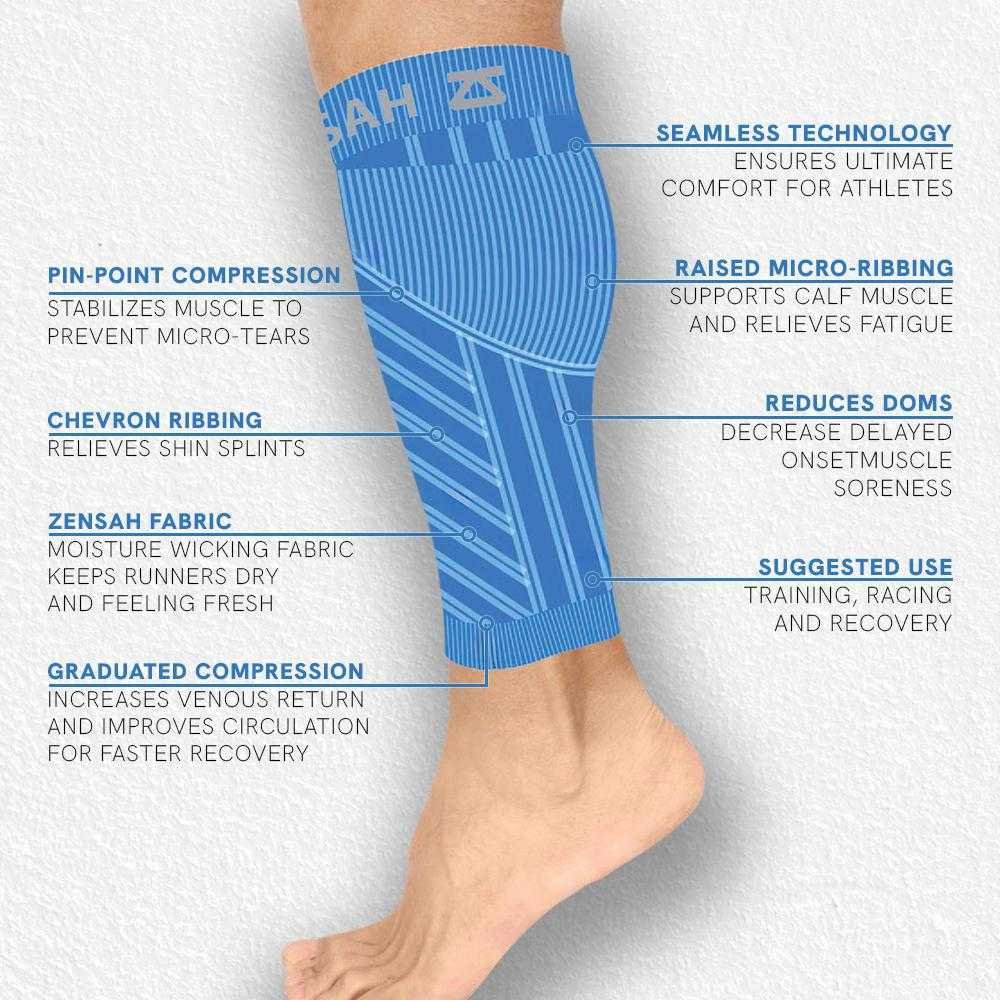
Compression sleeves or socks are an effective way to boost circulation and reduce discomfort during daily activities or while traveling. They work by applying gentle pressure to your legs, helping blood flow more efficiently and preventing swelling or fatigue. If you’re looking for a simple, non-invasive method to improve your circulation, these garments could be your best bet.
Wearing compression sleeves or socks can significantly enhance blood flow, especially for those who spend long hours on their feet, sit for extended periods, or suffer from circulation issues. They are designed to provide targeted support, reduce swelling, and promote overall leg health. Whether you’re an athlete, a traveler, or someone experiencing circulation problems, incorporating compression wear into your routine can make a noticeable difference in comfort and well-being.

Compression Sleeves or Socks for Circulation
What Are Compression Sleeves and Socks?
Compression sleeves and socks are specially designed garments that fit snugly around your arms or legs. They apply pressure to improve blood flow and reduce swelling. These garments are made from stretchy materials that gently squeeze the limbs, promoting better circulation. They are often used by athletes, people who stand all day, or anyone seeking to enhance their vascular health.
How Do Compression Garments Work to Improve Circulation?
These garments work by exerting **gradual pressure** from the ankle or wrist up towards the calf or forearm. This pressure helps **push blood back up to the heart** more efficiently. As a result, they prevent blood from pooling in the lower limbs, reduce discomfort, and decrease the risk of blood clots. The pressure is most intense at the ankles or wrists and gradually decreases higher up the limbs.
Benefits of Using Compression Sleeves or Socks
- Enhance blood flow to muscles and tissues.
- Reduce swelling caused by fluid retention or standing for long periods.
- Prevent varicose veins and spider veins.
- Accelerate recovery after physical activity or injury.
- Relieve muscle soreness and fatigue.
Many users report feeling less tired and more energized after wearing compression gear during active hours.
Types of Compression Garments
There are several options available, each suited to different needs:
Compression Sleeves
These are designed to cover only the arms or legs, providing targeted compression. They are lightweight and easy to wear under clothing.
Compression Socks
Specifically made for the legs, they come in various lengths, such as knee-high, thigh-high, or full-length. They are popular among athletes, travelers, and workers on their feet all day.
Full Leg or Arm Sleeves
Cover the entire limb, offering more comprehensive support. They are often used post-surgery or during medical treatments.
Choosing the Right Compression Level
Compression gear is categorized based on pressure measured in millimeters of mercury (mm Hg). Different levels suit different needs:
| Compression Level | Description | Ideal For |
|---|---|---|
| Light (8-15 mm Hg) | Gentle pressure, suitable for minor swelling or fatigue. | Daily use, travel, or occasional sports. |
| Moderate (15-20 mm Hg) | Standard support for moderate swelling or varicose veins. | Active individuals, office workers. |
| Firm (20-30 mm Hg) | More intense compression, helps with severe varicose veins or post-surgery recovery. | Medical needs, doctor’s recommendation. |
| Extra Firm (30+ mm Hg) | High compression for serious medical conditions. | Only under medical supervision. |
Choosing the correct level depends on your specific needs. Consulting a healthcare provider ensures you get the right fit and compression level.
Materials and Design Features
Compression socks and sleeves are made from synthetic fibers like nylon, spandex, or elastane. These materials provide elasticity, durability, and moisture-wicking properties. Features to look for include:
- Breathability: Keeps skin dry and comfortable.
- Seamless designs: Reduce irritation.
- Variety of colors and styles: Allows personal expression or matching with athletic gear.
- Durability: Maintains compression level after multiple washes.
Proper fit is crucial for effective results, so sizing charts are important to ensure comfort and functionality.
Who Should Wear Compression Sleeves or Socks?
Anyone experiencing circulation issues or seeking preventive support can benefit. Specific groups include:
Athletes
They often wear compression gear during and after workouts to reduce muscle soreness and speed recovery.
Travelers
Especially during long flights or car rides, compression socks help prevent deep vein thrombosis (DVT).
People on Their Feet All Day
Workers like nurses, retail staff, or teachers often wear compression socks to reduce fatigue and swelling.
Individuals with Circulatory Problems
Those with varicose veins, edema, or other vascular conditions should consult a doctor about compression therapy.
Post-Surgical Patients
Doctors may recommend compression garments to support healing and prevent complications like blood clots.
Proper Use and Care of Compression Socks and Sleeves
To get the most benefit, it’s important to wear the garments as instructed:
- Put them on in the morning: Legs are less swollen.
- Ensure a snug but comfortable fit: Avoid wrinkles or bunching.
- Wash regularly: Use mild detergent and air dry to maintain elasticity.
- Replace when worn out: Typically every six months to maintain effectiveness.
Correct handling ensures longevity and consistent pressure.
Limitations and Precautions
While compression gear offers many benefits, it’s essential to be aware of limitations:
- Not suitable for skin infections: Can worsen symptoms.
- Should not cause discomfort: If it feels tight or painful, remove it and seek advice.
- Medical conditions: People with certain medical issues like peripheral artery disease should consult healthcare providers before use.
Improper use can sometimes cause more harm than good.
Additional Related Topics
To maximize circulation health, consider these related practices:
Leg Elevation
Raising legs periodically helps reduce swelling and improves blood flow.
Regular Exercise
Activities like walking, cycling, or swimming promote natural circulation.
Healthy Diet
Eating foods rich in antioxidants and staying hydrated support vascular health.
Hydration
Proper fluid intake prevents blood from thickening and helps maintain circulation.
Medical Consultation
Always seek professional advice if you experience persistent swelling, pain, or circulation problems.
Incorporating compression sleeves or socks into daily routines can significantly help maintain healthy circulation, especially for those with specific health concerns or active lifestyles. Choosing the right type, compression level, and ensuring proper use enhances benefits and promotes overall vascular health.
What do Compression Socks Do? [Benefits of Compression Socks]
Frequently Asked Questions
How do compression sleeves or socks help improve blood flow during physical activity?
Compression sleeves and socks apply gentle pressure to your legs, which helps enhance blood flow by encouraging the veins to work more efficiently. This increased circulation delivers oxygen and nutrients to muscles more effectively, reducing fatigue and soreness during exercise. The improved blood flow also aids in quicker recovery after physical activity.
What factors should I consider when choosing compression garments for circulation?
When selecting compression sleeves or socks, consider the level of compression needed, the fit, and the material. It’s important to choose a size that fits snugly but not too tight to avoid restricting circulation. Look for breathable, moisture-wicking fabrics that keep your skin dry and comfortable during prolonged wear. Additionally, consider the activity you’ll be doing to select the appropriate compression level.
Are there specific conditions that benefit most from wearing compression sleeves or socks?
People with varicose veins, chronic venous insufficiency, or those at risk of blood clots often see benefits from compression gear. Athletes use them to reduce muscle vibration and fatigue, while others recovering from injuries find they help decrease swelling. Consult a healthcare professional if you have underlying circulatory issues to determine if compression wear suits your needs.
What is the recommended duration for wearing compression sleeves or socks?
You can wear compression sleeves or socks during physical activity, for extended periods during the day, or as advised by your healthcare provider. For athletic purposes, wearing them during workouts and recovery phases can be beneficial. If you experience discomfort or circulation issues, remove them and consult a healthcare professional to adjust wear time and compression level.
Can improper use of compression sleeves or socks cause any health issues?
Using compression garments that are too tight or wearing them for too long without breaks can restrict blood flow and cause discomfort, numbness, or tingling. In some cases, this may worsen circulation problems. Always ensure the correct size and follow manufacturer guidelines or medical advice to prevent adverse effects.
Final Thoughts
Compression sleeves or socks for circulation provide essential support for those experiencing poor blood flow or standing for long periods. They improve circulation, reduce swelling, and alleviate discomfort. Wearing them regularly can boost overall leg health and enhance performance during physical activities. In summary, compression sleeves or socks for circulation offer a practical solution to promote healthier, more comfortable legs daily.
As an Amazon Associate, We earn from qualifying purchases. When you purchase a product through Amazon links on pulsefitguide.com, we may earn a small commission at no extra cost to you. This helps support the site and keep our content free.