

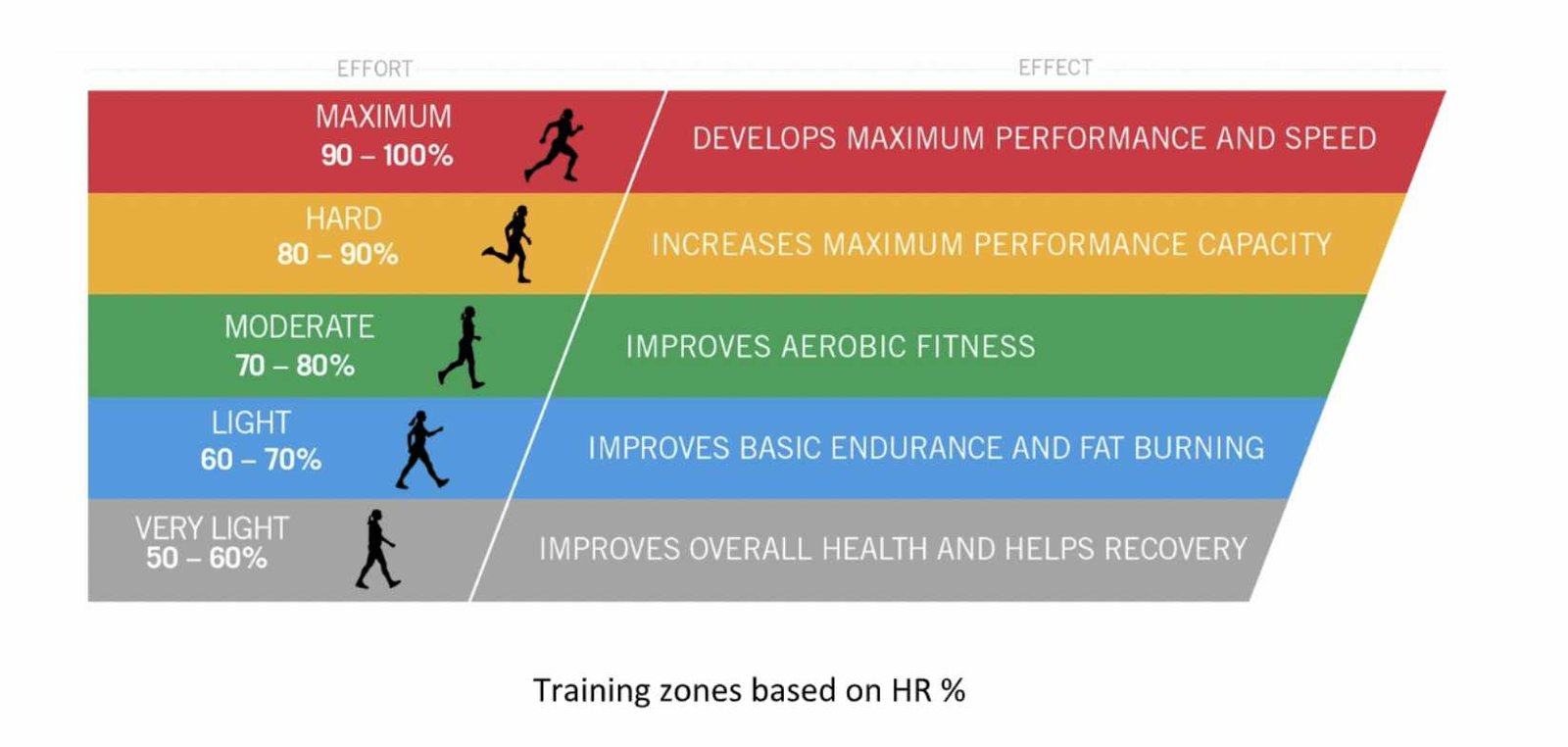
If you’re looking to optimize your cardio workout and maximize fat burning, understanding the ‘Cardio 2 Zone’ is essential. The key is to stay within a moderate intensity that boosts endurance without causing exhaustion. This zone balances effort and recovery, making your workouts more effective and sustainable.
In short, the Cardio 2 Zone is a moderate-intensity workout zone where you elevate your heart rate to a level that improves cardiovascular health and aids fat loss while allowing for longer, more manageable exercise sessions. Staying in this zone helps you achieve better results without overexerting, making it ideal for beginners and seasoned athletes alike.
Hitting the right cardio zone can transform your exercise routine, helping you burn calories efficiently and improve your heart health. Many people often overlook the importance of training within specific heart rate zones, but doing so can make a significant difference in reaching your fitness goals. The Cardio 2 Zone, in particular, offers a sweet spot where effort meets endurance, allowing you to work out longer, recover faster, and see steady progress. Whether you’re aiming for weight loss, improved stamina, or overall health, mastering this zone can make your workouts more effective and enjoyable.

Understanding the Cardio 2 Zone and Its Benefits
The cardio 2 zone is a specific heart rate range that plays a crucial role in fitness training. It is often referred to as the ‘fat-burning zone’ and is important for both beginners and experienced athletes. Knowing how to target this zone can improve endurance and overall health.
What Is the Cardio 2 Zone?
The cardio 2 zone typically refers to exercising at about 50% to 60% of your maximum heart rate. This intensity level is moderate and sustainable for longer periods. It allows your body to efficiently burn fat while keeping your heart engaged without overexertion.
How to Calculate Your Heart Rate for the Cardio 2 Zone
The first step is determining your maximum heart rate, which can be estimated by subtracting your age from 220. For example, if you’re 30 years old, your maximum heart rate is approximately 190 beats per minute (bpm). To find your cardio 2 zone, multiply this number by 0.50 and 0.60.
| Age | Estimated Max Heart Rate | Cardio 2 Zone Range (bpm) |
|---|---|---|
| 30 | 190 | 95 – 114 bpm |
| 40 | 180 | 90 – 108 bpm |
| 50 | 170 | 85 – 102 bpm |
Why Is Exercising in the Cardio 2 Zone Important?
This zone is particularly effective for burning fat and improving cardiovascular health. It helps your body use oxygen efficiently and encourages long-duration workouts. Regular exercise at this level can lead to increased stamina and better metabolic health.
Key Benefits of Cardio 2 Zone Workouts
- Fat Loss: Promotes burning stored fat for energy, helping with weight management.
- Enhanced Endurance: Builds your ability to exercise longer without fatigue.
- Cardiovascular Health: Strengthens the heart and improves blood circulation.
- Recovery Aid: Serves as a low-impact workout that aids in active recovery after intense sessions.
Best Activities to Reach the Cardio 2 Zone
Walking and Hiking
Fast-paced walking or light hiking can comfortably keep you within this zone. It’s accessible and ideal for beginners starting their fitness journey.
Cycling
Moderate cycling at a steady pace allows you to stay in the cardio 2 range. It is low-impact and suitable for all ages.
Jogging and Elliptical Training
Light jogging or using an elliptical at a controlled speed can help maintain your heart rate in this moderate intensity zone.
Monitoring Your Heart Rate Effectively
Wearing a heart rate monitor or fitness tracker is the most accurate way to stay in the cardio 2 zone. Many devices sync with smartphone apps for real-time feedback.
- Start your workout with a warm-up.
- Check your heart rate periodically during exercise.
- Adjust your intensity if your heart rate moves outside the desired range.
Tips for Maximizing Cardio 2 Zone Workouts
- Gradually Increase Duration: Start with 15-minute sessions and build up to 45 minutes or more.
- Maintain Proper Hydration: Drink water before, during, and after exercise.
- Incorporate Variety: Mix walking, cycling, and elliptical workouts to keep things interesting.
- Listen to Your Body: Avoid overexertion; rest if you feel dizzy or overly fatigued.
Common Mistakes to Avoid
Many exercisers mistakenly push themselves too hard or too little. Staying outside the cardio 2 zone, especially during longer sessions, reduces workout effectiveness. Using inaccurate heart rate measurement devices can also mislead your efforts, so investing in reliable equipment is essential.
How Cardio 2 Zone Fits Into a Balanced Fitness Routine
While the cardio 2 zone is great for fat burning and endurance, combining it with higher-intensity zones can lead to more comprehensive fitness. For example, alternating between light, moderate, and high-intensity workouts creates an effective training program.
Sample Weekly Workout Plan Incorporating Cardio 2 Zone
Here’s an example of how to include cardio 2 zone exercises weekly:
| Day | Workout Type | Duration |
|---|---|---|
| Monday | Brisk walking in the cardio 2 zone | 30 minutes |
| Wednesday | Cycling at moderate pace | 40 minutes |
| Friday | Elliptical trainer session | 30 minutes |
| Sunday | Hiking or outdoor walk | 60 minutes |
Tracking Progress and Adjusting Your Routine
Keep a workout journal or use fitness apps to monitor your heart rate and duration. As your fitness improves, increase workout time or intensity slightly while remaining within the cardio 2 range for optimal benefits.
Related Topics to Explore
- Understanding Heart Rate Zones and Their Benefits
- Difference Between Fat Burning and Cardio Zones
- Best Equipment for Heart Rate Monitoring
- Nutrition Tips to Complement Cardio Workouts
- Recovery Strategies After Moderate Intensity Exercise
Final Thoughts on the Cardio 2 Zone
Focusing on the cardio 2 zone for your workouts provides an effective way to burn fat and improve heart health while being manageable for most fitness levels. Incorporate a variety of activities to keep your routine engaging and sustainable. Monitoring your heart rate ensures you stay within the optimal range for your goals and abilities, leading to better results and a healthier body.
Frequently Asked Questions
What activities are best suited for training in the cardio 2 zone?
Activities like brisk walking, light jogging, cycling, or swimming are ideal for exercising in the cardio 2 zone. These activities help maintain a moderate intensity level where your breathing is steady, and you can carry on a conversation comfortably. Such exercises promote cardiovascular endurance without overexerting your body.
How can I monitor my heart rate to stay within the cardio 2 zone?
You can track your heart rate using a fitness tracker, heart rate monitor, or smartwatch. To stay in the cardio 2 zone, aim to keep your heart rate between 50% and 60% of your maximum heart rate. Regularly checking your pulse or device readings during exercise helps ensure you maintain the optimal intensity for this zone.
What are the benefits of consistent workouts in the cardio 2 zone?
Training consistently in this zone enhances your cardiovascular efficiency, improves endurance, and increases your overall stamina. It also helps burn calories efficiently, supports weight management, and promotes better recovery from higher-intensity workouts. Over time, these benefits contribute to better heart health and physical fitness.
Can cardio 2 zone workouts help with weight management?
Yes, exercising in the cardio 2 zone can assist in weight management by promoting fat burning while minimizing fatigue. Since this zone involves moderate activity, you can sustain longer sessions, which increases overall calorie expenditure. Incorporating these workouts regularly supports healthy weight loss and maintenance goals.
How long should I stay in the cardio 2 zone during each workout session?
It is recommended to exercise within the cardio 2 zone for about 30 to 60 minutes per session, depending on your fitness level and goals. Building up gradually ensures your body adapts well and minimizes the risk of fatigue. Consistent longer sessions can lead to better cardiovascular improvements over time.
Final Thoughts
In conclusion, training in the ‘cardio 2 zone’ offers an effective way to improve endurance and burn fat. Staying within this zone helps you maximize your workout benefits without overexertion.
Focusing on this specific intensity ensures consistent progress and supports overall fitness goals. Incorporate ‘cardio 2 zone’ sessions regularly for best results and enjoy the lasting health benefits.
As an Amazon Associate, We earn from qualifying purchases. When you purchase a product through Amazon links on pulsefitguide.com, we may earn a small commission at no extra cost to you. This helps support the site and keep our content free.