

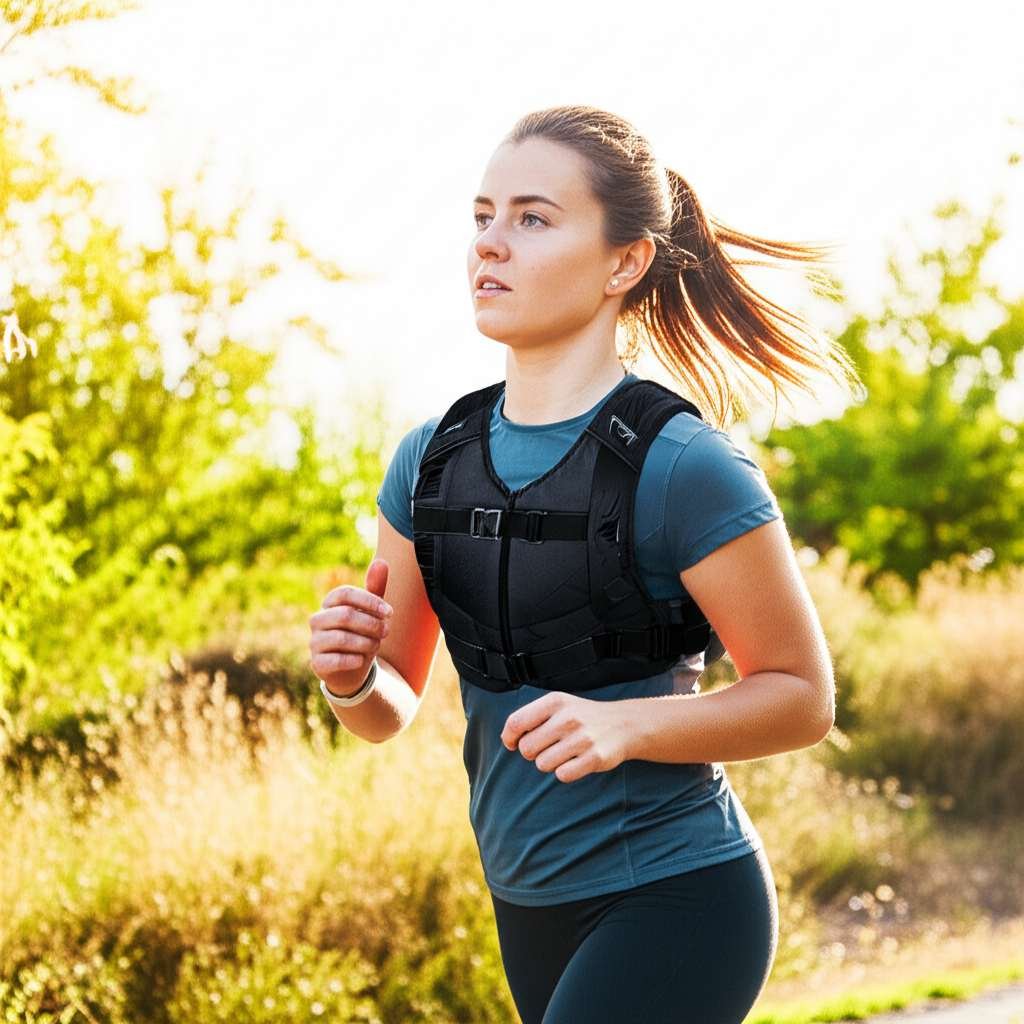
Yes, you can lose weight by walking with a weighted vest. Adding weight increases the intensity of your walk, burning more calories and boosting metabolism. When combined with a healthy diet, it’s an effective tool for weight loss. This guide will show you how to use it safely and effectively.
Feeling like your weight loss efforts are just not adding up? You’re not alone. Many of us find the journey to a healthier weight confusing and a little frustrating. It can feel like you’re doing all the right things, but the scale just won’t budge.
The good news is that there are simple, science-backed ways to give your efforts a powerful boost. One such tool is the weighted vest. It sounds a bit intense, but it can be a game-changer when used correctly.
In this guide, I’ll break down exactly how walking with a weighted vest can help you shed those extra pounds. We’ll cover everything from choosing the right vest to building up your walking routine safely. Let’s get started on making your weight loss goals a reality!
Can You Lose Weight By Walking With Weighted Vest? The Science Explained
The simple answer is yes! Walking with a weighted vest can absolutely contribute to weight loss. But how does it work? It all comes down to a few key principles of how our bodies burn calories and build muscle.
Think of your body like a car. To move, it needs fuel (calories). The harder you make the car work, the more fuel it burns. A weighted vest makes your body work harder with every step you take. This means you burn more calories during your walk than you would without it.
This increased calorie burn is a fundamental part of creating a calorie deficit, which is essential for losing weight. When you consistently burn more calories than you consume, your body starts to tap into stored fat for energy, leading to weight loss.
The Physics of Burning More Calories
When you add weight to your body, you increase the workload your muscles and cardiovascular system have to perform. This extra effort requires more energy, and that energy comes from the calories you’ve consumed.
The principle is straightforward: more weight to move = more energy (calories) expended. This is why activities like carrying groceries or climbing stairs can feel more tiring than a casual stroll. A weighted vest simulates this extra load in a controlled way.
Boosting Your Metabolism
Beyond the immediate calorie burn during your walk, a weighted vest can also have a positive impact on your metabolism. Metabolism is the process by which your body converts what you eat and drink into energy. A faster metabolism means your body burns more calories even at rest.
Engaging in higher-intensity exercise, like walking with added weight, can help to increase your resting metabolic rate. This means that even after your walk is over, your body continues to burn calories at a slightly elevated rate, contributing to long-term weight management.
According to the American Heart Association, regular physical activity is crucial for maintaining a healthy weight and reducing the risk of chronic diseases. Adding a weighted vest is a way to make your existing activity more impactful.
How Much Weight Should You Add?
Choosing the right amount of weight for your vest is crucial for both effectiveness and safety. Too little weight might not provide enough of a challenge, while too much can lead to injury or make the exercise unsustainable.
The general recommendation for beginners is to start with a weight that is around 5% to 10% of your body weight. This is a good starting point to feel the increased effort without overexerting yourself.
Starting with 5-10% of Your Body Weight
Let’s say you weigh 150 pounds. A good starting point for your weighted vest would be between 7.5 pounds (5% of 150) and 15 pounds (10% of 150).
This range allows your body to gradually adapt to the extra load. You’ll notice your heart rate increasing and your muscles working harder, but you should still be able to maintain a comfortable pace and conversation.
Here’s a simple table to help you estimate your starting weight:
| Your Body Weight (lbs) | 5% of Body Weight (lbs) | 10% of Body Weight (lbs) | Recommended Starting Weight Range (lbs) |
|---|---|---|---|
| 100 | 5 | 10 | 5 – 10 |
| 120 | 6 | 12 | 6 – 12 |
| 140 | 7 | 14 | 7 – 14 |
| 160 | 8 | 16 | 8 – 16 |
| 180 | 9 | 18 | 9 – 18 |
| 200 | 10 | 20 | 10 – 20 |
Gradual Progression
Once you’ve become comfortable walking with your chosen starting weight for a few weeks, you can gradually increase the load. A good rule of thumb is to add no more than 1-2 pounds at a time.
Listen to your body. If you experience any joint pain, unusual fatigue, or discomfort, it’s a sign that you may have added too much weight too soon. It’s better to progress slowly and safely than to risk an injury that sets you back.
Choosing the Right Weighted Vest
Not all weighted vests are created equal. For walking and general fitness, you’ll want a vest that is comfortable, adjustable, and allows for a good range of motion.
When you’re just starting out, look for vests that have removable weight plates or bags. This allows you to easily adjust the total weight and find your perfect starting point.
Key Features to Look For:
- Adjustability: The ability to add or remove weight is essential.
- Comfort and Fit: It should fit snugly without restricting your breathing or causing chafing. Look for padded shoulder straps and a secure closure system.
- Weight Distribution: The weight should be evenly distributed across your torso to prevent strain on any one area.
- Breathability: Vests made with mesh materials can help keep you cooler during your walks.
- Durability: A well-made vest will last longer and withstand regular use.
Many reputable fitness brands offer weighted vests suitable for walking. When purchasing, read reviews from other users who have used them for similar activities to get a good sense of their performance and comfort.
How to Start Walking With a Weighted Vest: A Step-by-Step Plan
Ready to give it a try? Here’s a simple plan to get you started safely and effectively. Remember, consistency is key!
Step 1: Get Your Vest
Choose a vest based on the guidelines above. Start with a vest that allows you to adjust the weight easily.
Step 2: Determine Your Starting Weight
As we discussed, begin with 5-10% of your body weight. If you’re unsure, err on the side of caution and start lighter. You can always add more later.
Step 3: Your First Walk (Focus on Form and Comfort)
Duration: Start with shorter walks, around 15-20 minutes.
Pace: Maintain a comfortable, brisk pace where you can still talk but feel your heart rate elevated.
Focus: Pay attention to how your body feels. Notice your posture, breathing, and any strain on your joints.
Step 4: Gradually Increase Duration and Weight
Over the next few weeks, slowly increase the length of your walks by 5 minutes each week, aiming for 30-45 minutes. Once you feel comfortable with the duration and weight, you can consider adding a pound or two to your vest, again, listening closely to your body.
Step 5: Frequency
Aim to walk with your weighted vest 3-4 times per week. Allow at least one rest day between sessions, especially when you’re starting out, to give your body time to recover.
Step 6: Listen to Your Body
This is the most important step! If you feel pain (not just muscle fatigue), stop. Don’t push through sharp or persistent pain. Rest, and if it continues, consult a healthcare professional.
The Benefits of Walking With a Weighted Vest
Beyond the primary goal of weight loss, incorporating a weighted vest into your walking routine offers a variety of other health benefits.
1. Increased Calorie Burn
This is the main attraction! Studies have shown that wearing a weighted vest can increase calorie expenditure significantly during walking. For example, a study published in the Journal of Strength and Conditioning Research found that participants burned more calories when wearing a weighted vest during their exercise. This makes your walks more efficient for weight loss.
2. Improved Cardiovascular Health
Your heart is a muscle, and like any muscle, it gets stronger with a good workout. The added resistance from the vest challenges your heart more, leading to improvements in your cardiovascular fitness over time. This can translate to lower resting heart rates and better endurance.
3. Enhanced Muscular Strength and Endurance
Walking with added weight works your leg muscles, glutes, and core more intensely. Over time, this can lead to increased strength and endurance in these muscle groups. You might notice everyday activities feel easier.
4. Bone Density Improvement
Weight-bearing exercises are crucial for maintaining and improving bone density. The added load from a weighted vest stimulates your bones, which can help to prevent osteoporosis and keep your bones strong as you age. The National Osteoporosis Foundation recommends weight-bearing exercises for bone health.
5. Time Efficiency
If you’re short on time, a weighted vest can make your existing walks more effective. You can achieve a greater calorie burn and fitness benefit in a shorter amount of time compared to walking without the vest.
Potential Downsides and How to Avoid Them
While weighted vests offer many advantages, it’s important to be aware of potential downsides and how to mitigate them.
1. Risk of Injury
The biggest risk is putting too much stress on your joints, particularly your knees, hips, and ankles, or straining your back. This is usually due to adding too much weight too soon or having poor walking posture.
How to avoid:
- Start with a conservative weight (5-10% of body weight).
- Focus on good posture: chest up, shoulders back, core engaged.
- Gradually increase weight and duration.
- If you have pre-existing joint issues, consult a doctor or physical therapist before starting.
2. Overexertion and Fatigue
Wearing a weighted vest makes exercise more demanding. You might feel more tired than usual, which can be discouraging if you’re not prepared for it.
How to avoid:
- Start with shorter walks and build up gradually.
- Ensure you’re well-hydrated and have eaten appropriately before your walk.
- Listen to your body and take rest days when needed.
3. Discomfort and Chafing
An ill-fitting vest can rub and chafe, making your walk unpleasant. This is especially true if you wear thin clothing underneath.
How to avoid:
- Invest in a vest with good padding and an adjustable fit.
- Wear moisture-wicking clothing underneath the vest.
- Consider using anti-chafing balm on potential rub points.
4. Not Suitable for Everyone
Individuals with certain medical conditions (e.g., severe heart conditions, high blood pressure, significant mobility issues) might need to avoid or use extreme caution with weighted vests. Pregnant women should consult their doctor before use.
How to avoid:
- Always consult your healthcare provider before starting any new exercise program, especially one involving added weight.
Integrating Weighted Vest Walking into Your Weight Loss Plan
A weighted vest is a tool, not a magic bullet. For effective and sustainable weight loss, it needs to be part of a comprehensive approach.
1. Nutrition is Paramount
Weight loss fundamentally comes down to consuming fewer calories than your body burns. While the weighted vest increases your calorie expenditure, your diet plays the most significant role in creating a calorie deficit. Focus on whole, unprocessed foods, lean proteins, plenty of vegetables, and healthy fats.
For guidance on healthy eating, resources like the MyPlate initiative from the USDA offer practical advice on building balanced meals.
2. Consistency is Key
Whether it’s walking with a vest, eating healthy, or getting enough sleep, consistency is what drives results. Aim for regular walks and consistent healthy eating habits throughout the week.
3. Listen to Your Body and Progress Gradually
As we’ve emphasized, never push through pain. Progress at a pace that feels challenging but manageable. This approach ensures you build sustainable habits and avoid setbacks from injury or burnout.
4. Combine with Other Forms of Exercise
While weighted vest walking is great, adding variety can enhance your results and prevent plateaus. Consider incorporating strength training exercises (bodyweight or with weights) to build muscle, which further boosts your metabolism. Yoga or stretching can improve flexibility and aid recovery.
5. Stay Hydrated and Get Enough Sleep
Proper hydration is crucial for all bodily functions, including metabolism and recovery. Aim for at least 8 glasses of water a day, more if you’re exercising intensely. Adequate sleep (7-9 hours per night) is also vital for hormone regulation, muscle repair, and overall energy levels, all of which impact weight loss.
Frequently Asked Questions (FAQ)
Q1: How often should I walk with a weighted vest?
A1: For beginners, start with 3-4 times per week. Allow rest days in between to let your body recover. As you get fitter, you can increase frequency if desired, but always listen to your body.
Q2: Can I wear a weighted vest for running?
A2: While possible, running with a weighted vest significantly increases the impact on your joints. It’s generally recommended for beginners to start with walking and only consider running with a vest after building a strong foundation and consulting with a fitness professional.
Q3: What if I feel knee pain while walking with a weighted vest?
A3: Knee pain is a sign to stop immediately. It could mean the weight is too heavy, your walking form needs adjustment, or you have an underlying issue. Reduce the weight significantly or stop using the vest and consult a doctor or physical therapist.
Q4: How long will it take to see results from walking with a weighted vest?
A4: Weight loss is a journey and results vary. With consistent walking (3-4 times per week) and a healthy diet, you might start noticing changes in how your clothes fit within 4-6 weeks. Significant weight loss takes time and sustained effort.
Q5: Can children use a weighted vest?
A5: No, weighted vests are generally not recommended for children. Their bodies are still developing, and adding external weight can be harmful. Always consult a pediatrician before considering any weight-bearing exercise for children.
Q6: What is the best type of weighted vest for walking?
A6: For walking, look for a vest that is comfortable, adjustable in weight, distributes weight evenly, and allows for a full range of motion. Vests with removable weight plates or bags are ideal for beginners as they allow for easy weight adjustments.
Conclusion
Walking with a weighted vest can be a highly effective strategy for boosting your weight loss efforts. By increasing the intensity of your walks, you burn more calories, improve cardiovascular health, and build strength, all while making your exercise time more efficient.
Remember, the key to success lies in starting smart: choose the right vest, begin with a conservative weight (5-10% of your body weight), and gradually increase duration and intensity as your body adapts. Always prioritize listening to your body, maintaining good form, and avoiding pain.
When combined with a balanced, healthy diet and consistent effort, weighted vest walking can be a powerful ally on your weight loss journey. It’s a practical, science-backed method to help you achieve your fitness goals and feel stronger and healthier. So lace up your shoes, put on your vest, and take that empowering step towards a healthier you!
As an Amazon Associate, We earn from qualifying purchases. When you purchase a product through Amazon links on pulsefitguide.com, we may earn a small commission at no extra cost to you. This helps support the site and keep our content free.