

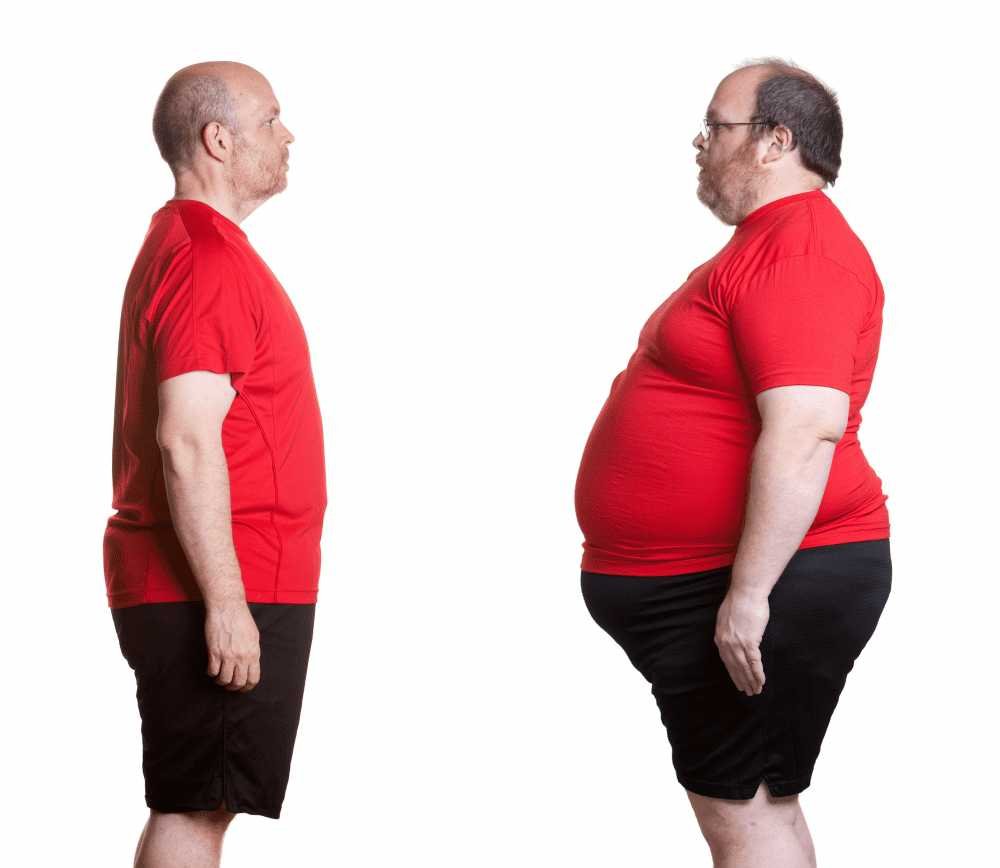
Losing weight can significantly reduce sciatica pain by alleviating pressure on the sciatic nerve. Shedding extra pounds often leads to less strain on your lower back and hips, which can help ease discomfort and improve mobility. In many cases, weight loss is a natural way to complement other treatments and promote healing.
In short, losing weight can help relieve sciatica pain by decreasing the stress on your spine and nerves. While it’s not a cure-all, combining weight management with physical therapy and proper posture can make a noticeable difference in reducing symptoms and enhancing overall quality of life.
If you’ve been struggling with sciatica, you might wonder whether dropping a few pounds could make a difference. Weight gain often places added stress on the lower back and hips, which are closely linked to sciatic pain. When you lose weight, especially around your abdomen and hips, the pressure on your spine and sciatic nerve decreases, potentially reducing pain and inflammation. This, in turn, can lead to better mobility and comfort over time. While weight loss isn’t an instant remedy, it’s a proactive step that complements other treatments and can lead to long-term relief. Maintaining a healthy weight supports overall spinal health and can prevent future episodes of sciatica.

Can Weight Loss Help Sciatica Pain?
Understanding Sciatica and Its Causes
Sciatica is a common condition that causes pain along the path of the sciatic nerve. This nerve runs from the lower back through the hips and down each leg. Many people experience sharp, burning, or numbness sensations due to pressure or irritation of this nerve.
The main causes of sciatica include herniated discs, spinal stenosis, or bone spurs. These issues can develop or worsen when there is excess weight pressing on the lower back. Therefore, understanding how weight influences sciatica helps in managing the condition more effectively.
The Connection Between Excess Weight and Sciatica
Carrying extra weight increases pressure on the lower spine. This added strain can lead to disc degeneration or herniation which irritates the sciatic nerve. Over time, excess weight can also cause poor posture that worsens nerve compression.
Research shows that individuals with a higher body mass index (BMI) are more prone to developing sciatica. Losing weight reduces this strain and can significantly decrease the severity of nerve compression symptoms.
How Weight Loss Can Alleviate Sciatica Symptoms
Losing weight helps reduce the load on the spine, which in turn decreases pressure on the sciatic nerve. This reduction often results in less pain, less inflammation, and improved mobility.
Additionally, weight loss can help improve posture and spinal alignment. Better posture reduces nerve compression chances and promotes healthy nerve function.
Benefits of Weight Management for Sciatica Patients
- Decreased nerve pressure and inflammation
- Reduced pain episodes and severity
- Improved mobility and flexibility
- Enhanced overall spine health
- Decreased risk of future nerve compression issues
Regular weight management is an important part of a comprehensive approach to treating sciatica. It complements other treatments like physical therapy and medication.
Effective Strategies for Weight Loss to Help Sciatica
1. Follow a Nutritious Diet
Adopting a balanced diet rich in fruits, vegetables, lean proteins, and whole grains supports healthy weight loss. Limit processed foods, sugary drinks, and high-fat snacks that can hinder progress.
2. Incorporate Regular Exercise
Low-impact exercises such as walking, swimming, or cycling reduce stress on the back. These activities help burn calories and strengthen core muscles that support the spine.
3. Practice Portion Control
Controlling portion sizes can help manage calorie intake without feeling deprived. Small, frequent meals prevent overeating and stabilize blood sugar levels.
4. Stay Consistent and Patient
Progress may take time, but consistency is key. Regular exercise combined with proper nutrition yields steady weight loss and symptom improvement.
Physical Activities That Aid in Weight Loss and Support Back Health
Certain exercises specifically benefit people with sciatica. These include:
- Walking sessions for overall calorie burn
- Swimming or water aerobics to reduce joint impact
- Gentle stretching routines to improve flexibility
- Core strengthening exercises to stabilize the lower back
Always consult a healthcare provider before starting any new exercise program to ensure it is safe for your condition.
Additional Tips for Managing Sciatica and Weight Loss
- Maintain good posture during daily activities to prevent nerve compression
- Avoid prolonged sitting or standing without breaks
- Use ergonomic chairs and supportive footwear
- Prioritize sleep, as adequate rest supports weight loss and healing
- Consider physical therapy to strengthen muscles and improve spinal health
Potential Risks of Rapid or Unhealthy Weight Loss
Rapid weight loss methods can cause muscle loss and nutritional deficiencies, which may worsen back pain. It is vital to aim for gradual weight loss of about 1 to 2 pounds per week.
Consulting a healthcare professional or registered dietitian ensures a safe and effective weight loss plan tailored to your needs. Remember, sustainable habits lead to better long-term results.
Role of Lifestyle Changes in Managing Sciatica
Lifestyle adjustments like stress management, quitting smoking, and reducing alcohol intake can affect nerve health. These changes support a healthier body and facilitate weight loss efforts.
A holistic approach that combines diet, exercise, and lifestyle modifications provides the best results for minimizing sciatica discomfort.
Summing Up: Is Weight Loss the Key to Sciatica Relief?
Losing weight can significantly improve sciatica symptoms by lessening pressure on the sciatic nerve and promoting better spinal health. While weight loss alone may not eliminate sciatica, it plays a crucial role in a comprehensive treatment plan.
By adopting healthy eating habits, staying active, and making positive lifestyle changes, many individuals experience reduced pain and enhanced quality of life. Consistent effort and medical guidance help ensure safe and effective progress.
If you are struggling with sciatica and excess weight, speak with healthcare professionals about integrating weight management strategies into your treatment plan. Remember, small steps can lead to meaningful improvements in your back health and overall well-being.
Will Losing Weight Help Your Back Pain (and Sciatica)?
Frequently Asked Questions
Does losing weight reduce pressure on the sciatic nerve?
Losing weight can decrease the overall pressure on the spine and sciatic nerve. Excess weight often puts additional stress on the lower back, which may aggravate nerve compression. As you shed pounds, the reduction in load alleviates this pressure, potentially easing sciatic pain and improving mobility.
Can weight loss improve posture and lessen sciatic discomfort?
Yes, weight loss can enhance posture by strengthening core muscles and reducing strain on the back. Poor posture often contributes to nerve irritation and sciatic discomfort. With less body weight, your spine experiences less stress, which can lead to decreased sciatic pain and better spinal alignment.
What role does body fat reduction play in managing inflammation associated with sciatica?
Reducing body fat lowers systemic inflammation, which is often linked to chronic pain conditions like sciatica. As inflammation decreases, nerve irritation diminishes, leading to less pain and increased comfort. Weight management strategies can therefore support the natural healing process of sciatic nerve issues.
How quickly can weight loss impact sciatic symptoms?
The timeline varies depending on individual factors such as the extent of weight loss and overall health. Some people notice improvements within a few weeks of adopting healthier habits, including weight reduction. Consistent effort toward weight management can lead to gradual relief of sciatic symptoms over time.
Are certain weight loss methods more effective for alleviating sciatic pain?
Low-impact activities like walking, swimming, and gentle yoga tend to be especially beneficial, as they promote weight loss without stressing the back. Combining these exercises with a balanced diet offers a sustainable approach to reducing body weight and alleviating sciatic discomfort effectively.
Final Thoughts
Perdre du poids peut réduire la pression sur la colonne vertébrale et les nerfs, soulageant ainsi la sciatique. En adoptant une alimentation équilibrée et en intégrant une activité physique régulière, vous pouvez améliorer votre santé globale.
Cela peut également diminuer l’inflammation, ce qui atténue la douleur. Ainsi, can weight loss help sciatica pain en proposant une solution naturelle. En suivant ces conseils, vous pouvez mieux gérer votre douleur et améliorer votre confort au quotidien.
As an Amazon Associate, We earn from qualifying purchases. When you purchase a product through Amazon links on pulsefitguide.com, we may earn a small commission at no extra cost to you. This helps support the site and keep our content free.