

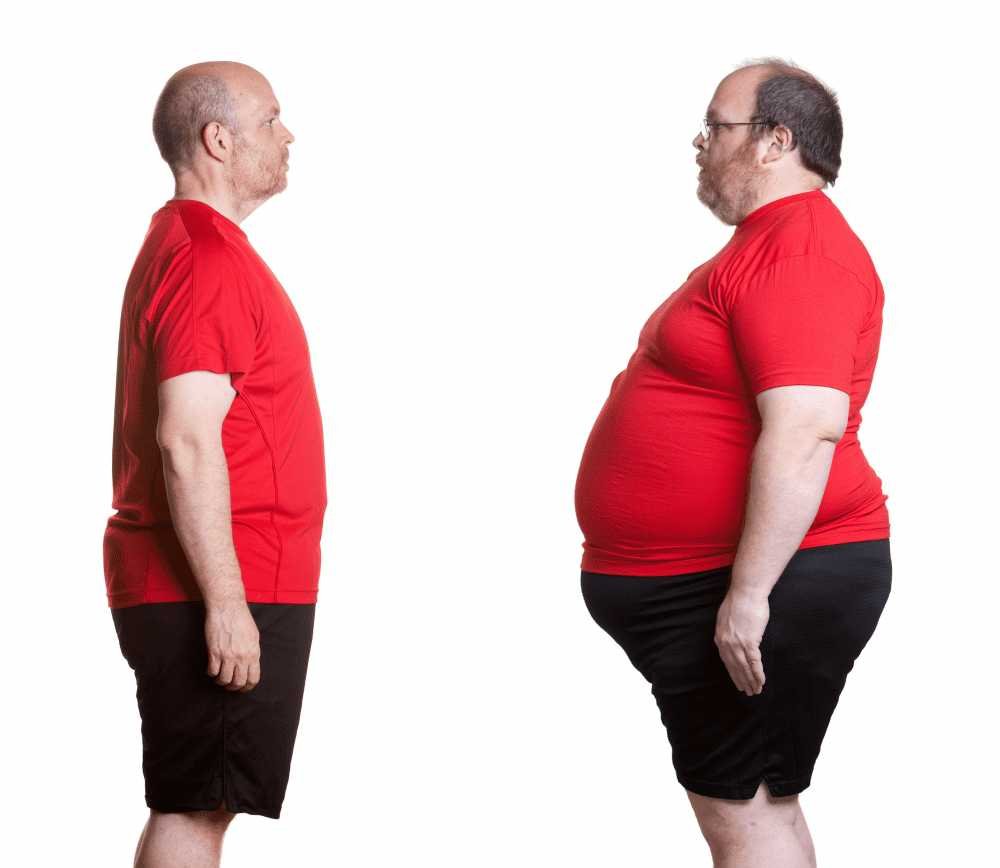
Losing weight can significantly reduce the discomfort caused by sciatica. Shedding excess pounds lessens pressure on your spine and sciatic nerve, which may alleviate pain and improve mobility. While weight loss isn’t a guaranteed fix, it often plays a crucial role in managing symptoms and promoting overall spinal health through healthier habits.
In short, losing weight can help ease sciatica symptoms by reducing pressure on the sciatic nerve and supporting better posture. Although it isn’t a cure-all, incorporating weight management into your treatment plan may lead to noticeable improvements and a better quality of life.
Sciatica can be a debilitating condition, leaving many people searching for effective relief. One factor that might surprise you is weight loss—shedding extra pounds can ease the strain on your lower back and hip area, where sciatic pain originates. When you’re carrying excess weight, your spine and surrounding structures endure more stress, which can worsen nerve compression and inflammation. By adopting a healthier weight, you’re not just improving your appearance—you’re actively reducing the pressure on your sciatic nerve and potentially reducing pain episodes. This approach, combined with other treatments like physical therapy or medication, can provide a comprehensive strategy for relief. So, if you’re battling sciatica and looking for ways to reduce discomfort, losing weight might just be a beneficial step forward.

Can Weight Loss Help Sciatica? Exploring the Connection
Many people ask if losing weight can reduce sciatica pain. The answer is often yes, but it depends on various factors. Weight loss can improve overall health and may lessen pressure on the lower back and sciatic nerve.
Understanding Sciatica and Its Causes
Sciatica is pain that travels along the sciatic nerve, which runs from your lower back down each leg. It often occurs when a herniated disc, bone spur, or spinal narrowing presses on this nerve.
This nerve compression causes inflammation, pain, and sometimes numbness or weakness. Many factors contribute to sciatica, including age, injury, and, importantly, body weight.
How Excess Weight Contributes to Sciatica
Extra weight puts more stress on your spine and pelvis. This added pressure can increase the chances of disc herniation or spinal narrowing.
Over time, carrying excess weight can weaken the muscles that support the back. Weak or strained muscles make the spine more vulnerable to nerve compression.
Pressure on the Spine
When you are overweight, the lumbar spine experiences increased load, especially when sitting or standing. This pressure can worsen existing sciatic nerve compression.
Reducing weight eases this load, reducing irritation of the sciatic nerve.
Impact on Disc Health
Obesity relates to faster disc degeneration, which can lead to herniated discs. These herniations are common causes of sciatic pain.
Losing weight helps maintain disc integrity, possibly preventing or lessening herniation-related sciatica.
Benefits of Weight Loss for Sciatica Symptoms
Shedding excess pounds can lead to many improvements in sciatic pain management. It reduces pressure, improves posture, and enhances muscle support.
Additionally, weight loss can boost overall mobility and decrease inflammation, which may help in easing nerve pain.
Reduction of Mechanical Stress
Fewer pounds mean less strain on the lower back and pelvis. This can translate to less nerve compression.
When pressure on the nerve decreases, symptoms like pain, tingling, and numbness often lessen.
Improved Posture and Spinal Alignment
Extra weight can cause poor posture or uneven spinal alignment. Losing weight helps the spine align properly.
This better alignment reduces the likelihood of nerve irritation and supports healthy movement.
Decreased Inflammation
Obesity is linked with chronic low-level inflammation in the body. This inflammation can amplify nerve pain and discomfort.
Weight loss decreases inflammatory markers, helping to reduce overall pain levels in the sciatic nerve area.
Effective Strategies for Losing Weight and Alleviating Sciatica
Combining targeted exercise, healthy eating, and lifestyle changes can make weight loss achievable and effective.
It is essential to approach weight loss gradually and safely, especially if you experience sciatic pain.
Adopt a Nutritious Diet
Focus on vegetables, fruits, lean proteins, whole grains, and healthy fats. Avoid processed foods, sugary snacks, and sodas that can promote inflammation.
Proper nutrition supports weight loss and reduces inflammation, both beneficial for sciatic health.
Incorporate Low-Impact Exercises
Activities like walking, swimming, and cycling are gentle on the joints and spine. These exercises help burn calories and strengthen core muscles.
Core strengthening supports the lower back, possibly reducing sciatic nerve pressure.
Practice Physical Therapy and Stretching
Specific stretches and physical therapy can improve flexibility and relieve nerve tension. Consult a healthcare provider before starting any new exercise routine.
Targeted stretching can include hamstring, piriformis, and lower back stretches, which often help reduce sciatic pain.
Maintain Consistency and Patience
Weight loss takes time, and managing sciatic pain can be a gradual process. Consistency in diet and exercise is key.
Tracking progress and setting realistic goals can help keep motivation high.
Additional Benefits of Weight Loss Beyond Sciatica Relief
Reducing weight can improve overall health, decrease risks for other chronic illnesses, and enhance quality of life.
This holistic approach not only alleviates sciatic pain but also promotes long-term wellness.
When to Seek Medical Advice
While weight loss can help, it might not fully resolve sciatic issues in some cases. Persistent or worsening symptoms require professional attention.
Consult your healthcare provider if pain intensifies or does not improve with lifestyle changes.
Summary of Key Points
- Excess weight increases pressure on the spine and sciatic nerve.
- Shedding pounds can reduce nerve pressure and inflammation.
- Healthy eating and gentle exercise support weight loss and sciatic relief.
- Posture and core strength are vital in managing sciatic symptoms.
- Long-term weight management promotes overall spinal health and reduces recurrence.
Ultimately, losing weight can play a significant role in managing and reducing sciatic nerve pain, especially when combined with other treatments and proper care. Focused efforts on healthy lifestyle choices can lead to less pain and a more active, comfortable life.
Will Losing Weight Help Your Back Pain (and Sciatica)?
Frequently Asked Questions
How does losing weight impact the pressure on the lower back and sciatic nerve?
Reducing body weight decreases the strain on the lower back and sciatic nerve. Excess weight adds pressure to the spine, disc areas, and surrounding tissues, which can aggravate sciatica symptoms. By shedding pounds, individuals can lessen this pressure, potentially alleviating pain and improving mobility.
Can weight loss improve posture and reduce nerve compression?
Yes, losing weight can positively affect posture by reducing the load on the spine and hips. Better posture helps prevent misalignment that could pinch or irritate the sciatic nerve. As a result, many people experience fewer episodes of nerve compression and relief from discomfort.
What role does physical activity play in conjunction with weight loss for sciatic relief?
Engaging in regular physical activity supports weight loss efforts and strengthens the muscles that support the lower back. Improved muscle support can help stabilize the spine, reduce pressure on the sciatic nerve, and contribute to long-term relief from symptoms. Combining movement with weight management offers a comprehensive approach to managing sciatica.
Are there any specific diets recommended for reducing sciatic pain through weight management?
A balanced diet rich in anti-inflammatory foods, such as fruits, vegetables, lean proteins, and omega-3 fatty acids, can support weight loss and reduce inflammation around nerves and joints. Maintaining a healthy weight through proper nutrition minimizes strain on the sciatic nerve and helps manage pain effectively.
How quickly might someone notice improvements in sciatica symptoms after losing weight?
Individual experiences vary, but some people notice relief within a few weeks of consistent weight loss and lifestyle changes. As body weight decreases, pressure on the nerve diminishes, leading to reduced pain and increased mobility. Patience and ongoing effort are key to seeing sustained improvements.
Final Thoughts
Weight loss can significantly reduce pressure on the sciatic nerve, easing symptoms of sciatica. Maintaining a healthy weight decreases strain on your lower back and hips, promoting better mobility.
By shedding excess pounds, you may experience improved pain levels and enhanced overall function.
Can weight loss help sciatica? Yes, it often alleviates symptoms and supports long-term recovery.
As an Amazon Associate, We earn from qualifying purchases. When you purchase a product through Amazon links on pulsefitguide.com, we may earn a small commission at no extra cost to you. This helps support the site and keep our content free.