

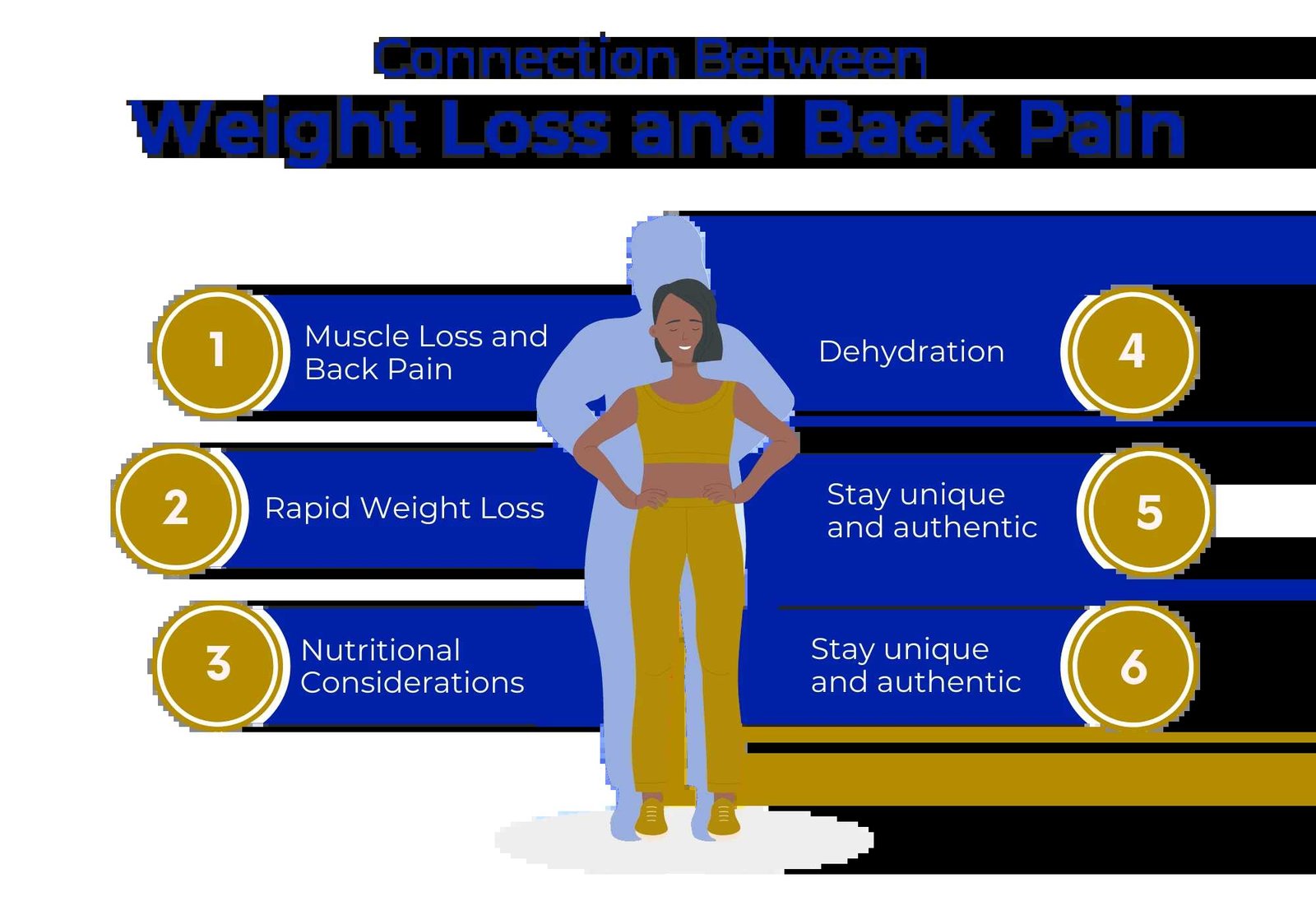
Yes, weight loss can sometimes cause back pain, especially if it’s rapid or involves significant changes in body composition. Shedding pounds quickly may lead to muscle imbalance, poor posture, or weakened core muscles, which can all contribute to discomfort in the back. Additionally, losing fat in certain areas might alter your body’s support system, putting extra strain on your spine and surrounding muscles.
In short, while losing weight generally benefits overall health, sudden or drastic reductions can trigger back pain due to muscular and structural adjustments. It’s important to approach weight loss gradually and carefully to minimize this risk.
When you’re trying to shed excess pounds, you might wonder if your back pain is connected. The truth is, weight loss impacts the body’s biomechanics in various ways. Rapid or unbalanced weight loss can weaken muscles that support your spine or cause shifts in posture, both of which can lead to discomfort or pain. It’s essential to lose weight thoughtfully through a balanced diet and regular exercise to support your back health. Knowing how your body adapts during weight loss can help prevent unnecessary pain and ensure you stay healthy and comfortable along the way.

Can Weight Loss Cause Back Pain? Exploring the Connection
Understanding the Relationship Between Weight Loss and Back Pain
Weight loss often brings many health benefits, such as improved mobility and lower risk of chronic diseases. However, some people experience back pain during or after losing weight. This can happen for various reasons, and understanding these reasons helps in managing discomfort effectively.
How Weight Loss Affects the Spine and Back Muscles
As you shed pounds, your body adjusts to new proportions, which can impact your spine and muscles. Rapid weight loss may strain your back because muscles and ligaments need time to adapt. Weakening of supporting muscles can also increase the risk of back pain.
Impact of Changing Body Composition
Losing fat from around your abdomen and hips changes your center of gravity. This shift can cause your back muscles to work harder to maintain balance, possibly leading to soreness. If you don’t strengthen your core muscles during weight loss, back discomfort might increase.
Role of Muscle Mass in Back Support
Preserving muscle mass is crucial for back health. Losing muscle along with fat can weaken your back and make it more vulnerable to pain. Ensuring a balanced diet and strength training helps maintain muscle support during weight loss.
Common Causes of Back Pain During Weight Loss
Back pain linked to weight loss can stem from several factors. Recognizing these causes helps in addressing the discomfort effectively.
Rapid or Extreme Weight Loss
Dropping a lot of weight quickly can cause muscle imbalance and strain. Rapid changes can also lead to dehydration and electrolyte imbalances, which might affect muscle function and cause cramping or pain.
Poor Posture and Technique
Improper exercise form or bad posture while performing daily activities can put extra stress on the back. This is especially common when starting new workouts or reducing weight suddenly.
Inadequate Support During Exercise
Using incorrect footwear or lacking proper support during physical activity can lead to back strain. Investing in good shoes and supportive equipment helps prevent back pain.
Specific Exercises and Movements That May Trigger Back Pain
Certain exercises designed to aid weight loss, such as crunches or deadlifts, can sometimes cause back discomfort if done improperly. It’s important to learn correct technique and avoid overexertion.
High-Impact Activities
Activities like running or jumping can intensify back pain if your muscles are weak or if you have pre-existing issues. Low-impact exercises like swimming or walking are gentler options.
Heavy Lifting and Straining
Lifting weights that are too heavy or improper lifting techniques can strain your lower back. Always use proper form and start with lighter weights.
Strategies to Prevent and Manage Back Pain During Weight Loss
Good practices can help minimize back pain risks and promote a healthier weight loss journey.
Gradual Weight Loss
Aim for slow and steady weight loss of about 1 to 2 pounds per week. This allows your body and muscles to adapt, reducing strain on your back.
Focus on Core Strengthening
Engage in exercises that strengthen your abdominal and back muscles. A strong core provides better support for your spine and reduces pain.
Maintain Proper Posture
Be mindful of your posture during daily activities, especially when sitting or lifting. Use ergonomic furniture and avoid slouching.
Stretch and Flexibility Exercises
Incorporate stretching routines to improve flexibility and prevent muscle tightness. Yoga and gentle stretches can also help alleviate existing discomfort.
Supportive Equipment and Footwear
Wear shoes with proper arch support and use braces or belts if recommended by a healthcare professional. Proper support decreases stress on your back.
When to Seek Medical Advice
While some back pain during weight loss is temporary, persistent or severe pain needs medical attention. Consult a healthcare provider if pain lasts longer than a few days, worsens, or is accompanied by numbness or weakness.
Additional Tips for a Safe and Healthy Weight Loss Journey
To keep your back healthy during weight loss:
- Combine diet with appropriate physical activity
- Stay hydrated and eat a balanced diet rich in vitamins and minerals
- Get adequate rest and sleep
- Listen to your body and avoid pushing through pain
Related Topics to Consider During Weight Loss
You might also want to explore topics like:
- How to improve posture during exercise
- The importance of nutrition in maintaining muscle mass
- Best low-impact exercises for back health
- Signs of back injury versus normal soreness
By understanding how weight loss impacts your back and adopting proper techniques, you can minimize discomfort and enjoy a healthier, more active lifestyle. Remember, gradual changes and listening to your body are key to avoiding back pain during your weight loss journey.
Will Losing Weight Help Your Back Pain (and Sciatica)?
Frequently Asked Questions
Can rapid weight loss lead to muscle weakness that affects the back?
Yes, losing weight quickly can cause muscle weakness if you do not consume enough nutrients or protein. Weakened muscles may not support your spine properly, leading to discomfort or back pain. Ensuring a balanced diet and gradual weight loss can help maintain muscle strength and reduce back pain risk.
Is there a connection between losing fat and changes in spinal alignment?
Weight loss, especially around the abdomen, can alter your body’s biomechanics and spinal load distribution. These changes might temporarily affect your posture or cause discomfort in the back as your body adjusts. Maintaining good posture and strengthening core muscles can help minimize these effects.
Can dieting or calorie restriction cause nutritional deficiencies that impact back health?
Yes, restrictive diets can lead to deficiencies in essential nutrients such as calcium, vitamin D, and magnesium, which are vital for bone health. A lack of these nutrients can weaken bones and increase the likelihood of back pain or injuries. Incorporating a variety of nutrient-rich foods and consulting a healthcare professional can prevent deficiencies.
Does engaging in weight loss activities influence existing back conditions?
Physical activities aimed at weight loss, like aerobic exercises, can sometimes aggravate pre-existing back issues if not performed correctly. It’s important to choose the right exercises, start gradually, and seek guidance from a professional to avoid worsening back pain and to promote recovery.
How does weight reduction impact the load on the lower back?
Reducing body weight decreases the pressure and stress on the lower back and spinal discs. This reduction can relieve pain and improve mobility, especially for individuals with obesity-related back problems. Maintaining a healthy weight supports better back health over time.
Final Thoughts
Weight loss can sometimes lead to back pain due to rapid changes in body composition and muscle shifts. When weight decreases quickly, muscles and ligaments may strain as they adjust. Poor posture during weight loss efforts can also contribute to discomfort.
However, gradual weight loss combined with proper exercise can reduce this risk. Staying attentive to posture and strengthening core muscles supports better back health during your journey.
In conclusion, can weight loss cause back pain? Yes, it can, especially if done hastily or without proper care. Being mindful of these factors helps minimize discomfort and promotes overall well-being.
As an Amazon Associate, We earn from qualifying purchases. When you purchase a product through Amazon links on pulsefitguide.com, we may earn a small commission at no extra cost to you. This helps support the site and keep our content free.