
Yes, the keto diet shows promise in helping to manage and potentially reverse fatty liver disease by reducing fat accumulation in the liver, improving insulin sensitivity, and promoting weight loss. This guide breaks down how it works and how to approach it safely.
Are you feeling confused about your health, especially concerning fatty liver? It’s a common issue, and understanding how to tackle it can feel overwhelming. You’re not alone in wondering if certain diets, like the popular keto diet, could be a part of the solution.
The good news is, you’ve come to the right place. We’re going to explore the connection between the keto diet and fatty liver in a way that’s easy to understand. Think of me as your friendly guide, breaking down the science and giving you practical steps.
We’ll cover what fatty liver is, how the keto diet works, and the potential benefits for your liver. Ready to learn how to take control of your health step by step?
What is Fatty Liver Disease?

Fatty liver disease, also known as hepatic steatosis, happens when there’s too much fat built up in your liver. Your liver is a super important organ that helps your body process food, detoxify, and store energy. A small amount of fat is normal, but when it starts to take over, it can cause problems.
There are two main types: alcoholic fatty liver disease (AFLD), caused by heavy alcohol use, and non-alcoholic fatty liver disease (NAFLD). NAFLD is much more common and is often linked to lifestyle factors like diet, weight, and overall health.
NAFLD can range from simple fatty liver, which usually doesn’t cause significant damage, to non-alcoholic steatohepatitis (NASH), where there’s inflammation and liver cell damage. NASH can potentially lead to more serious conditions like cirrhosis (scarring of the liver) or liver cancer over time.
Why is Fatty Liver a Growing Concern?
NAFLD has become a major public health issue worldwide. Its prevalence is rising, largely due to increases in obesity, type 2 diabetes, and metabolic syndrome. These conditions often go hand-in-hand with NAFLD.
Many people with NAFLD don’t have obvious symptoms, which can make it hard to detect early. Often, it’s discovered incidentally during tests for other conditions. This silent nature makes it crucial to understand the risk factors and potential ways to manage it.
The good news is that NAFLD is often reversible, especially in its earlier stages. Lifestyle changes, including diet and exercise, are the cornerstone of management. This is where exploring dietary approaches like the keto diet comes in.
Understanding the Keto Diet
The ketogenic diet, or keto diet, is a very low-carbohydrate, high-fat eating plan. The main goal is to shift your body’s primary energy source from carbohydrates (glucose) to fats. When you drastically cut carbs, your body enters a metabolic state called ketosis.
In ketosis, your liver starts to break down stored fat into molecules called ketones. These ketones then become the main fuel source for your body, including your brain. It’s a significant change from how most people typically eat.
How Does Ketosis Work?
Normally, when you eat carbohydrates, your body breaks them down into glucose, which is then used for energy or stored. When carbohydrate intake is very low (typically under 50 grams per day), your body’s glucose stores get depleted. This signals your liver to start producing ketones from fat.
Think of it like switching your car’s fuel from gasoline to a special high-performance alternative. Your body becomes very efficient at burning fat for energy, both from the food you eat and the fat already stored in your body.
This metabolic shift has several effects that are relevant to fatty liver. It can lead to reduced inflammation, improved blood sugar control, and often significant weight loss.
What You Can Eat on Keto
The keto diet focuses on foods rich in healthy fats, moderate protein, and very low carbohydrates. Here’s a general idea:
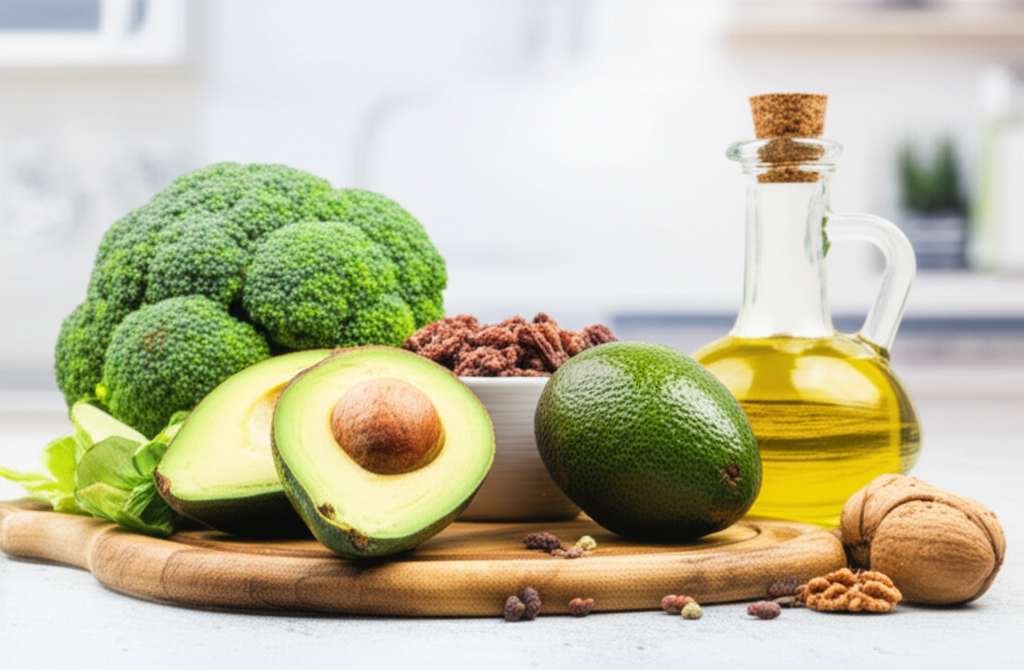
- Healthy Fats: Avocado, olive oil, coconut oil, nuts, seeds, fatty fish (salmon, mackerel), butter, ghee.
- Protein: Meat, poultry, eggs, fish, some dairy.
- Low-Carb Vegetables: Leafy greens (spinach, kale), broccoli, cauliflower, zucchini, bell peppers, asparagus.
- Dairy (full-fat): Cheese, heavy cream, unsweetened yogurt.
What to Avoid on Keto
The key is to avoid high-carbohydrate foods. This includes:
- Sugary Foods and Drinks: Soda, juice, candy, cakes, ice cream.
- Grains and Starches: Bread, pasta, rice, cereal, potatoes, corn.
- Most Fruits: Except for small portions of berries like blueberries or raspberries.
- Beans and Legumes: Lentils, chickpeas, black beans.
- Root Vegetables: Carrots, parsnips (in larger amounts).
Can Keto Diet Help Fatty Liver? The Science Behind It
Now, let’s get to the heart of the matter: how can the keto diet specifically help with fatty liver? Research suggests several key mechanisms are at play.
The primary driver is its effect on fat accumulation in the liver. By reducing the amount of glucose available, the body is encouraged to burn fat, which can lead to a decrease in the fat stored in liver cells.
Furthermore, the keto diet often leads to significant weight loss, especially in individuals who are overweight or obese, which are major risk factors for NAFLD. Losing even a modest amount of weight can dramatically improve liver health.
Mechanism 1: Reducing Liver Fat
When you consume fewer carbohydrates, your body produces less insulin. Insulin is a hormone that signals your body to store fat. Lower insulin levels can help reduce the rate at which your liver produces and stores fat.
Studies have shown that a ketogenic diet can directly reduce the amount of fat in the liver. For example, a study published in the Journal of Hepatology found that a low-carbohydrate diet significantly reduced liver fat content in individuals with NAFLD.
This reduction in fat can help prevent the progression of NAFLD to more severe forms like NASH. It’s like clearing out the clutter in your liver so it can function better.
Mechanism 2: Improving Insulin Sensitivity
Insulin resistance is a hallmark of NAFLD and is often linked to excess body weight and high carbohydrate intake. When your cells become resistant to insulin, your pancreas has to produce more insulin to manage blood sugar. This excess insulin can contribute to fat storage in the liver.
The keto diet, by drastically lowering carbohydrate intake, can significantly improve insulin sensitivity. When your body becomes more sensitive to insulin, it needs less of it, which in turn reduces fat storage and can help normalize blood sugar levels.
Improved insulin sensitivity means your body can use glucose more effectively, and this can have a cascading positive effect on liver health. Organizations like the National Institute of Diabetes and Digestive and Kidney Diseases (NIDDK) highlight the importance of managing metabolic health for NAFLD.
Mechanism 3: Promoting Weight Loss
Weight loss is one of the most effective strategies for managing and even reversing NAFLD. Excess body fat, particularly visceral fat (fat around the organs), is strongly associated with increased liver fat and inflammation.
The keto diet is often very effective for weight loss. By increasing satiety (feeling full) from fats and protein, and by reducing cravings for sugary, high-carbohydrate foods, people often find it easier to consume fewer calories overall.
When you lose weight, especially around your midsection, you’re likely reducing the amount of fat in your liver. This is a crucial factor in improving liver function and health. Losing as little as 5-10% of your body weight can make a significant difference.
Mechanism 4: Reducing Inflammation
Inflammation in the liver (as seen in NASH) can accelerate damage. While the exact mechanisms are still being studied, some research suggests that the ketogenic diet may have anti-inflammatory effects.
By reducing inflammation, the keto diet could help protect liver cells from damage and prevent the progression of NAFLD. Lowering carbohydrate intake can also reduce the production of certain inflammatory markers in the body.
Evidence and Studies on Keto and Fatty Liver
The scientific community is increasingly exploring the benefits of low-carbohydrate diets for NAFLD. While more large-scale, long-term studies are always beneficial, existing research is promising.
One notable study published in the journal Gastroenterology found that a very low-carbohydrate diet led to significant reductions in liver fat, inflammation, and fibrosis in patients with NAFLD.
These studies often compare low-carb diets to low-fat diets or standard care, and consistently show favorable results for the low-carb approach in terms of liver fat reduction and metabolic markers.
It’s important to remember that individual responses can vary. Factors like genetics, the severity of NAFLD, and adherence to the diet all play a role.
Potential Benefits of Keto for Fatty Liver
Beyond the direct mechanisms, adopting a keto diet can bring about several positive changes that contribute to better liver health:
- Reduced Blood Sugar Levels: Especially beneficial for those with diabetes or pre-diabetes, common co-morbidities with NAFLD.
- Improved Cholesterol Profile: While it sounds counterintuitive, for some, keto can improve HDL (“good”) cholesterol and lower triglycerides.
- Increased Energy Levels: Once adapted, many people report feeling more energetic.
- Better Appetite Control: The satiating effect of fats and protein can help manage cravings and hunger.
Potential Downsides and Considerations
While the keto diet can be beneficial, it’s not without its challenges and potential downsides. It’s crucial to be aware of these before starting.
The “Keto Flu”: In the first few days or weeks, you might experience symptoms like headache, fatigue, nausea, and irritability as your body adjusts to using fat for fuel. Staying hydrated and ensuring adequate electrolyte intake can help.
Nutrient Deficiencies: If not carefully planned, cutting out entire food groups like fruits and whole grains can lead to a lack of fiber, vitamins, and minerals. It’s essential to focus on nutrient-dense, low-carb options.
Digestive Issues: Some people experience constipation due to reduced fiber intake. Increasing water and fiber from low-carb vegetables can help.
Sustainability: For some, the restrictive nature of the keto diet can be difficult to maintain long-term. Finding a way to eat that you can stick with is key for lasting results.
Individual Response: Not everyone responds the same way. Some people may not see significant benefits, or may experience adverse effects.
Who Should Be Cautious or Avoid Keto?
The keto diet is not for everyone. Certain individuals should exercise extreme caution or avoid it altogether, especially without medical supervision:
- Pregnant or Breastfeeding Women: Nutritional needs are higher during these periods.
- Individuals with Certain Medical Conditions: Such as pancreatitis, liver failure, kidney disease, or certain metabolic disorders.
- People with a History of Eating Disorders: The restrictive nature can be triggering.
- Those on Certain Medications: Especially for diabetes or blood pressure, as dosages may need adjustment.
It is always recommended to consult with a healthcare provider or a registered dietitian before starting any new diet, especially one as significant as the ketogenic diet, to ensure it’s safe and appropriate for your individual health needs.
How to Safely Incorporate Keto for Fatty Liver
If you and your doctor decide that the keto diet is a good option for you, here’s a step-by-step approach to do it safely and effectively:
Step 1: Consult Your Doctor
This is the most important first step. Discuss your interest in the keto diet with your doctor, especially if you have fatty liver disease or any other health conditions. They can assess your suitability, monitor your progress, and ensure it doesn’t interfere with any existing treatments.
Your doctor can order tests to establish a baseline for your liver enzymes, blood sugar, and cholesterol levels. This will help track the impact of the diet over time.
Step 2: Plan Your Meals Carefully
Success on keto, especially for health goals like managing fatty liver, relies on careful planning. Focus on whole, unprocessed foods:
- Base meals around: Lean proteins (chicken, fish, eggs), healthy fats (avocado, olive oil, nuts), and non-starchy vegetables (leafy greens, broccoli, cauliflower).
- Read labels: Be vigilant about hidden carbs in sauces, dressings, and processed foods.
- Stay hydrated: Drink plenty of water.
A sample day might look like this:
Breakfast: Scrambled eggs with spinach and avocado.
Lunch: Large salad with grilled chicken, olive oil dressing, and mixed greens.
Dinner: Baked salmon with roasted asparagus and butter.
Snacks (if needed): A handful of almonds, a few olives, or some cheese.
Step 3: Monitor Your Progress
Keep track of how you feel and any physical changes. Pay attention to:
- Energy levels: Do you feel more or less energetic?
- Appetite: Are you feeling more satisfied?
- Digestive health: Any changes in bowel movements?
- Weight: Regular weigh-ins can be motivating.
Regular check-ins with your doctor are crucial. They will likely re-test your liver enzymes, blood sugar, and lipid panel to see the diet’s impact. Aim for at least one follow-up within 3-6 months.
Step 4: Listen to Your Body and Adjust
The keto diet is a significant change. If you experience persistent negative symptoms like extreme fatigue, nausea, or digestive upset that doesn’t improve, it might not be the right approach for you, or you may need to adjust your macronutrient ratios.
Some people find a more moderate low-carbohydrate approach (e.g., 50-100g of carbs per day) is more sustainable and still yields benefits for fatty liver. Flexibility is key to long-term success.
Step 5: Combine with Other Healthy Habits
While diet is powerful, it’s most effective when combined with other healthy lifestyle choices:
- Regular Exercise: Aim for a mix of aerobic exercise and strength training. Physical activity improves insulin sensitivity and aids weight loss.
- Adequate Sleep: Poor sleep can negatively impact metabolism and liver health.
- Stress Management: Chronic stress can also affect your health.
These habits work together to create a powerful synergy for improving your overall health and supporting your liver.
Keto-Friendly Foods for Liver Health
Focusing on nutrient-dense, anti-inflammatory foods within the keto framework can further support liver health. Here are some excellent choices:
Foods to Emphasize:
- Fatty Fish: Salmon, mackerel, sardines are rich in omega-3 fatty acids, which can help reduce inflammation and liver fat.
- Olive Oil: Extra virgin olive oil is a staple, providing healthy monounsaturated fats and antioxidants.
- Avocado: Packed with healthy fats, fiber, and antioxidants.
- Nuts and Seeds: Almonds, walnuts, chia seeds, flaxseeds offer healthy fats, fiber, and magnesium.
- Leafy Greens: Spinach, kale, arugula are low in carbs and high in vitamins, minerals, and antioxidants.
- Cruciferous Vegetables: Broccoli, cauliflower, Brussels sprouts provide fiber and beneficial compounds.
- Berries: In moderation, blueberries, raspberries, and strawberries are lower in sugar and high in antioxidants.
- Eggs: A complete protein source and rich in choline, important for liver function.
Foods to Limit or Avoid:
This is where you focus on drastically reducing carbohydrates:
- Sugars: All forms, including honey, maple syrup, agave.
- Grains: Wheat, rice, corn, oats, barley.
- Starchy Vegetables: Potatoes, sweet potatoes, peas, corn.
- Most Fruits: Bananas, apples, oranges, grapes (berries are an exception in small amounts).
- Processed Foods: Packaged snacks, sugary cereals, fast food.
- Sugary Drinks: Soda, fruit juices, sweetened teas and coffees.
Creating a meal plan that emphasizes these beneficial foods can make the keto diet a powerful tool for liver support.
Comparison: Keto vs. Other Diets for Fatty Liver
It’s helpful to see how keto stacks up against other dietary approaches often recommended for fatty liver.
Keto vs. Low-Fat Diets
Historically, low-fat diets were the standard recommendation for weight loss and metabolic health. However, research has shown that for NAFLD, low-carbohydrate diets like keto can be more effective at reducing liver fat and improving insulin sensitivity.
The key difference is the focus. Low-fat diets restrict fat intake, often leading to higher carbohydrate consumption. Keto restricts carbohydrates, allowing for higher fat intake. For NAFLD, reducing carbohydrates appears to have a more direct impact on liver fat reduction and insulin resistance.
Keto vs. Mediterranean Diet
The Mediterranean diet is widely praised for its health benefits, including heart health and its potential to help with NAFLD. It emphasizes fruits, vegetables, whole grains, legumes, nuts, seeds, olive oil, and moderate amounts of fish and poultry.
The Mediterranean diet is generally well-balanced and sustainable. It can improve insulin sensitivity and reduce inflammation. However, for individuals with significant insulin resistance or severe NAFLD, the more restrictive carbohydrate reduction of the keto diet might offer faster or more pronounced results in terms of liver fat reduction.
Many experts suggest that a modified Mediterranean diet that is lower in carbohydrates can be very effective. The choice often comes down to individual response, sustainability, and specific health goals.
Keto vs. Weight Watchers or Calorie Counting
General calorie-restricted diets (like those focused on Weight Watchers points or simply counting calories) can lead to weight loss, which is beneficial for NAFLD. However, they don’t specifically target the metabolic drivers of NAFLD as directly as a ketogenic diet.
The keto diet’s emphasis on reducing carbohydrates can directly improve insulin resistance and reduce liver fat synthesis, beyond just calorie reduction. For some, keto also helps with appetite control, making calorie restriction feel easier.
The table below summarizes some key differences:
| Diet Type | Primary Focus | Carbohydrate Intake | Fat Intake | Potential for NAFLD Improvement |
|---|---|---|---|---|
| Ketogenic Diet | Induce Ketosis (fat burning) | Very Low (<50g/day) | High | High (strong evidence for liver fat reduction, insulin sensitivity) |
| Mediterranean Diet | Whole foods, healthy fats, lean proteins | Moderate | Moderate to High (focus on unsaturated fats) | Good (especially modified versions, general metabolic health) |
| Low-Fat Diet | Reduce total fat intake | Moderate to High | Low | Moderate (weight loss is key, but may not target liver fat as directly) |
| Calorie Restriction | Create a calorie deficit | Variable | Variable | Moderate (effective through weight loss, but less specific metabolic impact) |
Frequently Asked Questions (FAQ)
Q1: How quickly can I expect to see results on the keto diet for fatty liver?
Results vary greatly. Some people notice improvements in energy and reduced cravings within a week or two. Significant changes in liver fat and markers like liver enzymes usually take longer, often 3-6 months of consistent adherence and with medical monitoring.
Q2: Do I need to count macros (carbs, protein, fat) strictly on keto?
Initially, yes, especially if you’re new to keto and aiming for ketosis. Tracking your intake helps you understand portion sizes and identify hidden carbs. As you become more experienced, you might be able to eyeball it, but strict tracking is recommended for therapeutic goals like managing fatty liver.
Q3: Is it safe to do the keto diet long-term?
The long-term safety and efficacy of the keto diet are still subjects of ongoing research. For managing specific conditions like NAFLD, it’s often used as a therapeutic tool under medical supervision. It’s essential to ensure you’re getting all necessary nutrients and to have regular check-ups. Some people transition to a less restrictive low-carb diet after achieving initial results.
Q4: What are the signs that keto is not working for me?
If you experience persistent fatigue, significant digestive issues (like chronic constipation or diarrhea), mood changes, or if your medical tests (liver enzymes, blood sugar) don’t improve or worsen despite following the diet, it might not be suitable for you. Always discuss these concerns with your doctor.
Q5: Can I reverse fatty liver completely with the keto diet?
In many cases, NAFLD can be significantly improved or even reversed, especially in its earlier stages, through lifestyle changes like diet and exercise. The keto diet, by effectively reducing liver fat and improving metabolic health, shows strong potential for reversal. However, the extent of reversal depends on the severity of the disease and individual response.
Q6: What are some easy keto snacks for fatty liver?
Good options include a small handful of almonds or walnuts, olives, cheese sticks, hard-boiled eggs, avocado slices with salt, or celery sticks with cream cheese. These are low in carbs and provide healthy fats.
Conclusion
Navigating health concerns like fatty liver can feel like a puzzle, but understanding your options empowers you. The ketogenic diet presents a compelling, science-backed approach that shows significant promise in helping to manage and potentially reverse fatty liver disease.
By shifting your body’s fuel source, improving insulin sensitivity, and promoting weight loss, keto can directly address key factors contributing to fat buildup in the liver. Remember, though, that this isn’t a magic bullet. Success hinges on careful planning, nutrient-dense food choices, and, most importantly, consulting with your healthcare provider to ensure it’s the right path for you.
Embracing a keto diet, alongside other healthy habits like regular exercise and adequate sleep, can be a powerful strategy for improving your liver health and overall well-being. You’ve got this!
As an Amazon Associate, We earn from qualifying purchases. When you purchase a product through Amazon links on pulsefitguide.com, we may earn a small commission at no extra cost to you. This helps support the site and keep our content free.