
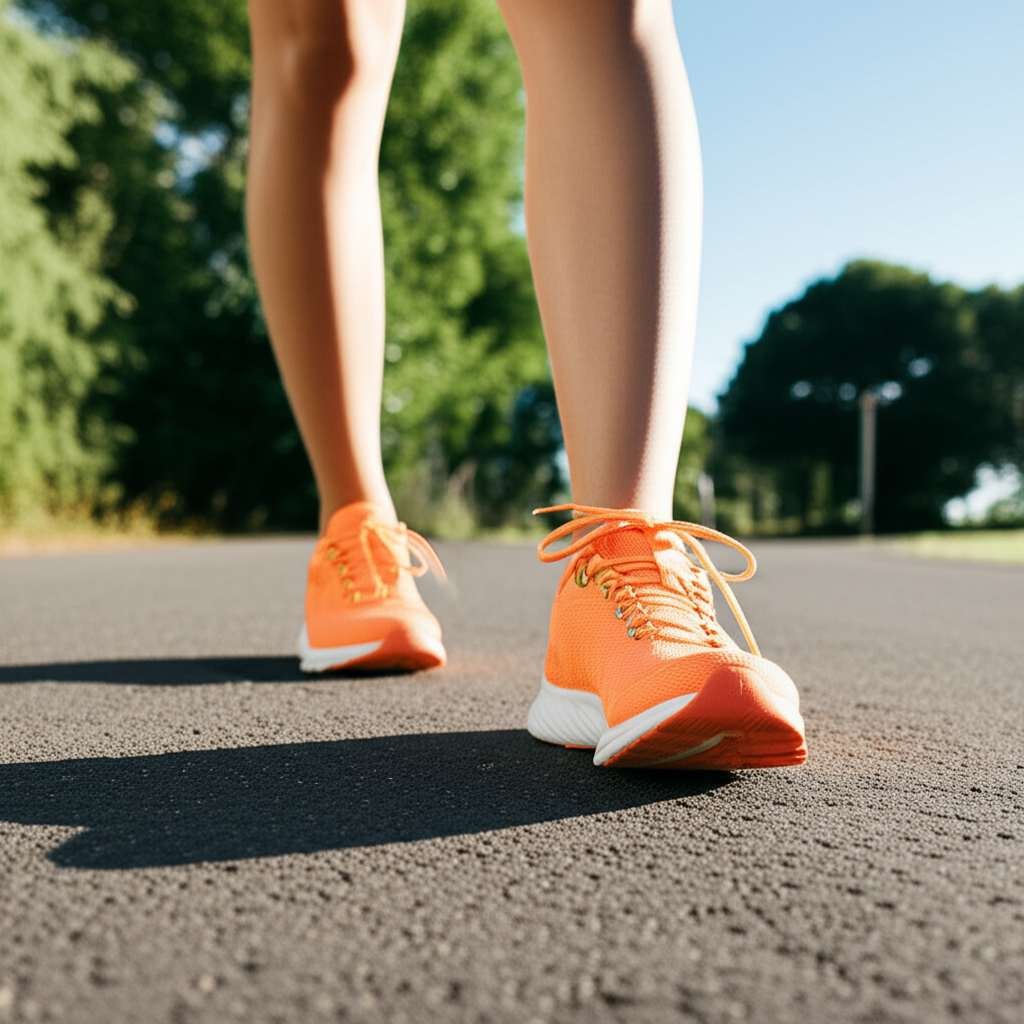
Yes, you absolutely can lose body fat with walking! It’s a highly effective, accessible, and sustainable way to burn calories, improve your metabolism, and shed unwanted fat when combined with a balanced diet. This guide breaks down how to make walking work for you.
Feeling a bit confused about weight loss? You’re not alone! Many people find it hard to figure out where to start, especially with all the different advice out there.
The good news is that losing body fat doesn’t have to be complicated or require extreme measures. Simple, consistent steps can lead to big changes.
We’re going to explore how a simple activity like walking can be a powerful tool for fat loss. Get ready to learn how to make every step count!
Can I Lose Body Fat With Walking? Essential Guide
So, you’re wondering if a daily stroll can actually help you trim down. The short answer is a resounding yes! Walking is a fantastic form of exercise that burns calories, boosts your metabolism, and can be a cornerstone of your body fat loss journey. It’s one of the most accessible and beginner-friendly ways to get active, and with the right approach, it can yield impressive results.
Think of walking as a powerful, yet gentle, tool in your health and fitness arsenal. It requires no special equipment, can be done almost anywhere, and is easy on your joints, making it ideal for people of all fitness levels. But how exactly does it work, and what’s the best way to maximize its fat-burning potential?
In this guide, we’ll break down the science in simple terms and provide actionable steps to help you effectively lose body fat by incorporating walking into your routine. We’ll cover everything from the calorie-burning mechanics to creating a walking plan that fits your life.
The Science Behind Walking and Fat Loss
Losing body fat is all about creating a calorie deficit. This means burning more calories than you consume. Walking is a fantastic way to increase the number of calories you burn each day.
When you walk, your body uses energy, and that energy comes from the calories you’ve eaten. The longer and more vigorously you walk, the more calories you burn. Over time, this consistent calorie expenditure helps reduce your overall body fat.
Walking also has a positive impact on your metabolism. A faster metabolism means your body burns more calories even when you’re at rest. Regular walking can help boost this resting metabolic rate, making it easier to lose and maintain a healthy weight.
How Many Calories Does Walking Burn?
The number of calories you burn while walking depends on a few factors:
- Your Weight: A heavier person will burn more calories than a lighter person doing the same walk because they require more energy to move their body.
- Walking Speed: The faster you walk, the more intense the exercise, and the more calories you’ll burn.
- Duration: The longer you walk, the more calories you’ll expend.
- Terrain: Walking uphill or on uneven surfaces burns more calories than walking on a flat, smooth surface.
As a general guideline, a person weighing around 155 pounds can expect to burn approximately 100 calories for every mile walked at a moderate pace (about 3 miles per hour).
For a more personalized estimate, you can use online calculators or fitness trackers. The Centers for Disease Control and Prevention (CDC) provides excellent resources on physical activity and calorie expenditure.
Here’s a simplified table showing approximate calorie burn for a 155-pound individual:
| Activity | Calories Burned (per 30 minutes) |
|---|---|
| Walking (3 mph, moderate pace) | ~140-160 calories |
| Walking (4 mph, brisk pace) | ~180-200 calories |
| Walking uphill (moderate pace) | ~200-250 calories |
Remember, these are estimates. The key is consistency and gradually increasing your intensity and duration.
Walking’s Impact on Body Composition
While walking is primarily an aerobic exercise, it also contributes to building lean muscle mass, especially if you incorporate inclines or increase your pace. Muscle tissue is metabolically active, meaning it burns calories even at rest. The more muscle you have, the higher your resting metabolism.
By building even a small amount of muscle, you enhance your body’s ability to burn fat over the long term. So, walking isn’t just about burning calories in the moment; it’s about improving your body’s overall fat-burning engine.
How to Start Walking for Fat Loss: A Step-by-Step Guide

Ready to lace up your shoes? Here’s how to begin your walking journey for fat loss effectively and safely.
Step 1: Assess Your Current Fitness Level
Before you start, it’s important to know where you’re coming from. If you’ve been inactive, start slowly. A 15-20 minute walk a few times a week is a great starting point.
If you’re already somewhat active, you might start with longer durations or more frequent walks. Listen to your body – it will tell you what feels right.
Step 2: Set Realistic Goals
Instead of aiming for drastic weight loss, set achievable goals. For example:
- Walk for 30 minutes, 3 times this week.
- Increase your daily step count by 1,000 steps.
- Walk for 15 minutes during your lunch break.
Achieving these smaller goals will build your confidence and motivation.
Step 3: Choose Your Gear
You don’t need fancy athletic wear to start. The most important item is a comfortable pair of walking shoes. They should provide good support and cushioning to prevent injuries.
Wear comfortable clothing that allows for easy movement. Layers are great if the weather changes.
Step 4: Plan Your Walks
Consistency is key. Try to schedule your walks like any other important appointment. Find times that work best for you, whether it’s first thing in the morning, during your lunch break, or in the evening.
Consider where you’ll walk. Parks, quiet streets, or even a treadmill are all good options. Variety can keep things interesting!
Step 5: Start Walking!
Begin at a comfortable pace. Focus on maintaining good posture: head up, shoulders back, and arms swinging naturally.
Don’t worry too much about speed at first. The goal is to build the habit and get your body moving.
Step 6: Gradually Increase Intensity and Duration
As you get fitter, you can gradually challenge yourself. Here’s how:
- Increase Duration: Add 5-10 minutes to your walks each week.
- Increase Frequency: Add an extra walking day per week.
- Increase Speed: Gradually pick up your pace. Aim for a brisk walk where you can talk but not sing.
- Incorporate Hills: Find routes with inclines or use stairs to add intensity.
A good target for fat loss is to aim for at least 150 minutes of moderate-intensity aerobic activity per week, which walking can easily help you achieve. This aligns with recommendations from health organizations like the World Health Organization (WHO).
Step 7: Listen to Your Body
Rest days are important for recovery. If you feel pain, stop and rest. Don’t push yourself too hard, especially when you’re starting out.
Proper hydration is also crucial. Drink water before, during, and after your walks.
Maximizing Fat Burning Through Walking
Walking is great, but you can make it even more effective for fat loss with a few smart strategies.
1. Brisk Walking is Key
While any walking burns calories, brisk walking offers more benefits. A brisk pace means walking fast enough that your heart rate increases and you’re breathing harder, but you can still hold a conversation. This intensity is ideal for burning more calories in less time and improving cardiovascular health.
2. Incorporate Intervals
Interval training can supercharge your fat burn. This involves alternating between periods of higher intensity and lower intensity walking.
For example:
- Walk at a moderate pace for 3 minutes.
- Increase to a brisk or power-walking pace for 1 minute.
- Repeat this cycle for your desired walk duration.
Intervals can also be done with hills. Walk briskly up an incline for a minute, then recover by walking at an easier pace down or on a flat surface.
3. Walk More Frequently
Spreading your walking throughout the week is often more effective than one long walk. Aim for shorter, more frequent walks if that fits your schedule better. Even 10-15 minute walks can add up significantly in terms of calorie expenditure and metabolic benefits.
4. Walk in the Morning (Optional but Beneficial)
Some studies suggest that walking in a fasted state, like first thing in the morning before eating, may help your body tap into fat stores for energy. While research is ongoing, many people find this helpful. However, always ensure you feel energized enough to perform the walk safely.
5. Make it a Habit: Beyond Just the Walk
The benefits of walking extend beyond the time you spend on your feet. Regular walking can help reduce stress, improve sleep, and increase overall energy levels, all of which support a healthy lifestyle conducive to fat loss.
The Crucial Role of Diet in Walking for Fat Loss
It’s essential to understand that while walking burns calories, you cannot out-walk a poor diet. Nutrition plays a massive role in body fat loss.
To lose body fat, you need to maintain a calorie deficit. If you walk and then compensate by eating more calories than you burned, you won’t see the desired results.
Focus on Whole Foods
Build your diet around nutrient-dense whole foods:
- Lean Proteins: Chicken breast, fish, beans, lentils, tofu.
- Fruits and Vegetables: A wide variety for vitamins, minerals, and fiber.
- Whole Grains: Oats, brown rice, quinoa, whole wheat bread.
- Healthy Fats: Avocados, nuts, seeds, olive oil.
These foods are filling, provide essential nutrients, and help keep your calorie intake in check.
Portion Control
Even healthy foods have calories. Be mindful of your portion sizes to ensure you’re not overconsuming, even with nutritious options.
Hydration is Key
Drinking plenty of water can aid in fat loss by helping you feel full, boosting your metabolism, and supporting overall bodily functions. Aim for at least 8 glasses of water a day, and more if you’re exercising.
When to Eat Around Your Walks
There’s no single “perfect” time to eat. Some people prefer walking on an empty stomach, while others need a small snack for energy. Experiment to see what works best for you.
If you walk for a longer duration or at a higher intensity, consider having a light, easily digestible snack (like a banana or a small handful of almonds) about 30-60 minutes before your walk for fuel. After your walk, a meal or snack containing protein and carbohydrates can help with muscle recovery.
How Much Walking is Enough to See Results?
The amount of walking needed to see results varies from person to person. Factors like your starting weight, metabolism, diet, and consistency all play a role.
However, aiming for consistency and gradual progression is key. Here are some general benchmarks:
- Beginner: Start with 20-30 minutes of walking, 3-4 times per week.
- Intermediate: Aim for 30-45 minutes, 4-5 times per week, incorporating some brisk paces or inclines.
- Advanced: 45-60 minutes, 5-6 times per week, with varied intensity and terrain.
In terms of steps, many health experts suggest aiming for 10,000 steps per day. This can significantly contribute to your daily calorie expenditure. You can track your steps with a simple pedometer or a smartphone app.
It typically takes a calorie deficit of about 3,500 calories to lose one pound of fat. If your walking routine helps you create a deficit of 300-500 calories per day (through a combination of walking and diet), you could potentially lose 0.5 to 1 pound per week, which is considered a healthy and sustainable rate of weight loss.
Remember, progress isn’t always linear. Some weeks you might see more changes than others. The most important thing is to stay consistent with your walking and healthy eating habits.
Overcoming Common Walking Challenges
Even the simplest activities can come with hurdles. Here are some common challenges and how to overcome them:
Challenge: Lack of Motivation
Solution:
- Find a walking buddy.
- Listen to podcasts or music.
- Explore new routes.
- Set small, achievable goals and celebrate milestones.
- Remind yourself of your “why” – your health and fitness goals.
Challenge: Time Constraints
Solution:
- Break up your walks into shorter, more frequent sessions (e.g., 10 minutes after breakfast, 10 minutes at lunch, 10 minutes after dinner).
- Wake up 20-30 minutes earlier.
- Walk during your commute if possible.
- Use your lunch break effectively.
Challenge: Bad Weather
Solution:
- Invest in weather-appropriate gear (rain jacket, hat, layers).
- Find indoor walking options like malls or indoor tracks.
- Use a treadmill at home or at a gym.
- Do bodyweight exercises or other indoor activities on bad weather days.
Challenge: Boredom
Solution:
- Vary your routes and explore new neighborhoods or trails.
- Incorporate hills or stairs into your walk.
- Listen to audiobooks or new music playlists.
- Join a walking group or challenge.
- Focus on mindful walking, noticing your surroundings.
Challenge: Soreness or Discomfort
Solution:
- Ensure you have proper footwear.
- Start slowly and gradually increase intensity.
- Incorporate warm-up and cool-down stretches.
- Stay hydrated.
- If pain persists, consult a doctor or physical therapist.
Frequently Asked Questions About Walking and Fat Loss
Q1: How long do I need to walk each day to lose body fat?
Aim for at least 30 minutes of brisk walking most days of the week. For significant fat loss, you might need to increase duration, intensity, or frequency, combined with a healthy diet.
Q2: Can walking alone help me lose weight?
Walking is excellent for burning calories and improving health, but for substantial body fat loss, it’s most effective when combined with a balanced, calorie-controlled diet.
Q3: What is the best time of day to walk for fat loss?
The “best” time is when you can be consistent. Some people find walking in the morning before eating helps tap into fat reserves, but any time you can fit it in is beneficial.
Q4: How fast should I walk to burn fat effectively?
Aim for a brisk pace where you can talk but not sing. This moderate intensity is great for calorie burning. Incorporating intervals of faster walking can further boost fat burn.
Q5: Will walking make my legs bulky?
No, walking is primarily an aerobic activity. It helps burn fat and can tone muscles, but it’s unlikely to cause significant muscle bulk, especially for beginners. You’ll likely see leaner, more toned legs.
Q6: Do I need special shoes for walking?
Yes, supportive and comfortable walking shoes are highly recommended. They help prevent injuries, provide cushioning, and make your walks more enjoyable. Look for shoes designed for walking with good arch support.
Q7: How many steps should I aim for daily to lose fat?
While there’s no magic number, aiming for 10,000 steps a day is a common goal that significantly increases your daily activity and calorie expenditure, supporting fat loss efforts.
Conclusion: Your Walking Journey Starts Now!
You’ve learned that walking is a powerful, accessible, and sustainable way to lose body fat. It’s not about extreme measures, but about consistent effort, smart strategies, and combining movement with mindful nutrition.
By understanding how walking burns calories, setting realistic goals, gradually increasing your intensity and duration, and making healthy dietary choices, you’re well on your way to achieving your fat loss objectives. Remember to listen to your body, stay consistent, and celebrate your progress along the way.
Your journey to a healthier, leaner you can start with just one step. So, lace up those shoes, head out the door, and make every stride count!
As an Amazon Associate, We earn from qualifying purchases. When you purchase a product through Amazon links on pulsefitguide.com, we may earn a small commission at no extra cost to you. This helps support the site and keep our content free.